
Ukraine Reconstruction Campaigner
Email:Tel.:
Anna is Bankwatch’s Ukraine Reconstruction Campaigner, working on green reconstruction and environmental safeguards in Ukraine’s recovery. Her work focuses on alternative sources of energy for communities, energy resilience, and the alignment of Ukraine’s energy policy and public investment management system with EU standards. Originally from Kyiv, she holds an MSc in Environmental Sciences and Policy from Central European University and is based in Bratislava.
More from
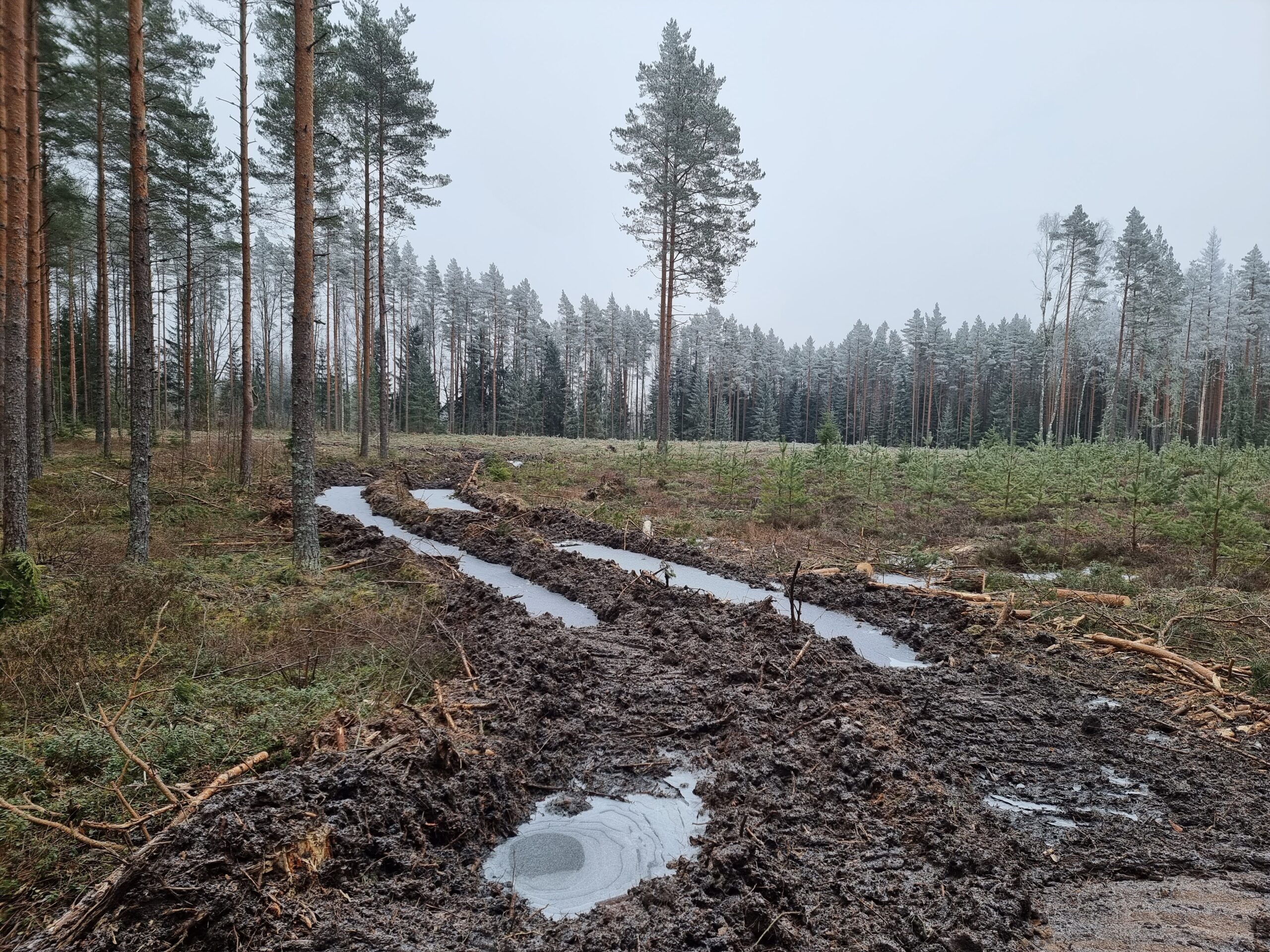
Rail Baltica, the ambitious railway project set to connect the Baltic states of Estonia, Latvia, and Lithuania as part of Europe’s modern rail network, promises to boost regional development and integration. However, despite assurances of habitat protection and compensation measures during the construction of Rail Baltica, recent revelations on clearcutting in protected areas have exposed longstanding issues with Estonian forests. The case also highlights the broader challenges faced by nature when economic development takes precedence and the need for proper environmental safeguards against economic interests.
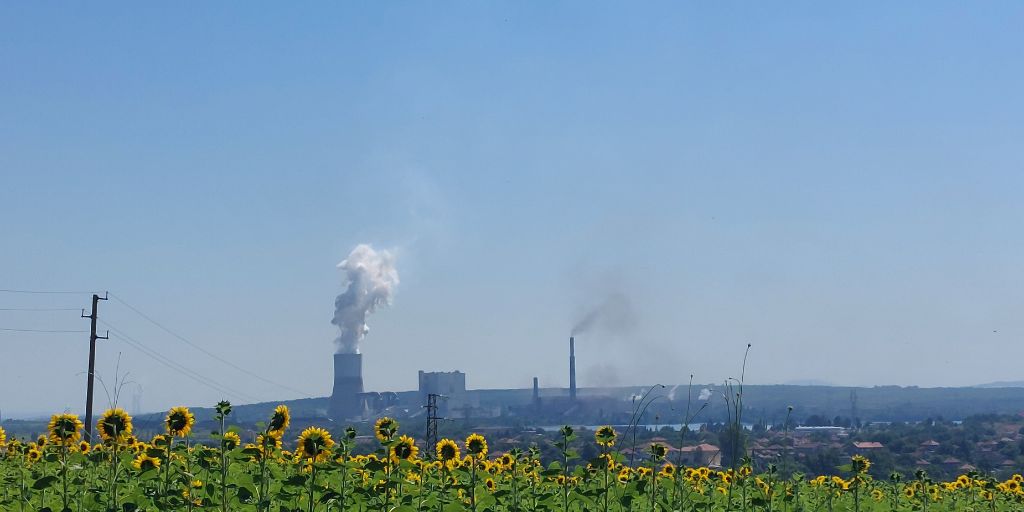
Following the money: Bulgaria
April 9, 2024 | Read more
This briefing provides an overview of the just transition envisioned in Bulgaria’s Territorial Just Transition Plan for the four regions designated to receive money from the Just Transition Fund.
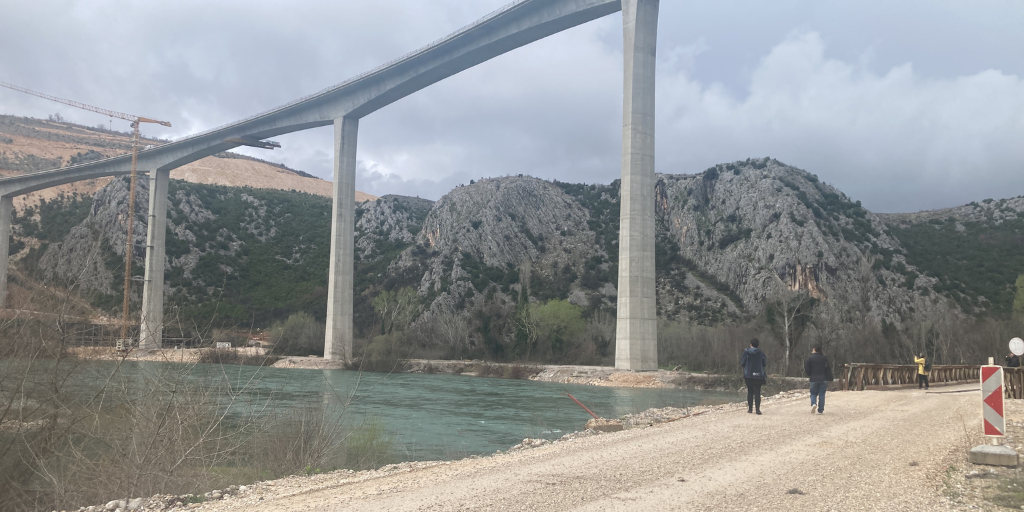
The European Commission and EU public banks must press for a revision of the Corridor Vc motorway route near Mostar in Bosnia and Herzegovina (BiH) if excessive environmental and social harm is to be avoided, finds a CEE Bankwatch Network report published today. (1)
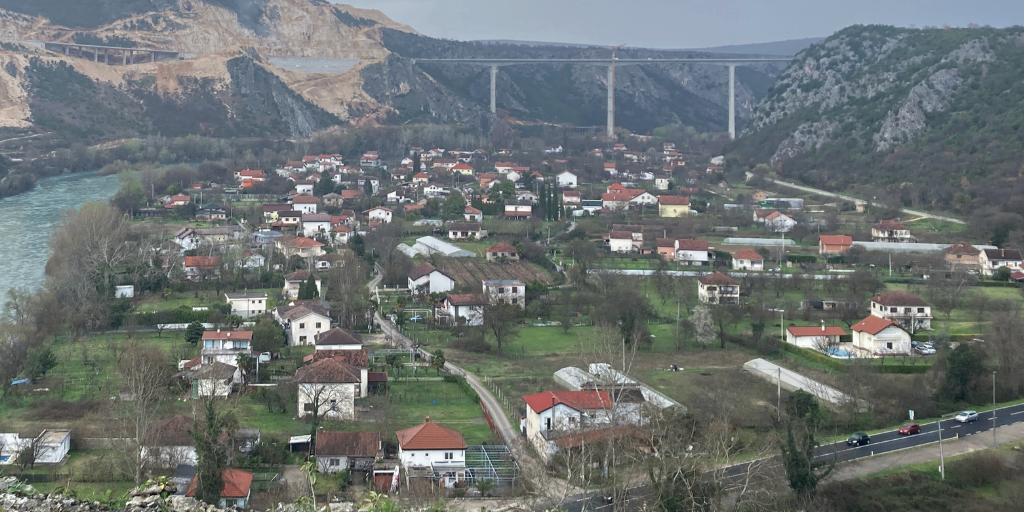
Based on a March 2024 site visit, this report examines two planned sections of the motorway– from Mostar South to the Kvanj Tunnel and from Konjic to Mostar, through the iconic Prenj mountain. It presents updated findings and underlines that it is crucial for the European Commission, EIB and EBRD to ensure that the route south of Mostar and via Prenj is re-examined and publicly consulted if they want to avoid many more years of delay.
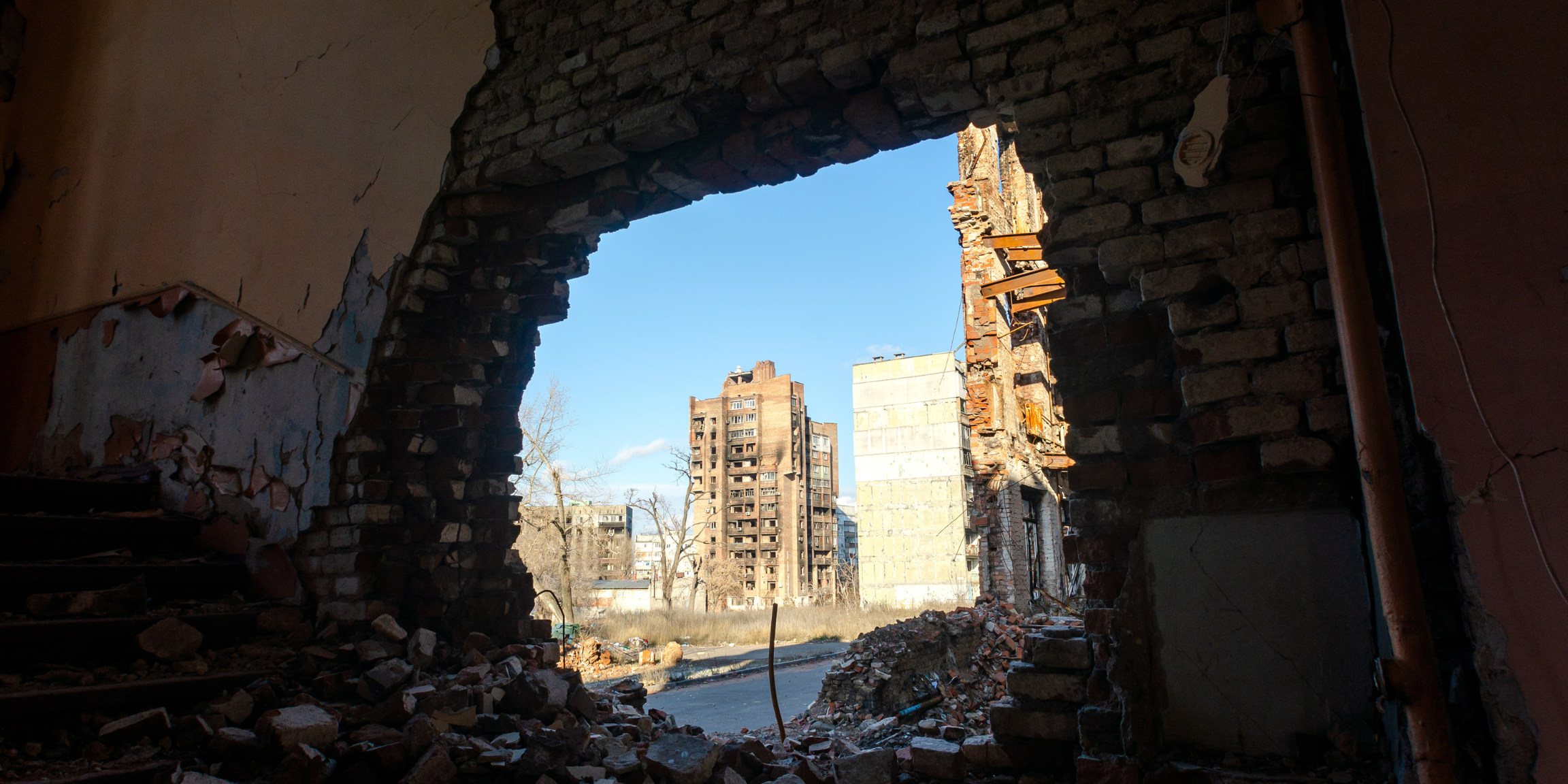
In 2014, decentralisation reforms were introduced in Ukraine to increase the country’s resilience, empower local communities, and transfer more decision-making power from the central government to the local level. These measures have significantly helped communities keep their heads above water and respond quickly to the challenges of Russia’s invasion.

