
Ukraine Reconstruction Campaigner
Email:Tel.:
Anna is Bankwatch’s Ukraine Reconstruction Campaigner, working on green reconstruction and environmental safeguards in Ukraine’s recovery. Her work focuses on alternative sources of energy for communities, energy resilience, and the alignment of Ukraine’s energy policy and public investment management system with EU standards. Originally from Kyiv, she holds an MSc in Environmental Sciences and Policy from Central European University and is based in Bratislava.
More from
Hydrogen in the EIB’s reviewed energy lending policy
June 28, 2023 | Read more
As the EIB reviews its Energy Lending Policy, Bankwatch and 33 other civil society groups, sent a joint letter o EIB Vice Presidents, to voice our concern about the over-emphasis on hydrogen which risks, among others, diverting renewable energy capacity – existing and planned – from the electricity grid and into the production of hydrogen for sectors that might not be playing a significant role in the energy transition.
The end of 2022 marked five years since new air pollution standards entered into force in the Western Balkans on 1 January 2018. Yet the deadly air pollution from the region’s mostly antiquated coal power plants has hardly decreased at all. In fact, in 2022 it increased compared to 2021 for all three regulated pollutants
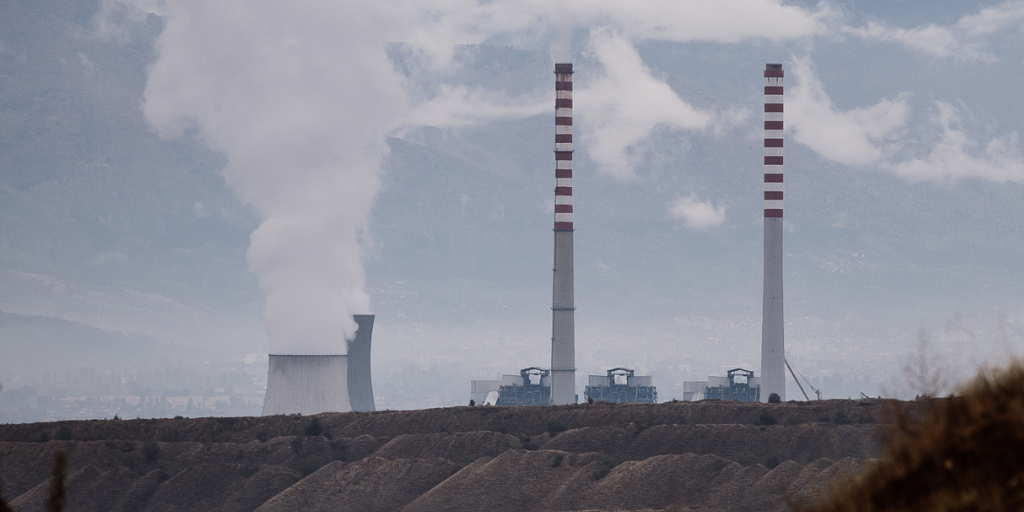
In 2022, deadly air pollution from the Western Balkans’ coal power plants increased compared to 2021, according to the fifth edition of Bankwatch’s Comply or Close report, published today (1). Emissions of all three regulated pollutants – sulphur dioxide (SO2), dust and nitrogen oxides (NOx) grew, and for the first time, the region’s overall limit for NOx was breached.

Hungary could escape the trap of fossil energy dependence with focused plans on energy transition and enhanced support for households.

In April 2023, Slovakia submitted a request to the European Commission to update its recovery and resilience plan, which involves the addition of an REPowerEU chapter. But although the plan includes appropriate measures to improve the energy efficiency of buildings, it still gives the ‘green light’ to fossil gas boilers and nuclear-derived hydrogen, while prioritising the profits of large companies over social facilities for older persons and other vulnerable groups.

