
Economic justice policy officer
Email:Tel.:
More from
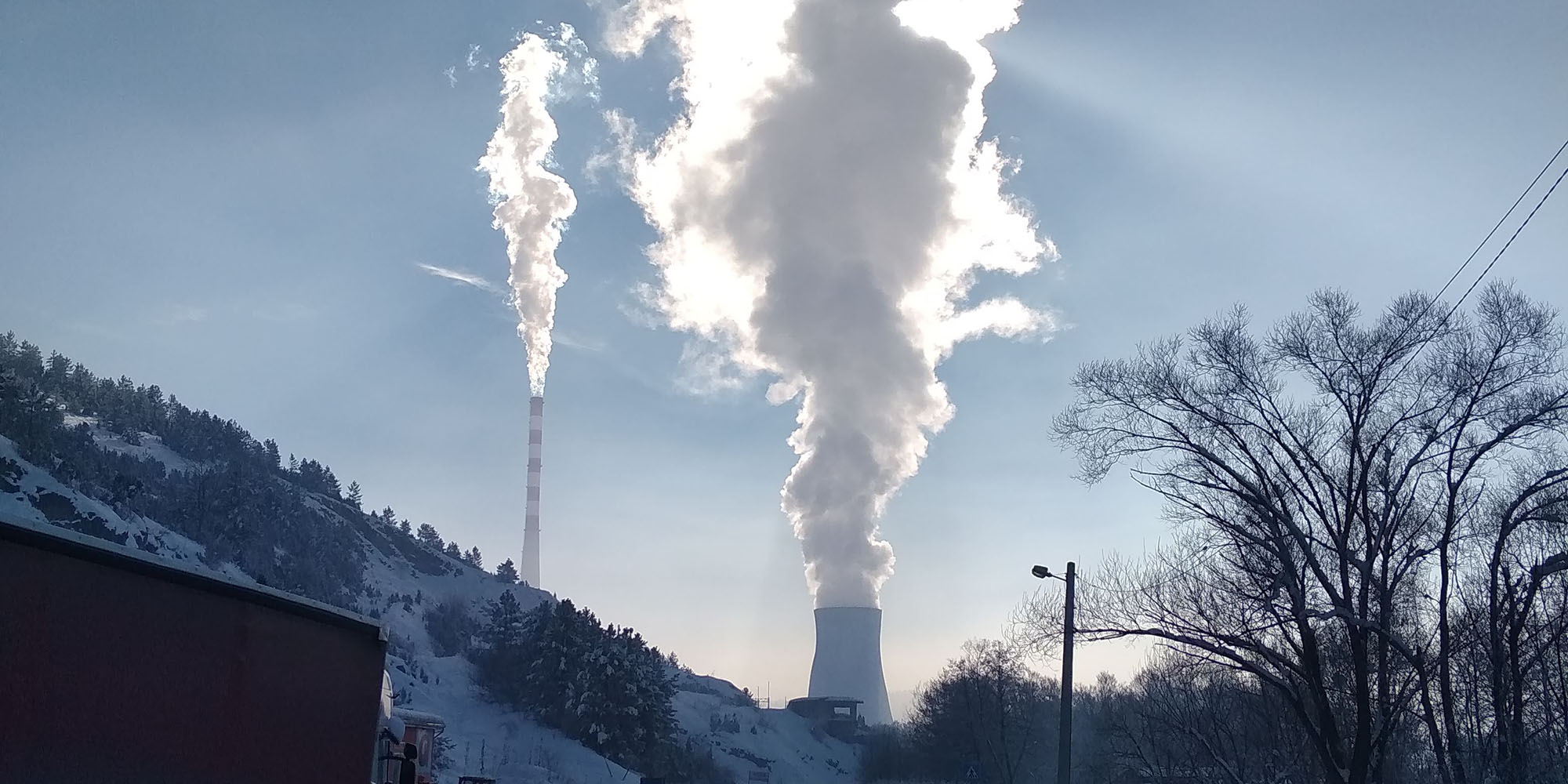
In 2018, pollution control legislation under the Energy Community Treaty finally obliged the Western Balkan countries to start reducing the choking air pollution from their coal power plants. Action was badly needed. In 2016, these 16 plants emitted as
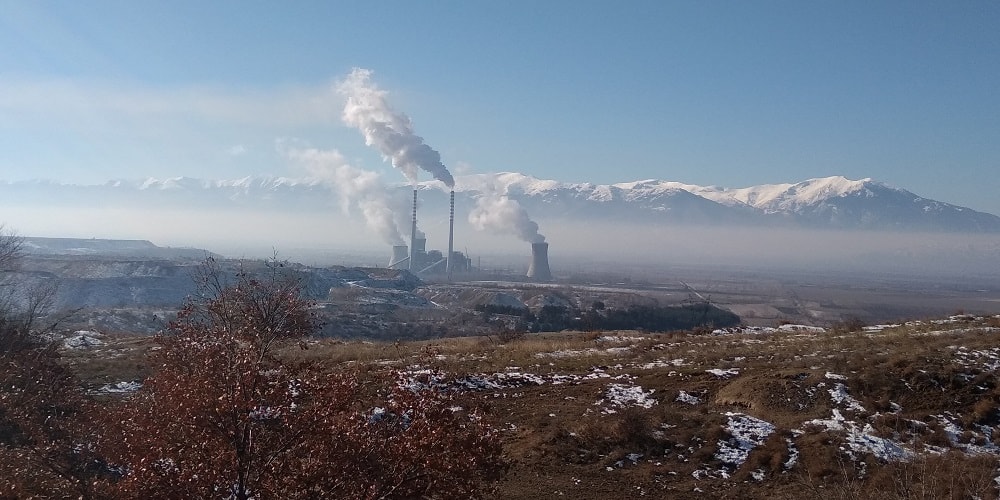
Two out of three scenarios in the country’s groundbreaking draft Energy Strategy foresee a coal exit by 2025 – excellent news in a country traditionally dominated by coal-fired electricity. But the Strategy’s plans for hydropower are unrealistic, writes Nevena Smilevska.

Nenskra: new players, new risks
December 4, 2019 | Read more
More than a year after Salini Impregilo, a major construction company, mysteriously abandoned the Nenskra hydropower project before construction had even begun, new contractors are now said to have been hired to build Georgia’s biggest and most divisive hydropower project.
The Belgrade solid waste public-private partnership (PPP) has been plagued by legal irregularities and circumvented binding decision-making processes, finds a new analysis published today by CEE Bankwatch Network, Counter Balance and Zero Waste Europe.

Slovene bank NLB’s offer of a loan for the construction of the controversial Tuzla 7 coal power plant in Bosnia and Herzegovina poses serious risks to the bank and its shareholders due to a slew of legal and economic issues around the project, warned a group of non-governmental organisations in a letter to the bank today (1).