Economic justice policy officer
Email:Tel.:
More from
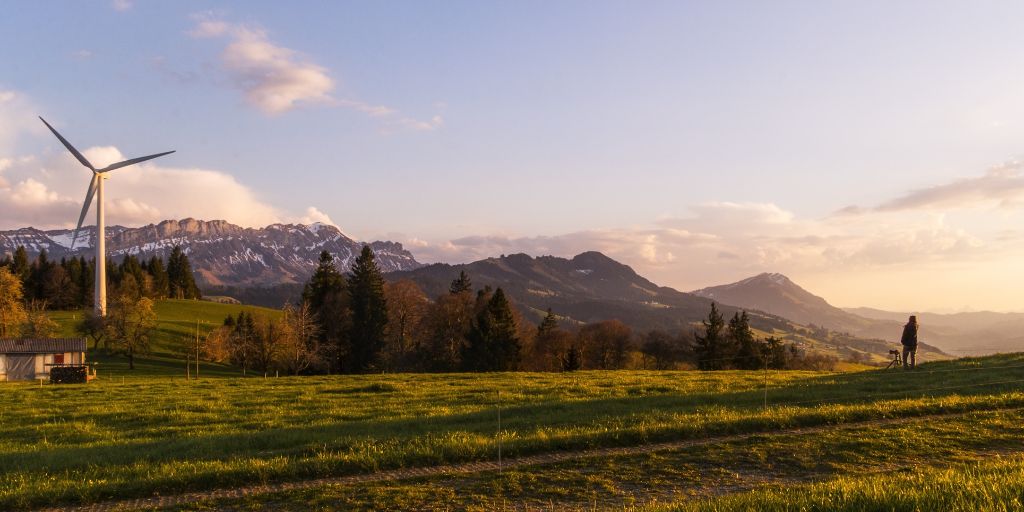
The following report shows how seven central and eastern European (CEE) countries are approaching the NECP revision and details how the context has changed since the initial NECPs were prepared in 2018 and 2019.
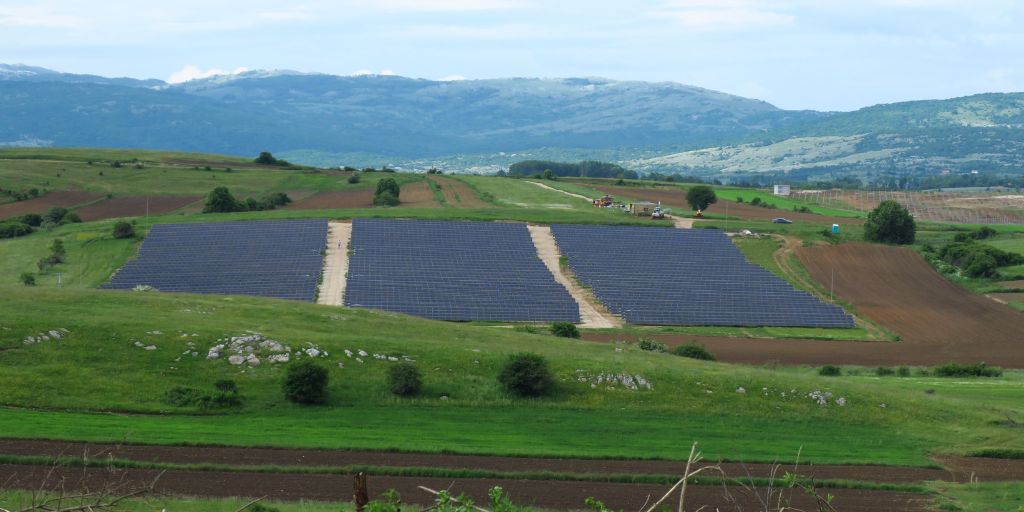
In the decade leading up to 2020, the Western Balkans’ energy transition got off to a poor start, with governments limiting wind and solar investments and instead incentivising a small hydropower boom, which has damaged pristine rivers and streams across the region.
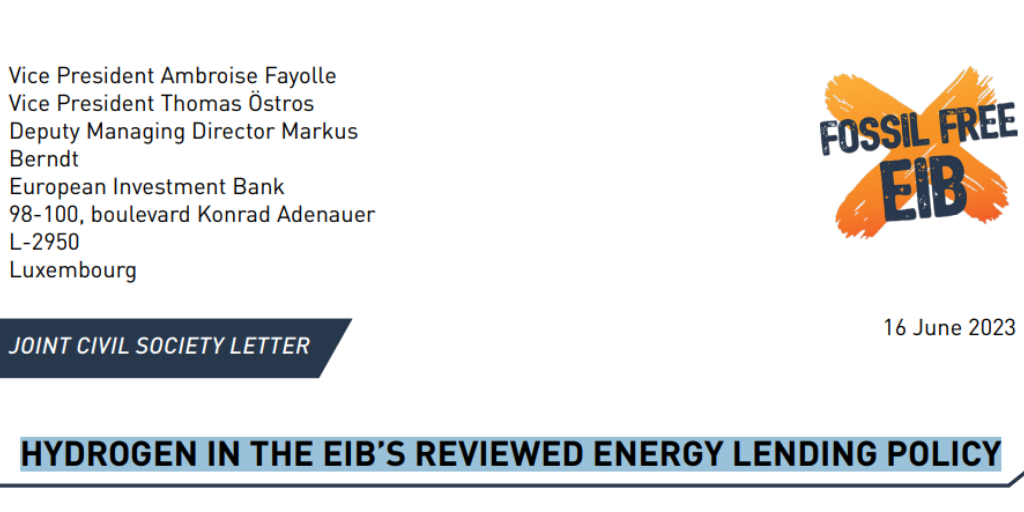
Hydrogen in the EIB’s reviewed energy lending policy
June 28, 2023 | Read more
As the EIB reviews its Energy Lending Policy, Bankwatch and 33 other civil society groups, sent a joint letter o EIB Vice Presidents, to voice our concern about the over-emphasis on hydrogen which risks, among others, diverting renewable energy capacity – existing and planned – from the electricity grid and into the production of hydrogen for sectors that might not be playing a significant role in the energy transition.
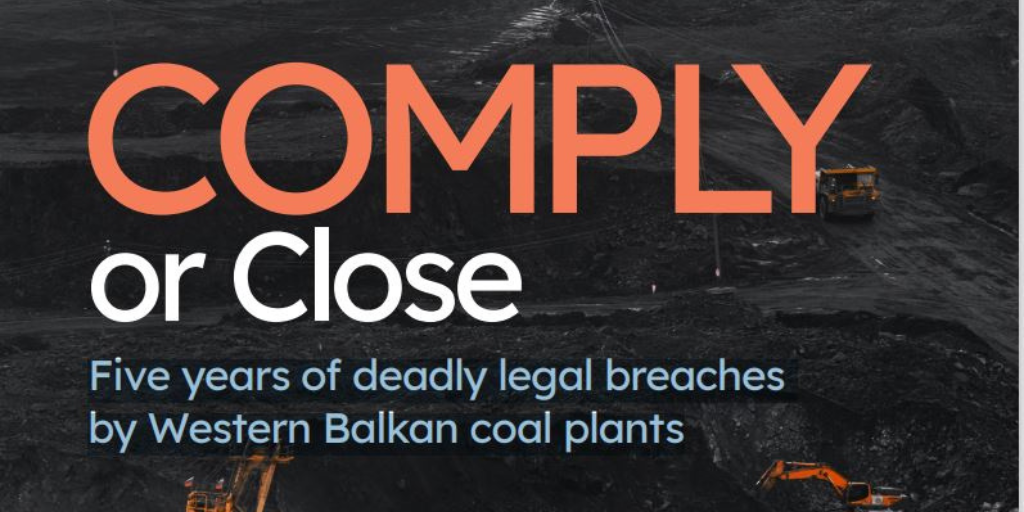
The end of 2022 marked five years since new air pollution standards entered into force in the Western Balkans on 1 January 2018. Yet the deadly air pollution from the region’s mostly antiquated coal power plants has hardly decreased at all. In fact, in 2022 it increased compared to 2021 for all three regulated pollutants
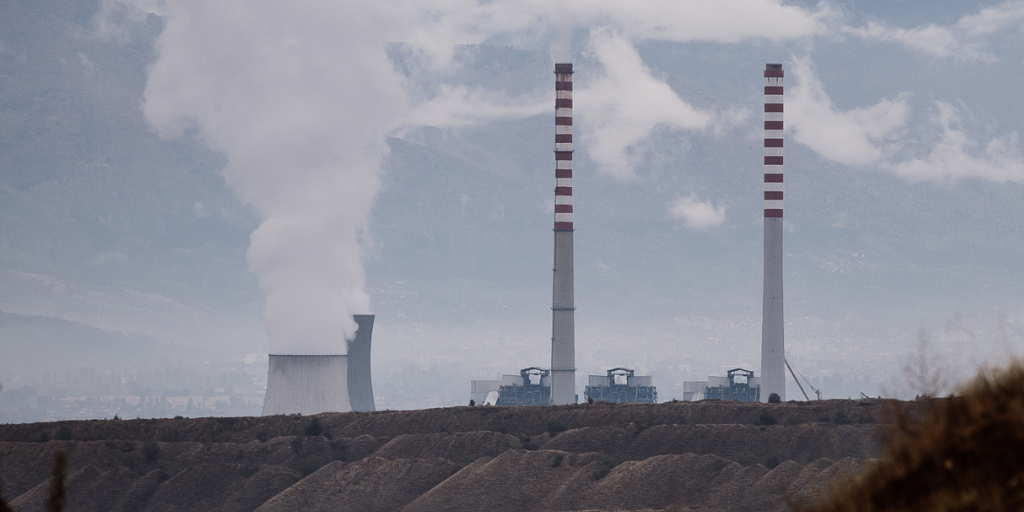
In 2022, deadly air pollution from the Western Balkans’ coal power plants increased compared to 2021, according to the fifth edition of Bankwatch’s Comply or Close report, published today (1). Emissions of all three regulated pollutants – sulphur dioxide (SO2), dust and nitrogen oxides (NOx) grew, and for the first time, the region’s overall limit for NOx was breached.

