
Heating sector decarbonisation campaigner for the Western Balkans
Email:Tel.:
More from Natasa Kovacevic
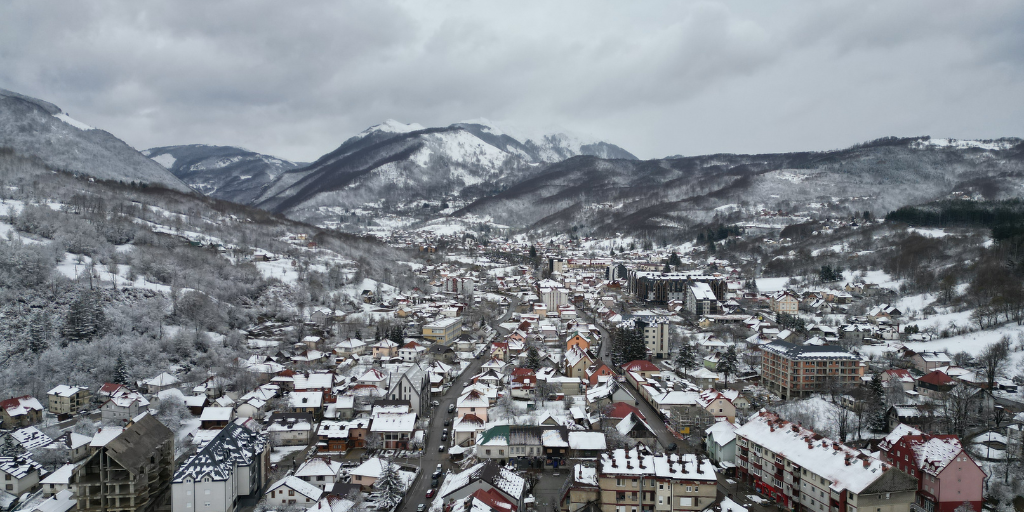
Located below the Bjelasica mountain in northern Montenegro, the town of Kolašin is experiencing a rapid transformation. The expansion of the local ski resort, which attracted around 80,000 visitors during the 2025/2026 winter season, is accelerating tourism growth and new construction. As the town grows, local authorities face a critical challenge – ensuring that new heating infrastructure supports sustainable renewable solutions and avoids locking the town into fossil fuel-based systems for decades.

The current situation among district heating companies in Serbia provides a timely warning for Western Balkan governments still betting on new fossil gas infrastructure. In recent years, these governments have shown renewed interest in building new gas infrastructure. Many projects have been on the table for years, but new schemes are also being actively promoted by the United States.
The following recommendations outline the steps required to advance the decarbonisation of district heating systems, enhance waste management practices and support the development of a truly circular economy.
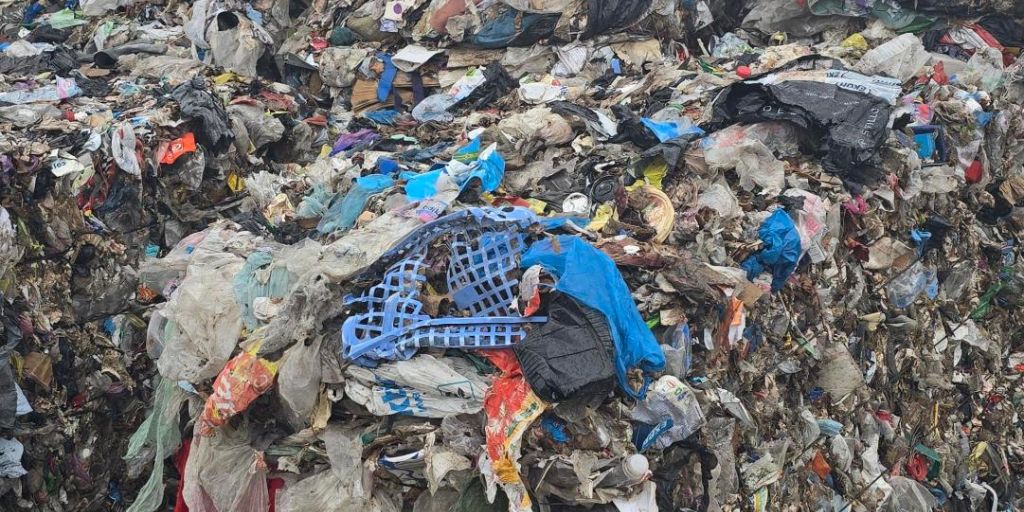
While Western Balkan governments scramble to solve their energy and waste crises by turning to incineration, a clear lesson is emerging from the EU: burning waste is a dead end.
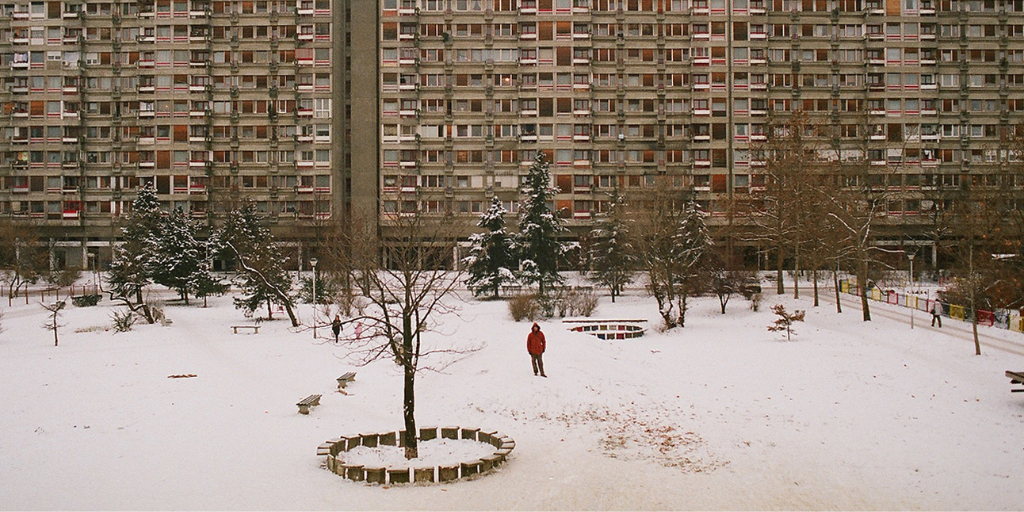
Serbia’s district heating sector is facing an unprecedented crisis, driven by an overreliance on imported fossil fuels – particularly fossil gas – and an inability to control energy prices. This dependence puts the sector at a significant risk of collapse in the coming years, threatening the basic heating needs of millions of citizens. It also underscores the urgent need for the Serbian government to diversify the district heating system by integrating sustainable renewable energy sources.

