When nature shows the way
Supporting biodiversity in Europe
Tackling biodiversity loss has long been neglected, and as a result, nature across Europe is now in an alarming state. Nature restoration provides a cost-effective way to address the biodiversity crisis. It also offers enormous potential to tackle climate change, and deliver environmental, social and economic benefits.
Although the European Union recognises the importance of conserving and restoring nature through the European Green Deal objectives and, most recently the Nature Restoration Law, sufficient financing for such projects is woefully lacking. Our recent report reveals some of the key barriers holding back financing for nature.
The following cases demonstrate some of the many ways EU funds can and should be used to support nature restoration and conservation projects. These are instrumental to address the biodiversity crisis across sectors while also building a greener, fairer future.
LIFE for nature: Why Europe’s flagship environmental programme must remain part of the next EU budget
Led by nature: Projects to protect and restore biodiversity in Europe
Currently, financial allocations earmarked for nature restoration and conservation measures remain low and the available EU funding for Member States to address biodiversity loss is not being taken advantage of.
These case studies from several European Member States show ways EU funds can be used to support nature restoration and conservation projects.
Unlocking nature financing: National cost estimates for effective nature restoration
Two years after the adoption of the Nature Restoration Regulation, EU Member States are now working on their national restoration plans. One element will be crucial for their successful implementation: adequate funding.
To support national planning, CEE Bankwatch Network and EuroNatur, in cooperation with national partners, led a study in five Member States – Poland, Estonia, Latvia, Hungary and Croatia – to estimate financing needs for effective nature restoration.
When nature shows the way: Supporting biodiversity for Europe’s green recovery
The following cases demonstrate just some of the many ways EU funds can and should be used to build a greener, fairer future. By investing strategically in nature we can both ensure a swift and resilient economic recovery that works for the environment and fully realise climate and biodiversity objectives.
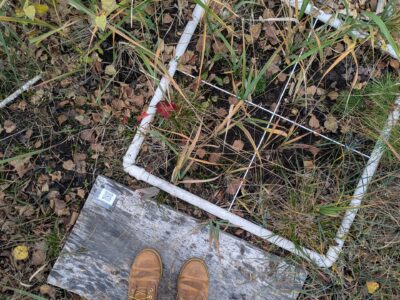
Engaging the public in nature restoration: Estonia’s citizen-science approach blazes a trail
The WaterLANDS project aims to restore a total of 10,500 hectares of degraded wetlands across Europe. In Estonia, the focus is on 3,500 hectares in Pärnu County, including improving the condition of drained forests within Kikepera Nature Reserve. Beyond ecological restoration, community engagement is a central component of the project.
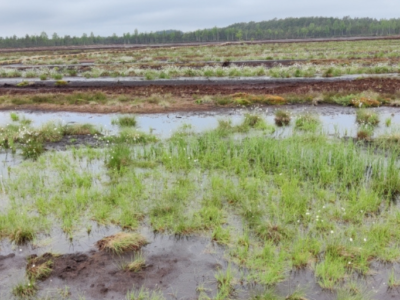
From drainage to restoration: A new chapter for Estonia’s wetlands
Mires are wetlands characterised by a thick layer of continuously accumulating peat. These vital ecosystems help to maintain biodiversity, sequester carbon, and regulate water levels across the landscape.
In Estonia, drained peatlands are a major source of greenhouse gas emissions and thus exacerbate climate change. Our case study highlights the success of a project aimed at restoring the water regime of a mire ecosystem, leading to a remarkable growth in vegetation and the recovery of multiple species.
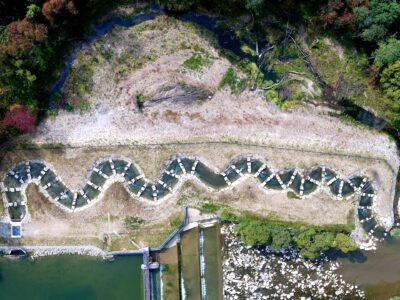
The Wisłoka: Overcoming barriers on a Polish river
The Wisłoka, a river in south-eastern Poland, used to be a habitat and breeding ground for migratory fish. But the construction of barrages and channel regulation works along the river have led to the extinction of many fish species.
This case study highlights a project that installed carefully-designed fish passes, allowing aquatic organisms to swim freely once again.
Protecting the biodiversity of Estonia’s agricultural landscapes
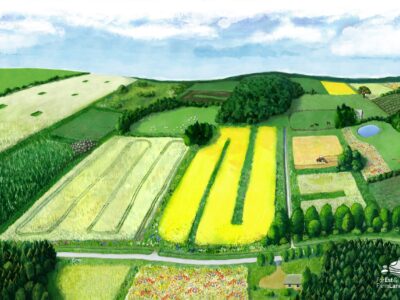
This case study focuses on the biodiversity of agricultural landscapes. Launched in 2020, the LIFE-IP ForEst&FarmLand project is dedicated to the comprehensive management of Estonia’s forest and farming landscapes. Its aims are to improve the conservation status of Estonia’s Natura 2000 habitats and species, and to protect and restore its ecosystems and landscapes.
A truly nature friendly investment – support for the development of Blooming meadows
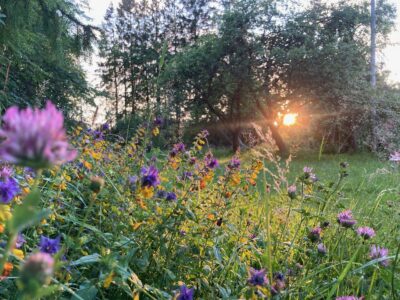
The case focuses on the LIFE integrated LatViaNature project ‘Blooming meadows’, which aims to gradually increase biodiversity in potentially biologically valuable grasslands that have not been ploughed for some time and where the characteristics of natural grasslands have started to return. The goal is to help the grasslands to achieve the status of an EU protected habitat, which would allow the manager of the grasslands to receive continuous support from the Common Agriculture Policy funding in the future.
The Tisza–Túr reservoir: restoring habitats to help farmers adapt to floods and drought
For centuries, people have had to drain excess rain and flood-water from agricultural areas as quickly as possible to be able to grow more crops. On the other hand, with the diminishing summer rains, retaining water is just as important. The region located close to the Túr estuary in north-east Hungary is currently changing their approach to water management to be prepared for the threat of drought.
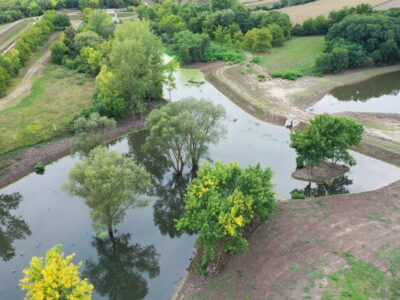
This case study demonstrates the Tisza–Túr flood reservoir which uses controlled flooding and draining methods, and serves the dual purpose of preventing both floods and drought.