
As the global biodiversity crisis grows ever more urgent, the European Bank for Reconstruction and Development’s (EBRD) environmental policy and practice is proving insufficient to prevent harm to nature, let alone allow its restoration. The Bank’s review of its environmental and social policy in the coming months must provide a proportionate response to the scale of the problem.
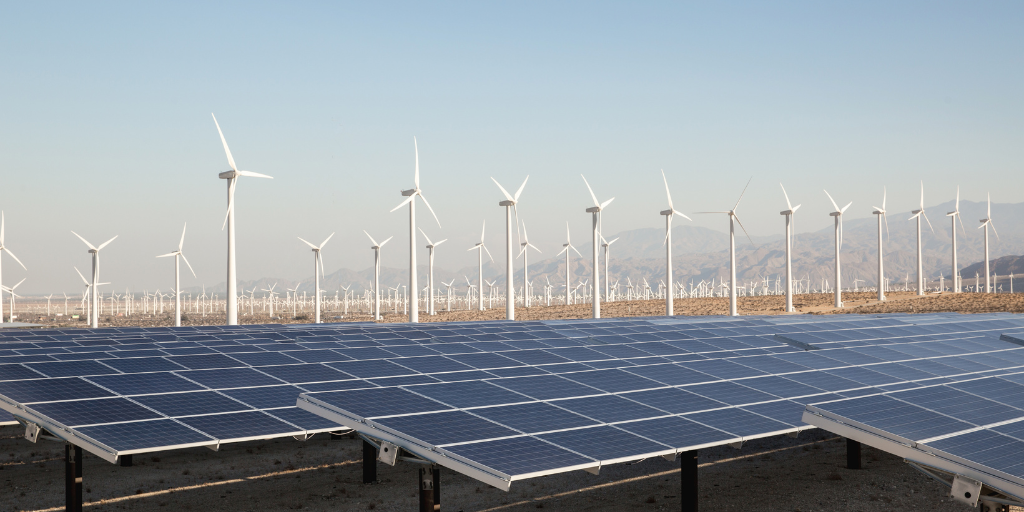
Why we’re taking legal action on renewables permitting
September 22, 2023 | Read more
It might seem counterintuitive for organisations that promote a sustainable energy transition to challenge EU initiatives to speed up renewable energy deployment. But due to undemocratic decisions that undermine environmental safeguards and public participation, that’s what we’ve been compelled to do.
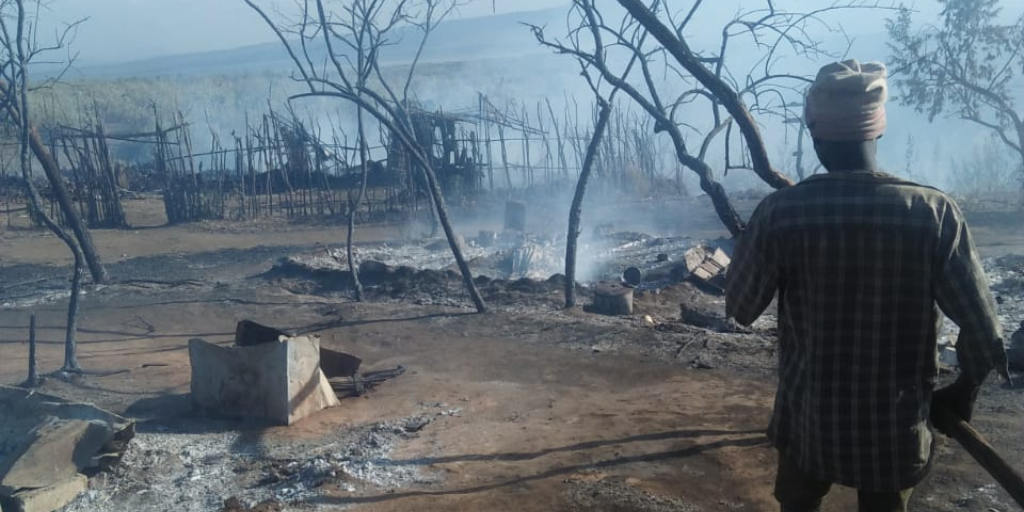
On 4 to 6 September, the world’s public development banks will gather for the Finance in Common Summit in Cartagena, Colombia. They’ll be discussing key development issues – from climate change to infrastructure – issues that affect the lives of millions of people around the world. Bankwatch is on the ground to expose the adverse impacts of investments made by development banks and advocates for meaningful community participation in decision-making on development projects.

A measure intended to replace Romania’s coal-fired plants with highly efficient combined heat and power (CHP) for use in district heating systems is slated for funding under Romania’s national recovery and resilience plan.

In stark contradiction with the urgent need and ambitious measures taken to end Europe’s dependence on fossil fuels, the Bulgarian government is working to join a fossil gas prospecting project in the Black Sea.

Despite months of preparatory negotiations between the Hungarian government and the European Commission, the Hungarian public has only two weeks in August to participate in the public consultation on the extensive 67-page draft REPowerEU chapter before it’s submitted to the European Commission by 31 August.