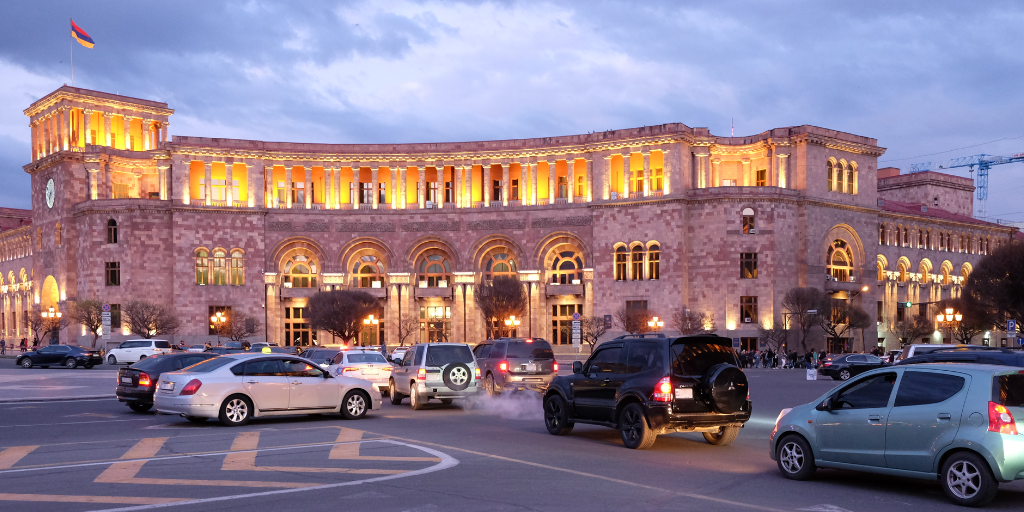
In May 2023, a massive fire broke out at the Nubarashen landfill on the outskirts of Yerevan, enveloping the city in a cloud of toxic smoke generated by the burning waste. It took 10 days and 2,300 truckloads of soil to extinguish the flames. Coming seven years after Yerevan became a pioneer by joining the European Bank for Reconstruction and Development (EBRD)’s Green Cities initiative, this incident is a stark reminder of the urgent need to adopt a safer and more sustainable approach to waste management and urban planning.
The EU’s Multiannual Financial Framework 2021-2027 offers a unique opportunity to use public finances to accelerate the energy transition. But to succeed, this transition must be inclusive, equitable and citizen-centred.

Most EU countries missed the deadline to submit additional REPowerEU chapters to national recovery and resilience plans on time, including Latvia, where few details about the reasons for the delay have emerged. Here are some ideas on how Latvia can make the best use of EU funds to help decarbonise its energy system and support its citizens.
The European Investment Bank (EIB) made history with its decision to stop financing fossil fuel energy from 2022 onwards. By adopting the PATH Framework in October 2021, it seemed the EIB had finally set the conditions requiring its clients to disclose information on their corporate-level emissions, as well as decarbonisation plans. But a year later, it made a U-turn.
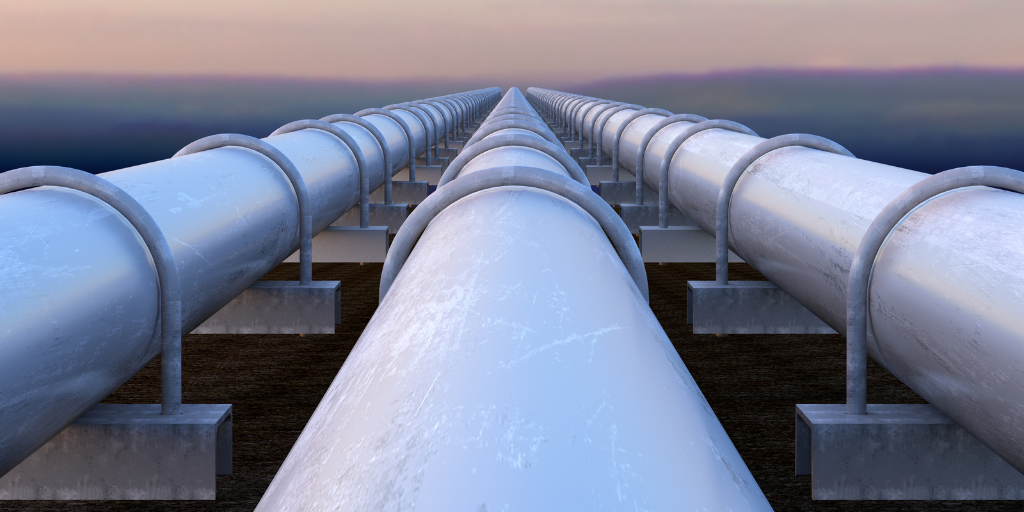
Using EU funds, the Czech government plans to provide EUR 114 million for the expansion of the Transalpine (TAL) oil pipeline, which links the Italian port of Trieste with refineries in Austria, Germany and the Czech Republic. The project raises concerns about its compliance with EU legislation as well as its environmental and economic sustainability.
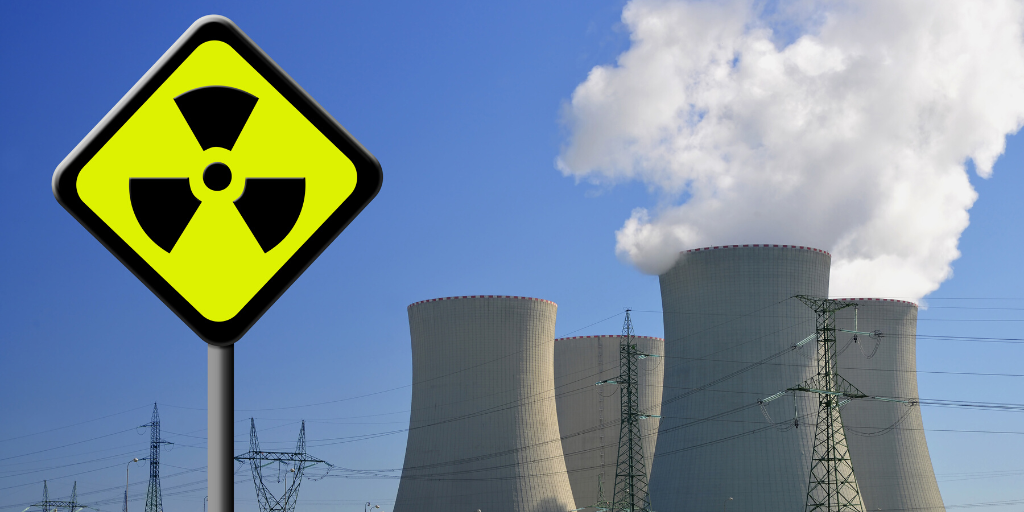
The Estonian government is considering pumping money into controversial nuclear power. Instead, it should strengthen its efforts to ensure a resilient, fully renewable and decentralised energy infrastructure.

