
National Recovery and Resilience Plans have to be submitted to the European Commission by 30 April, 2021. Yet less than two months before the deadline, the latest updates from the Romanian and Latvian recovery plans raise alarm on public participation and on unambitious climate and energy targets.
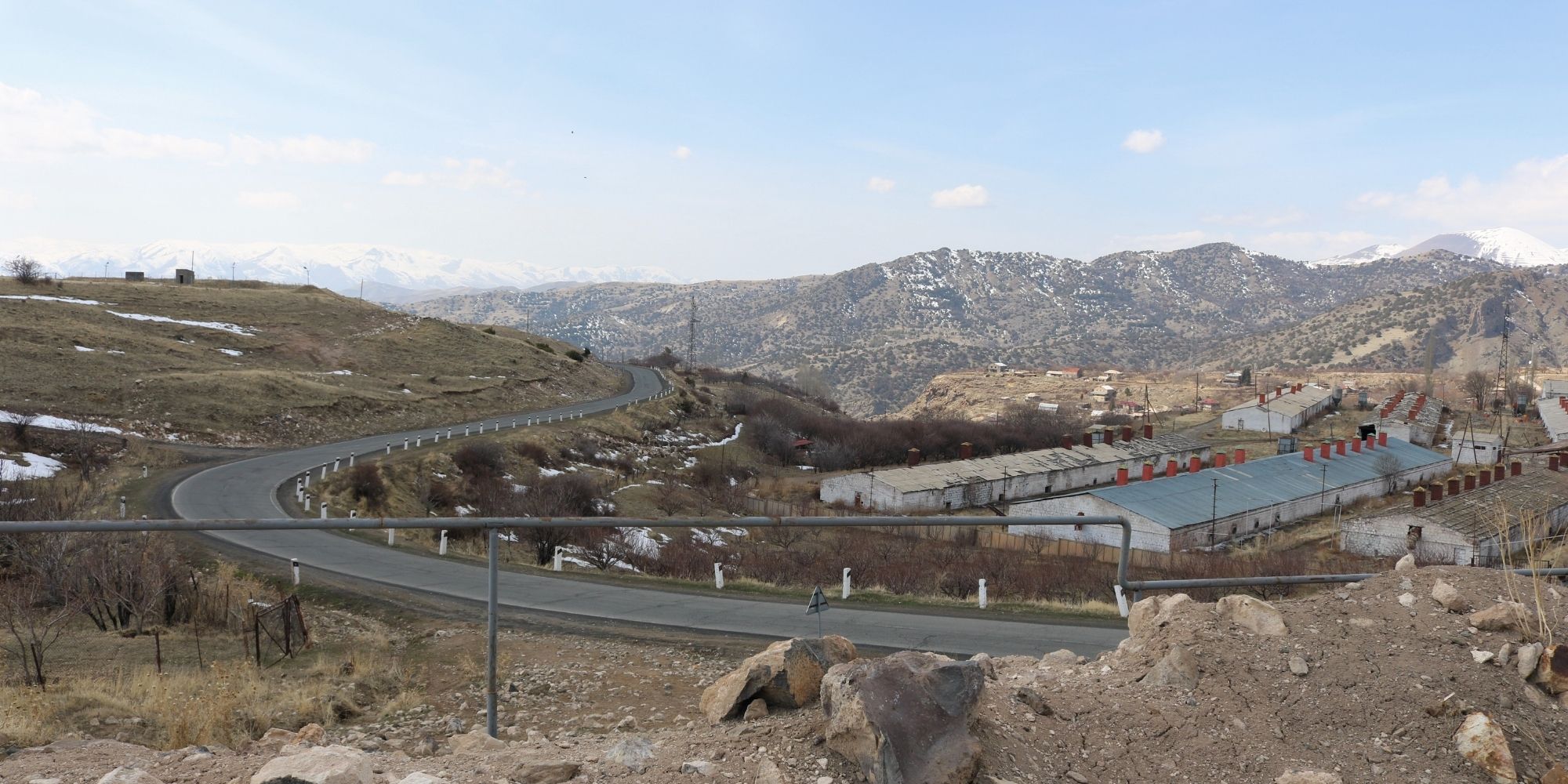
As the unfolding political crisis engulfs the streets of Yerevan, recent developments at the Bern Convention and EBRD portent a rocky future for the Amulsar project.

Promoting gender rights and women’s empowerment has become a trend among multilateral development banks (MDBs). Organising discussions on best practices and promoting gender-related issues is welcome, but it is crucial that banks ensure meaningful protection and support to the women most affected by international public investments.
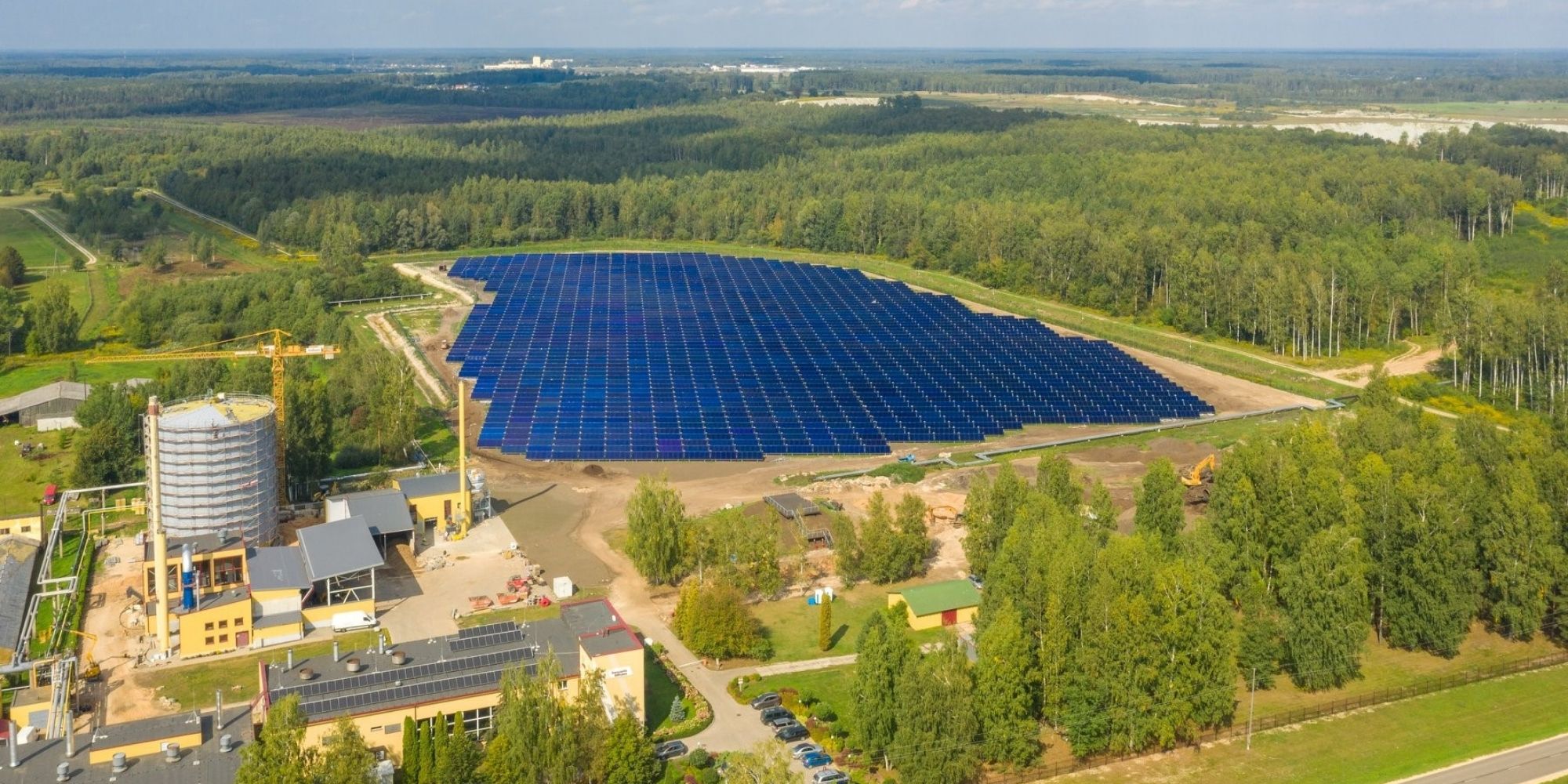
District Heating is an efficient way to heat homes, particularly in a country like Latvia where 58% of its primary energy consumption is used for heating. But Selīna Vancāne at Riga City Council is very concerned that the draft EU Recovery plans do not include any support under the climate goals for district heating projects. Perhaps it’s because of a blind spot: most of Europe is prioritising individual heating units powered by electricity. Meanwhile, Latvia is tacking the issue of fuel sources for district heating. There’s gas (not clean, must be imported from Russia), woodchips (plenty of local supply, but has sustainability limits), and much better solutions like solar. Vancāne offers the case study of Salaspils Siltums, built in 6 months, which provides solar district heating to 85% of a town of 18,000 people. She urges the EU to fund both district heating and the new clean solutions it can use. The results can be cost effective, sustainable, efficient and curb emissions.
The EIB’s lending through intermediary banks is often claimed to be confidential. But this is public money, and the bank’s peers are increasingly doing better. As the EIB reviews its Transparency Policy, it’s high time to up its game.

The right to access information: Transparency is a two-way process
February 24, 2021 | Read more
Publish What You Fund’s DFI Transparency Initiative is finalising its latest working paper on environmental, social and governance (ESG) and accountability to communities. Ahead of its publication, Fran Witt (Economic Justice and Climate Change Consultant) and Fidanka Bacheva-McGrath (EBRD Policy Officer, Bankwatch) provide a CSO perspective on the transparency and accountability challenges for public development banks (PDBs). They argue that PDBs have much work to do in order to meet their commitments to the rights of project-affected communities.

