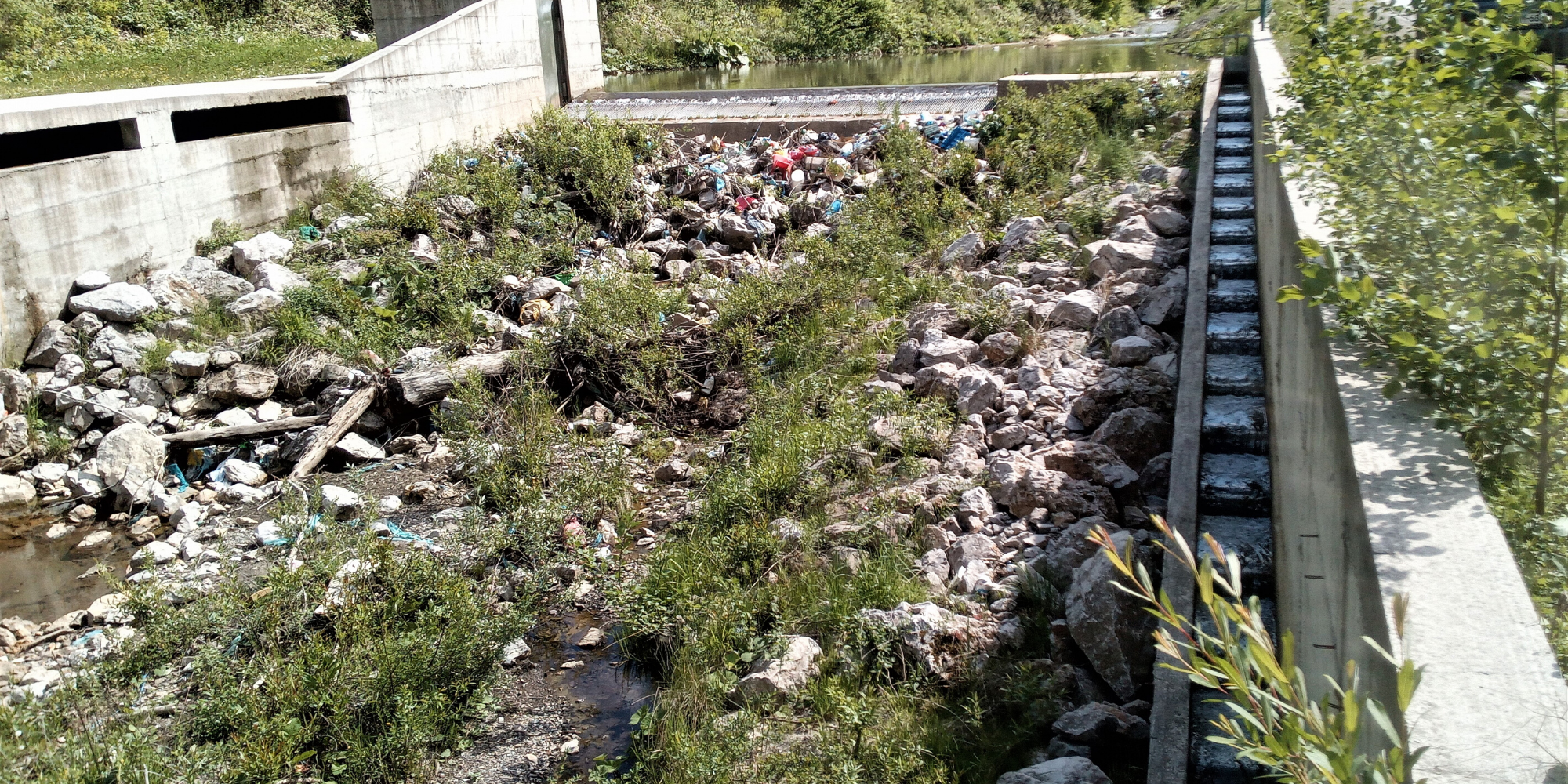
Prompted by widespread public resistance to small hydropower plants in the Western Balkans, the Energy Community Secretariat has recently been consulting the public on guidelines for the proper application of environmental and State aid legislation in such cases. Bankwatch’s input highlights a plethora of common deficiencies that need to be addressed.
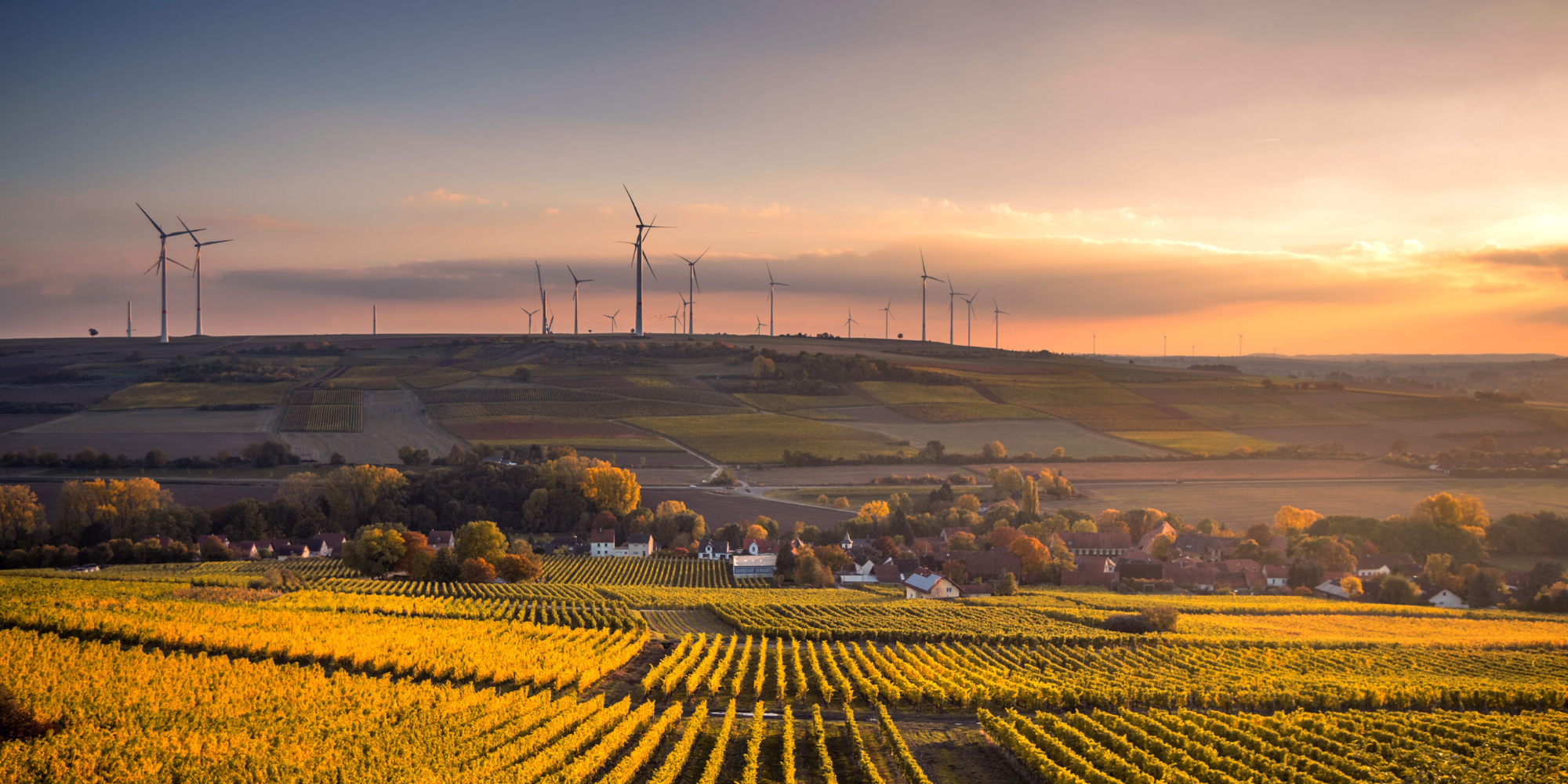
Like many other financial institutions, the European Bank for Reconstruction and Development (EBRD) has responded to the call to join the global effort to tackle the climate crisis. And yet, over the past decade, while growing its support for renewable energy, the bank has continued to hand out public money to the fossil fuels industry.
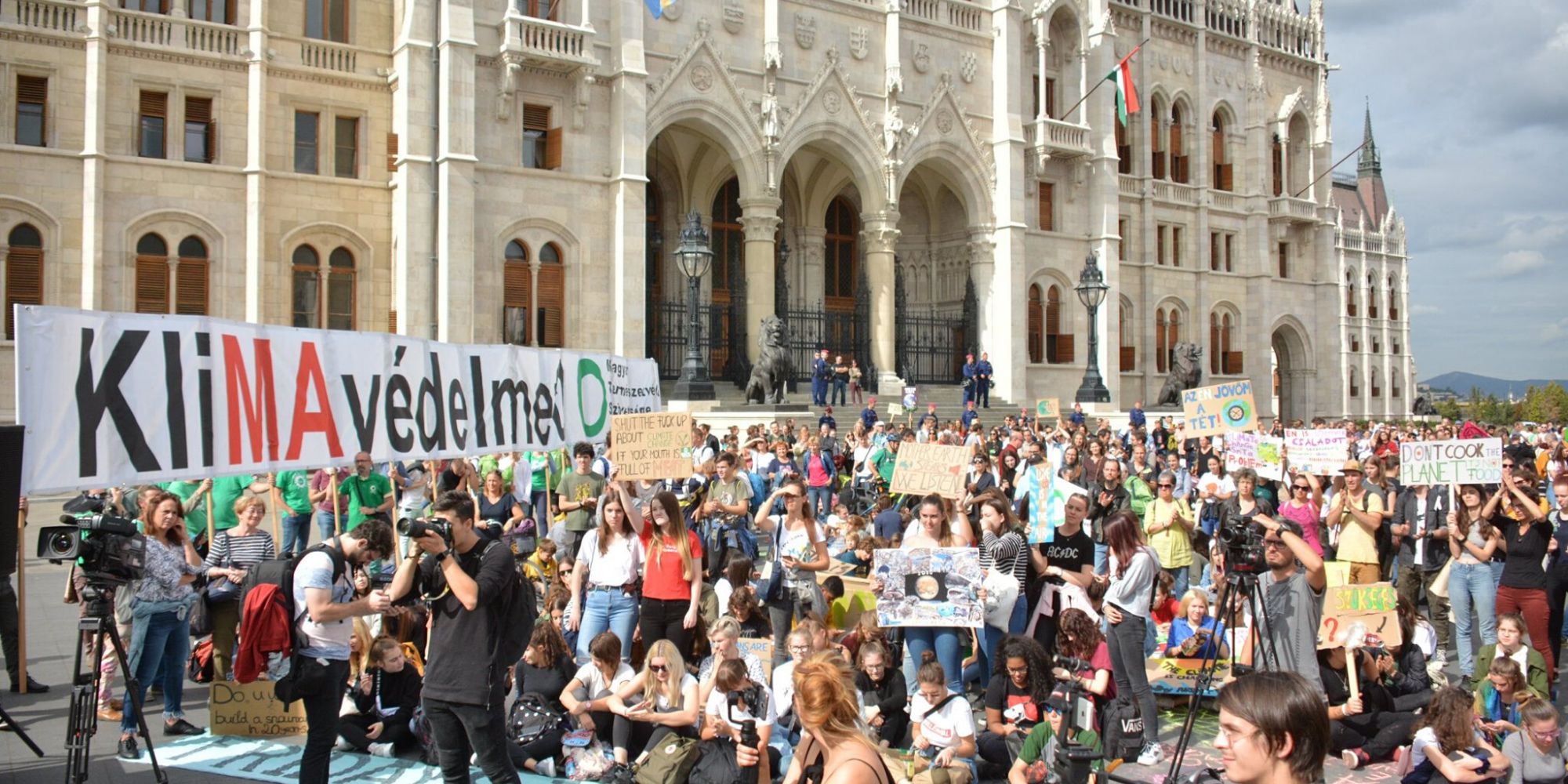
To achieve a green recovery with EU funds, what depends on CEE Member States and what depends on the EU?
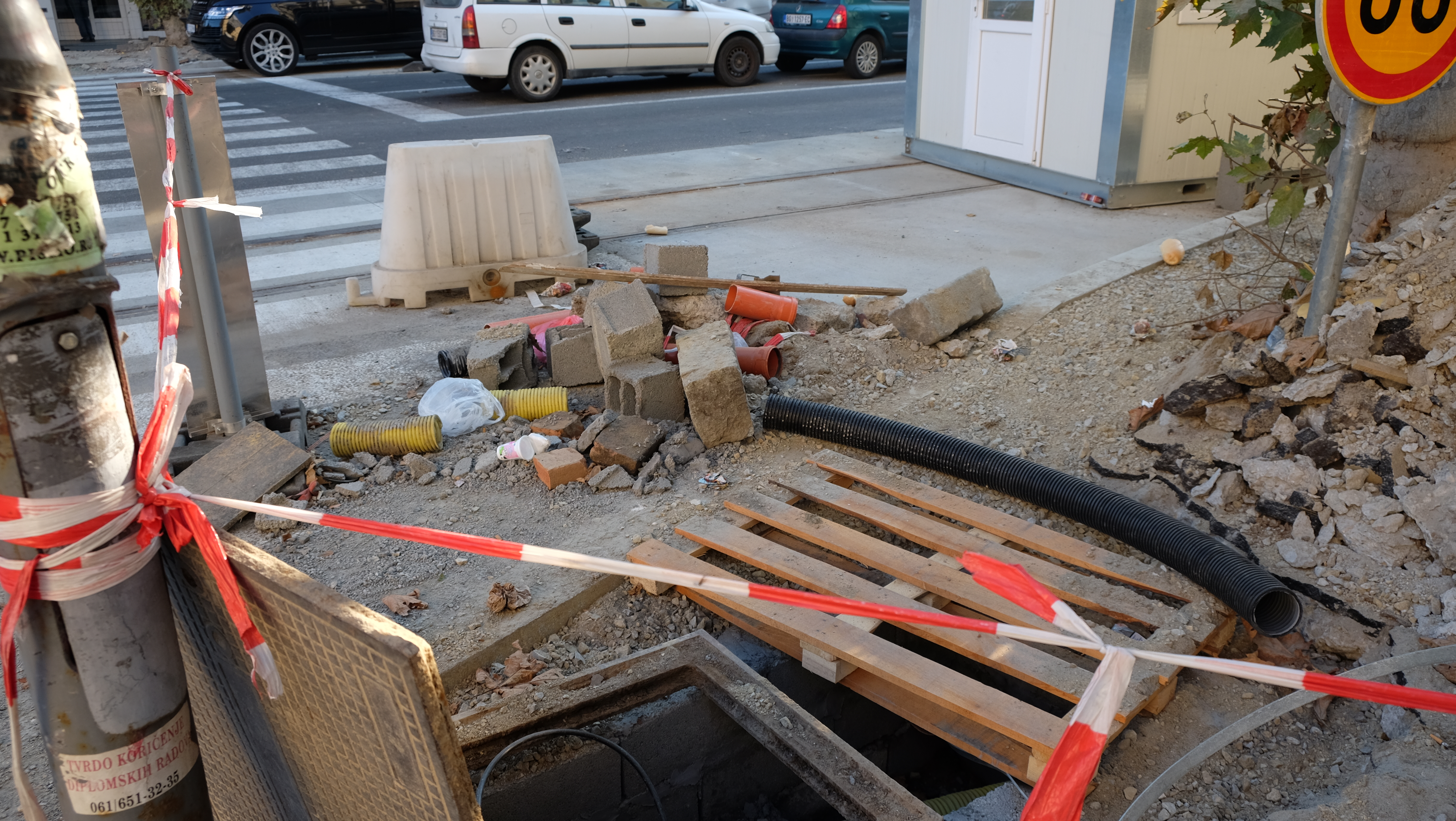
Cities for citizens
June 15, 2020 | Read more
To modernise and green our cities, we need good governance first.
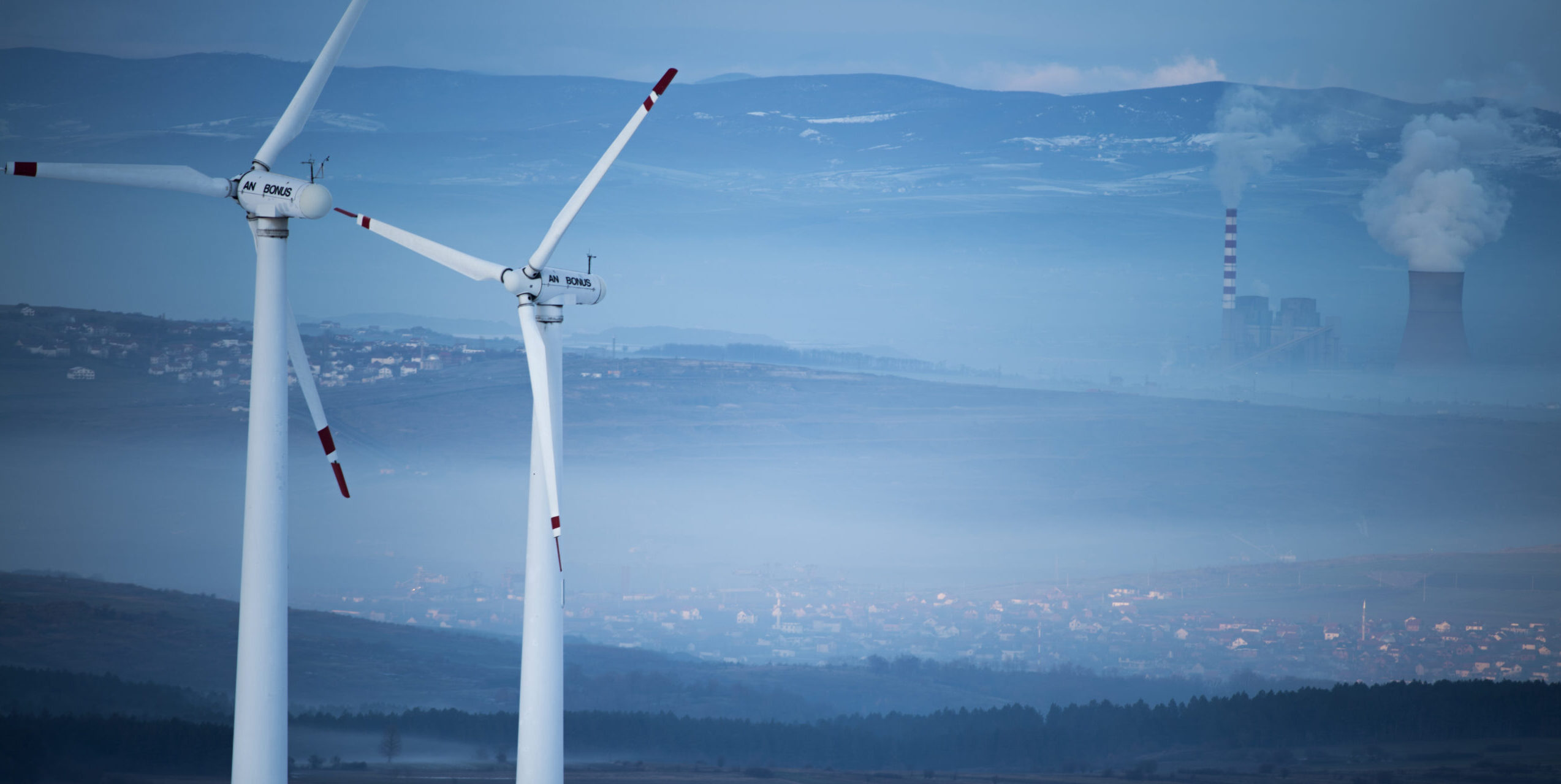
Despite this deadly legacy, just two years ago, all the Western Balkan countries except Albania still planned to build new coal power plants. Since then, three out of five have abandoned these plans. The region has split, creating a two-speed energy transition.
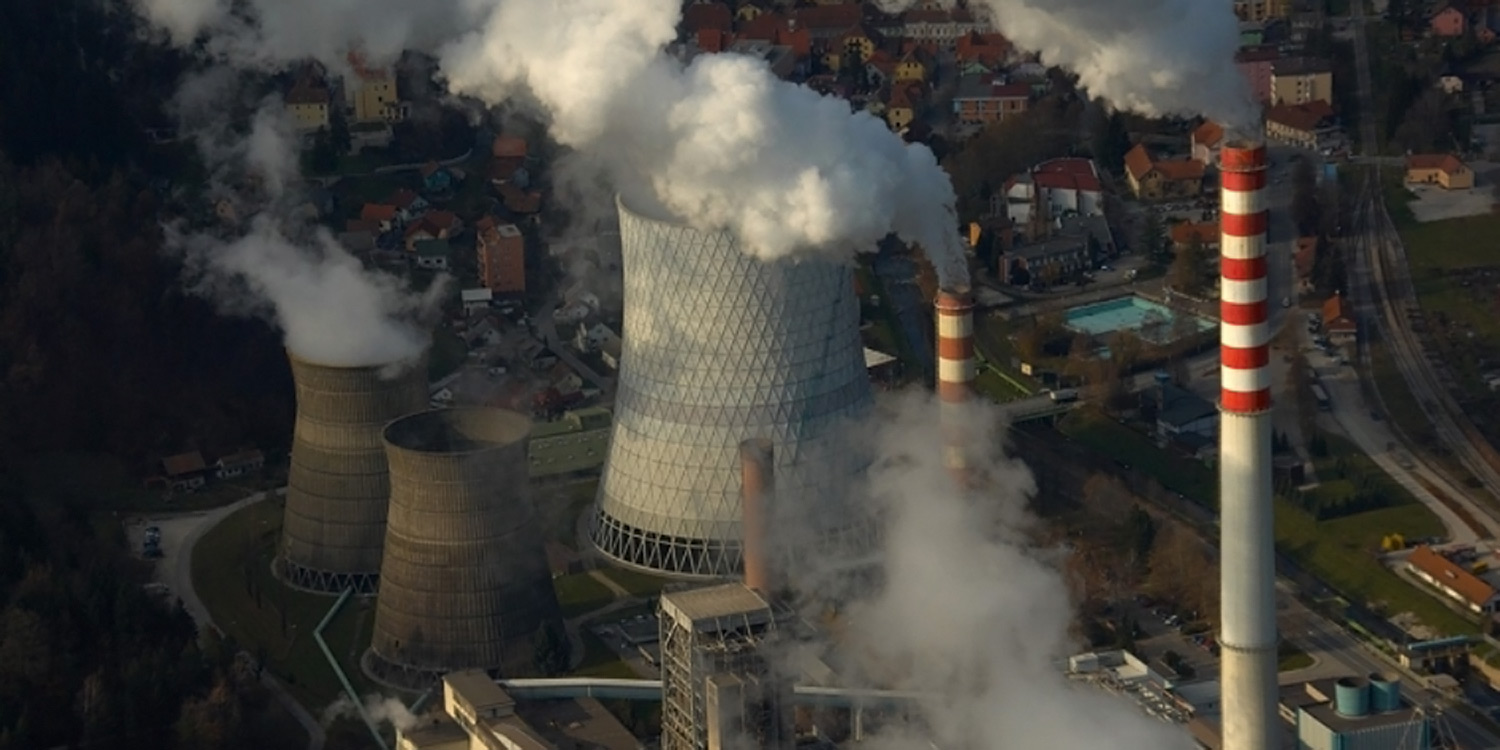
The long-running saga of Slovenia’s overpriced Šoštanj 6 coal power plant took a dramatic turn last week when Slovene prosecutors filed charges including money laundering against 12 people and two companies. Meanwhile, in 2018, the Šoštanj power plant as a whole generated a net loss of EUR 58.5 million. Why are nearby Serbia and Bosnia-Herzegovina – both countries that are planning new coal plants – not learning any lessons?

