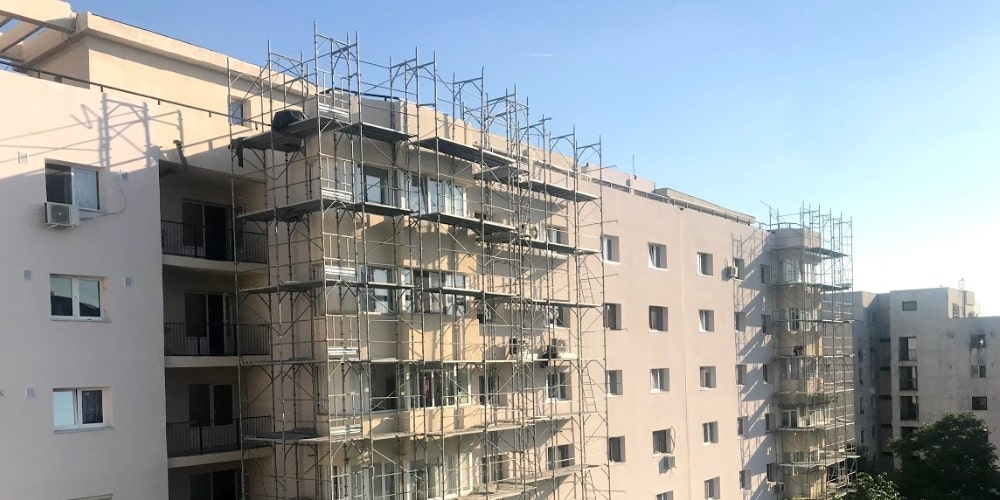
Taking the chill off Romania’s residential buildings
June 4, 2019 | Read more
Energy efficiency is taking centre stage in the Energy Union. Last summer, after long negotiations between the Parliament and the Council, a new energy efficiency target was set at 32.5 per cent by 2030. To meet the target, Romania is channelling public funds into renovating its residential sector which accounts for as much as 86 per cent of the country’s built environment.
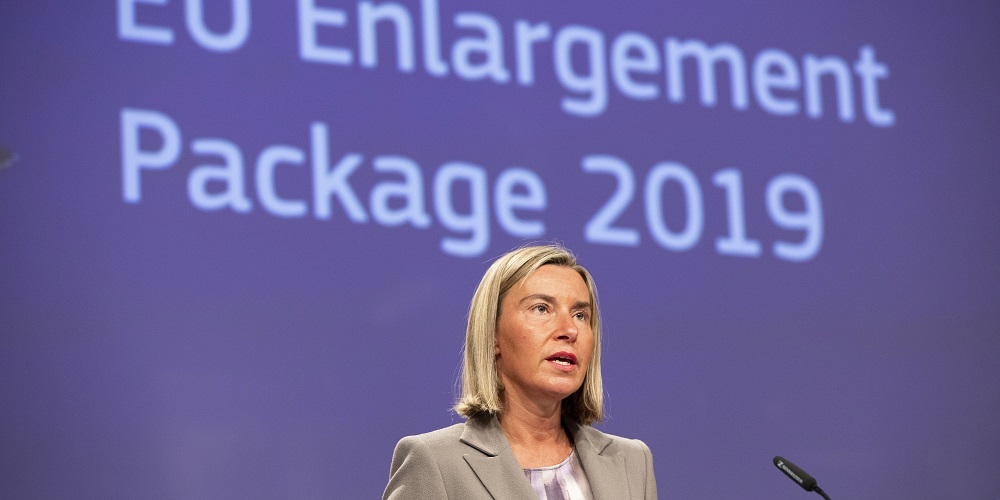
This year’s EU Enlargement Package reiterates a slew of unresolved problems from previous years in the Western Balkans, but gives increased prominence to China’s role in the region and the and the need to reign in uncontrolled hydropower development.

As the European Parliament elections begin, many commentators, especially in northern and western Europe, have hailed this year’s elections to be the first where climate change and policy will play a major role in voters’ decisions. Even in southern European countries, climate change has moved to the top of its political agenda. On the other, central and eastern European countries have allegedly missed this green wave sweeping through the EU.
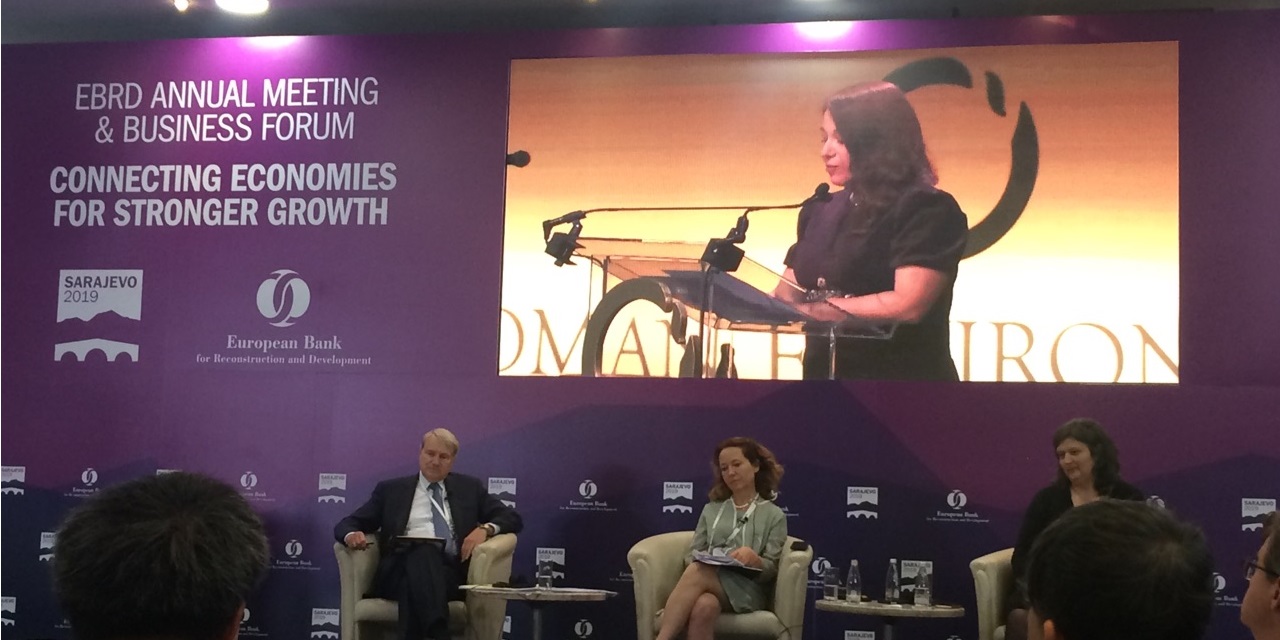
As a result of public resistance to small-scale hydropower projects in the Balkans, from the beginning of 2020, the EBRD will ask commercial banks to refer all high-risk projects – including all hydropower plants – for additional checks. The EBRD also requires them to meet higher environmental standards than previously. The bank will ask that such projects are disclosed to the public on the financial intermediary’s website, finally increasing disclosure on these hitherto hidden projects.
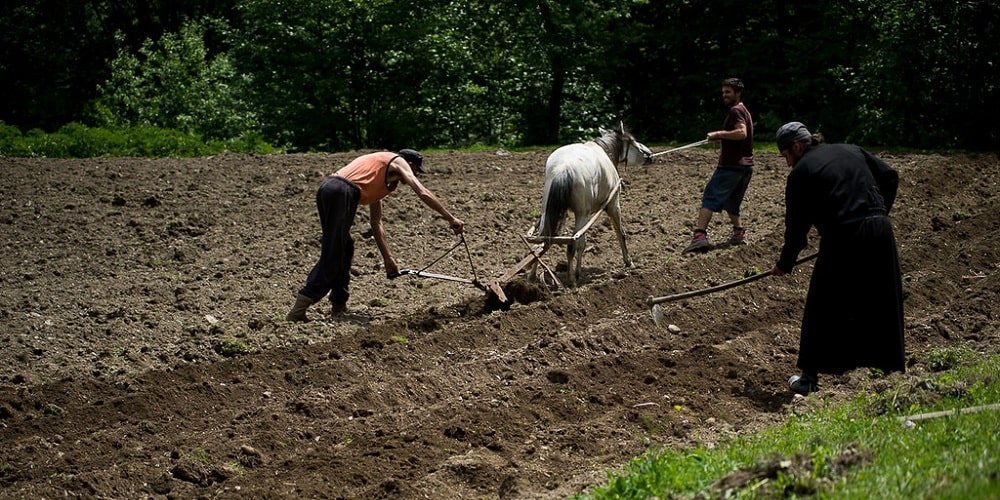
There are many reasons why the Nenskra hydropower plant in Georgia should not be built at all. The project is set to have devastating environmental and social impacts, and its economics are particularly shoddy.
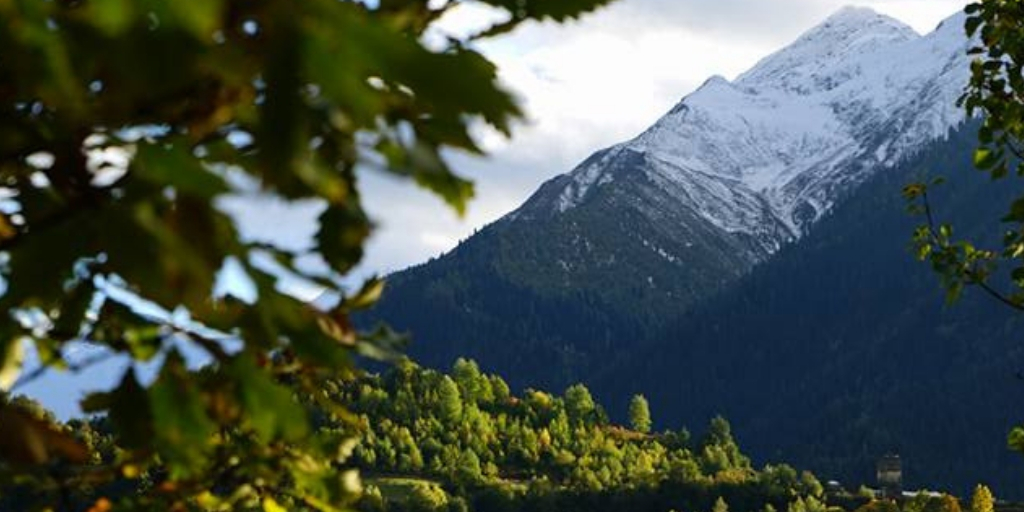
As the realisation of the project keeps dragging on, it is becoming increasingly difficult for the EBRD, and all international financial institutions involved, to justify their engagement.

