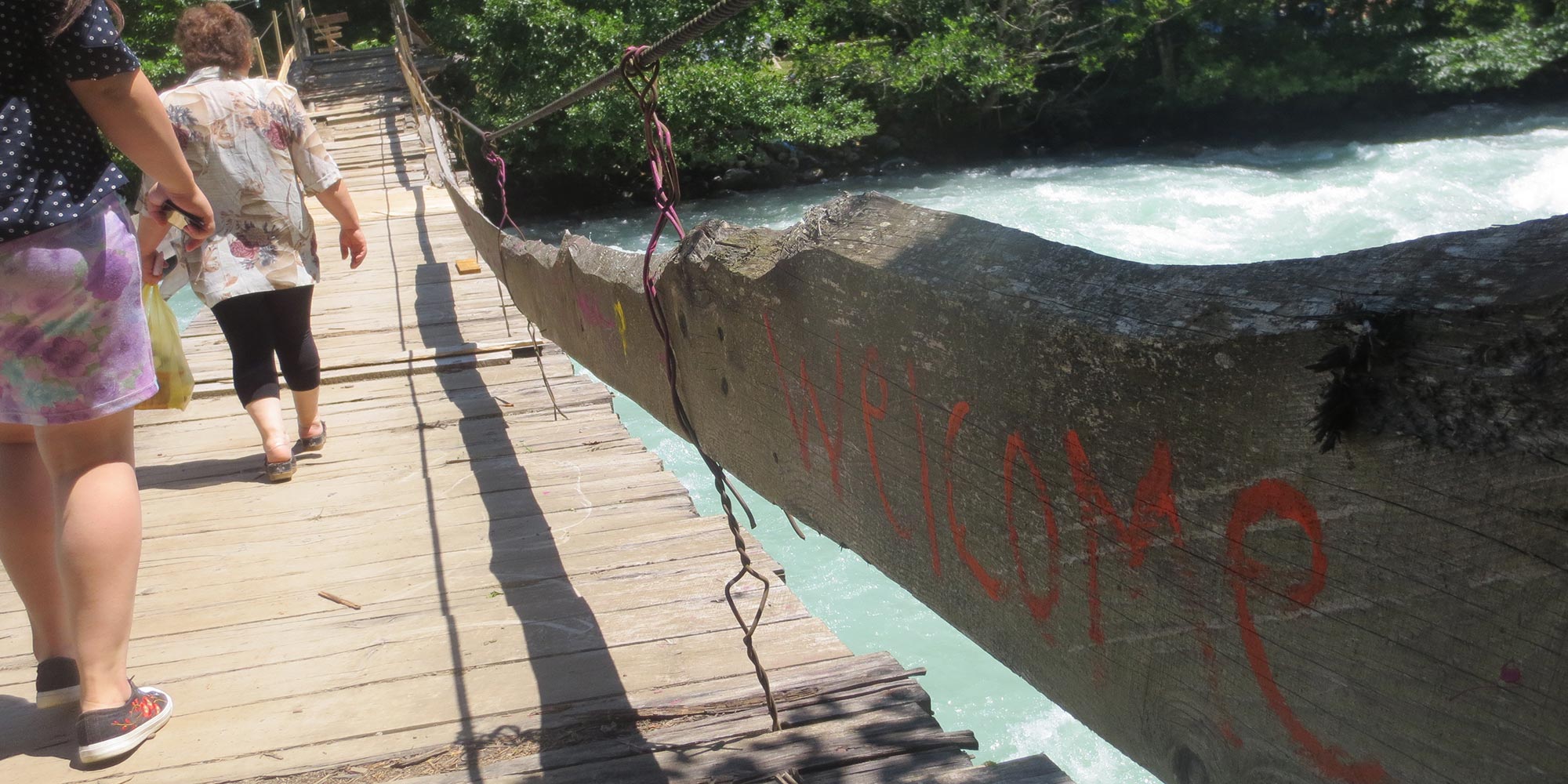
Despite the remote location, the culture festival We Are Svaneti brought together people from three continents and helped young Svans to become aware of their communities’ unique traditions.

A new report assesses the state of play with the involvement of civil society partners in EU funds.
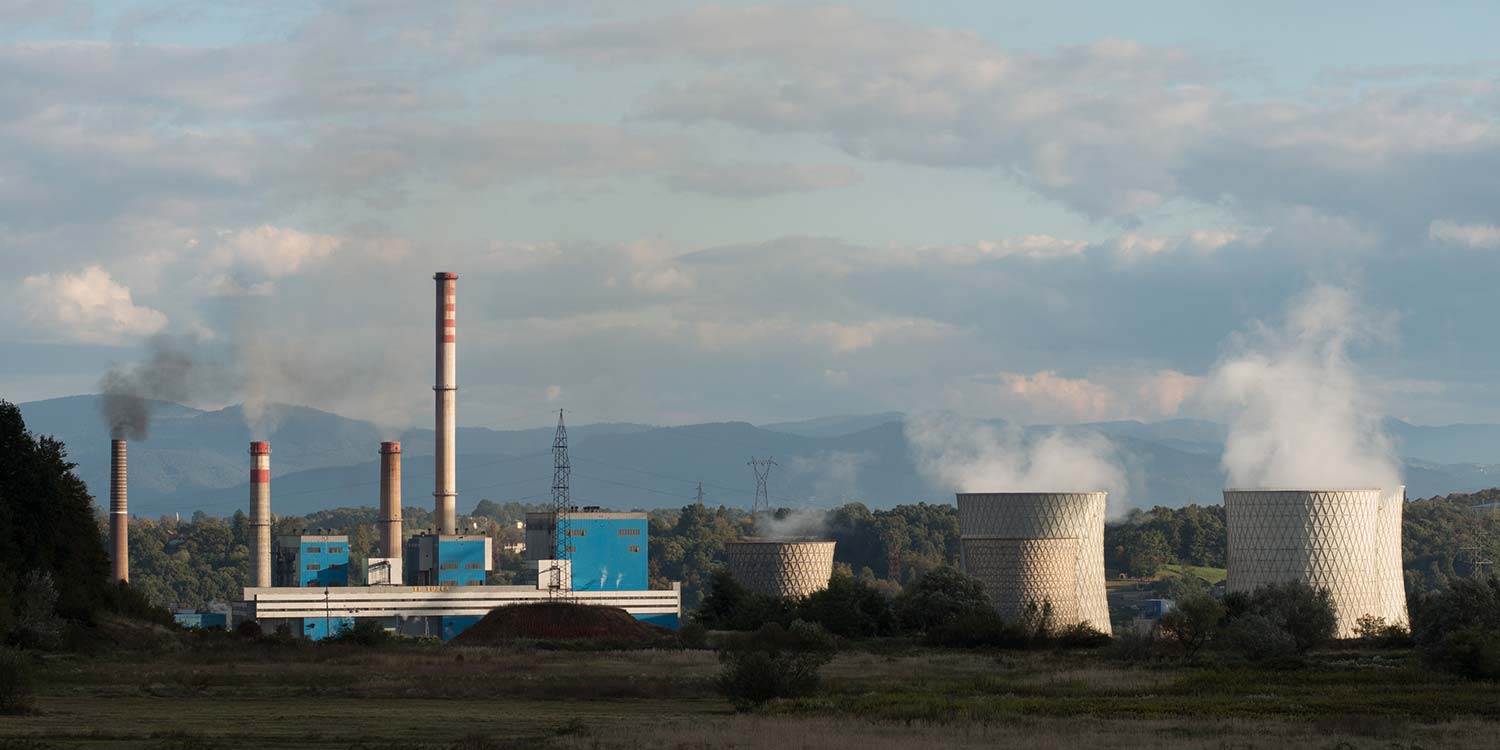
Balkan governments unprepared for new EU pollution rules
August 17, 2017 | Read more
New EU rules entering into force today, to limit pollution from power plants, will also apply in most Western Balkan countries. But the region’s governments are so far acting like they don’t exist.

With new legislation, Bulgaria’s government is trying to limit inconvenient civil engagement in projects it deems strategic.
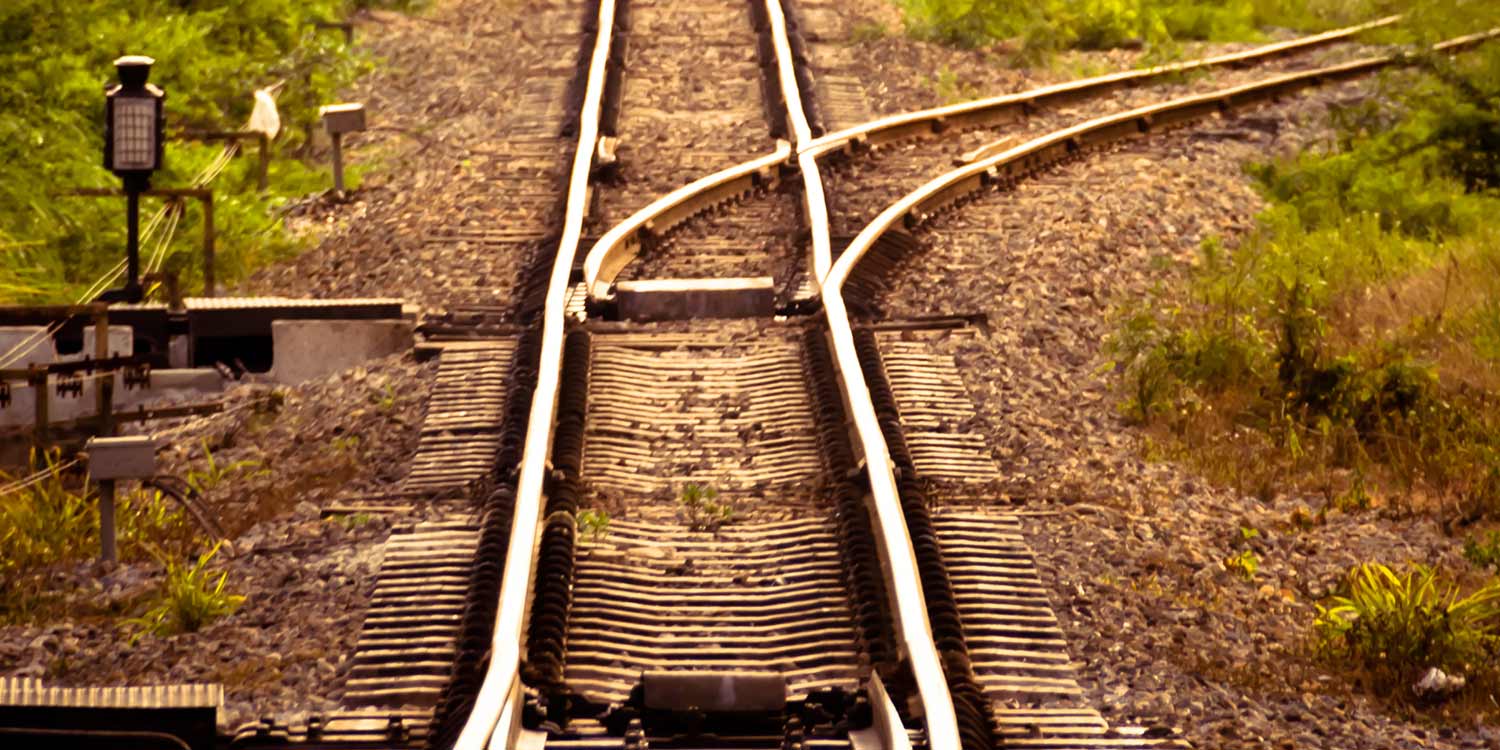
Public tensions have been rising over a proposed EUR 100 million tram line in the capital Riga that is proposed for EU funding.
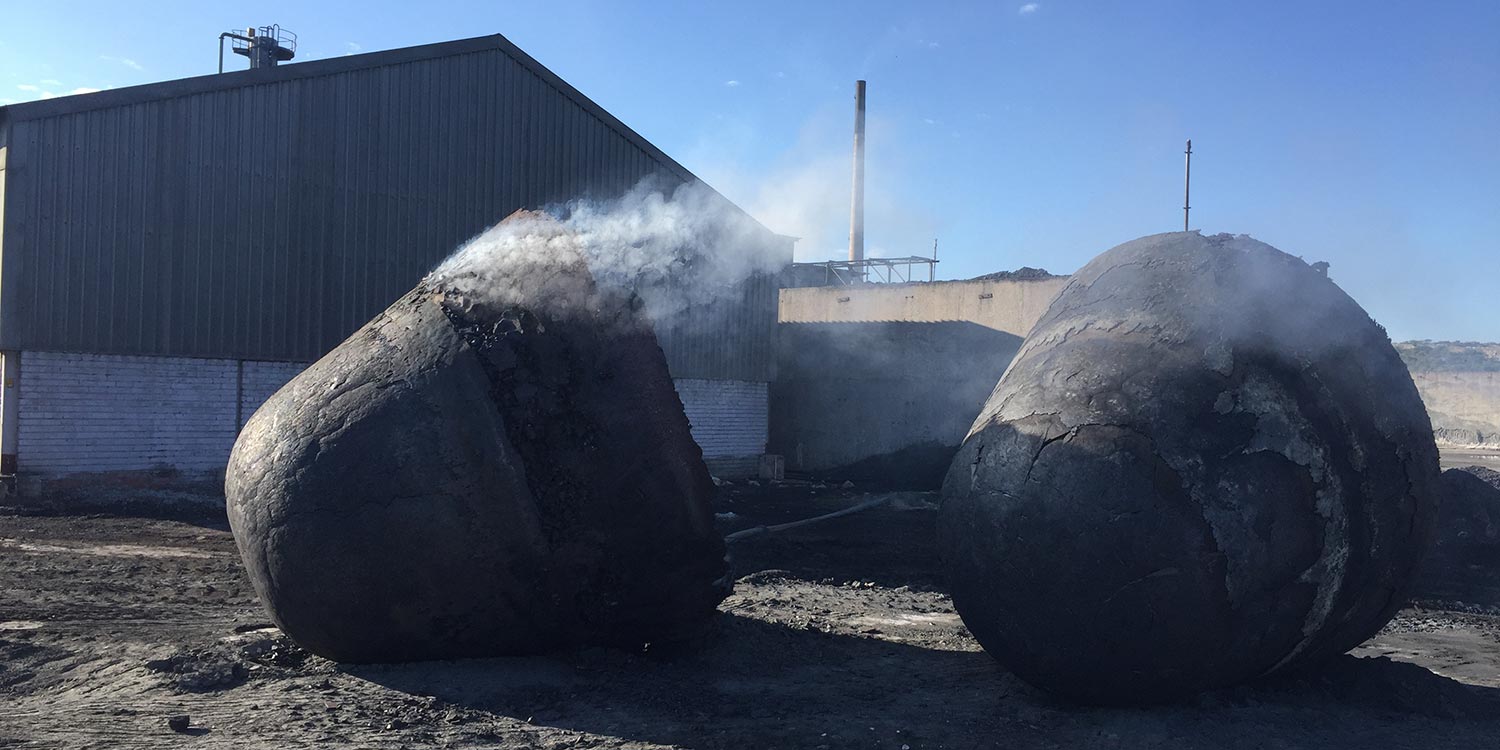
As it nears two years of a Bankwatch visit to the copper smelter in Namibia and the uncovering of an unsafe arsenic disposal site, a planned expansion has revealed so far undisclosed environmental information.

