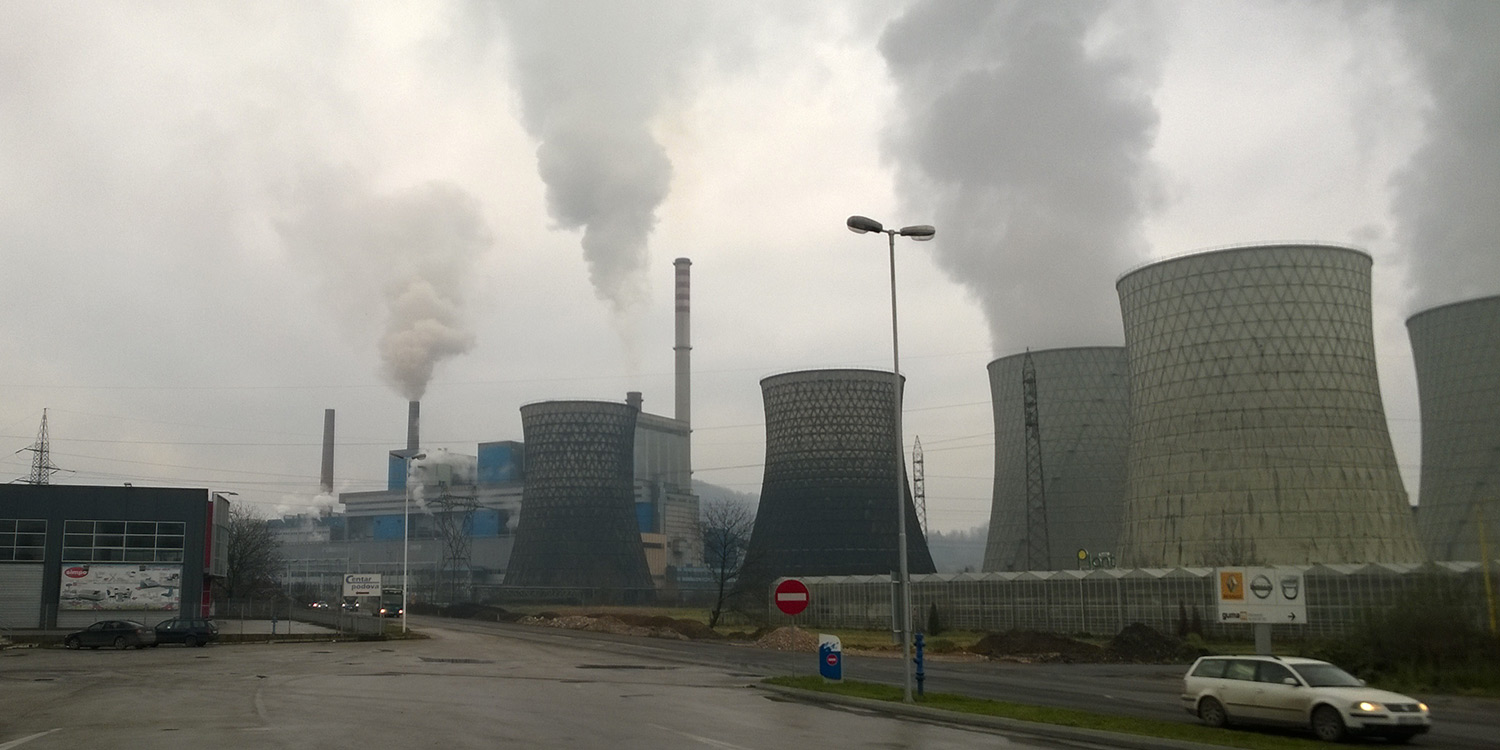
Western Balkans holds breath for better air quality
June 26, 2017 | Read more
In the Western Balkans, air pollution can be a fatal problem, made worse by some of those countries’ energy policies. Ioana Ciuta sheds light on the region’s developing crisis, which is claiming lives at an alarming rate.
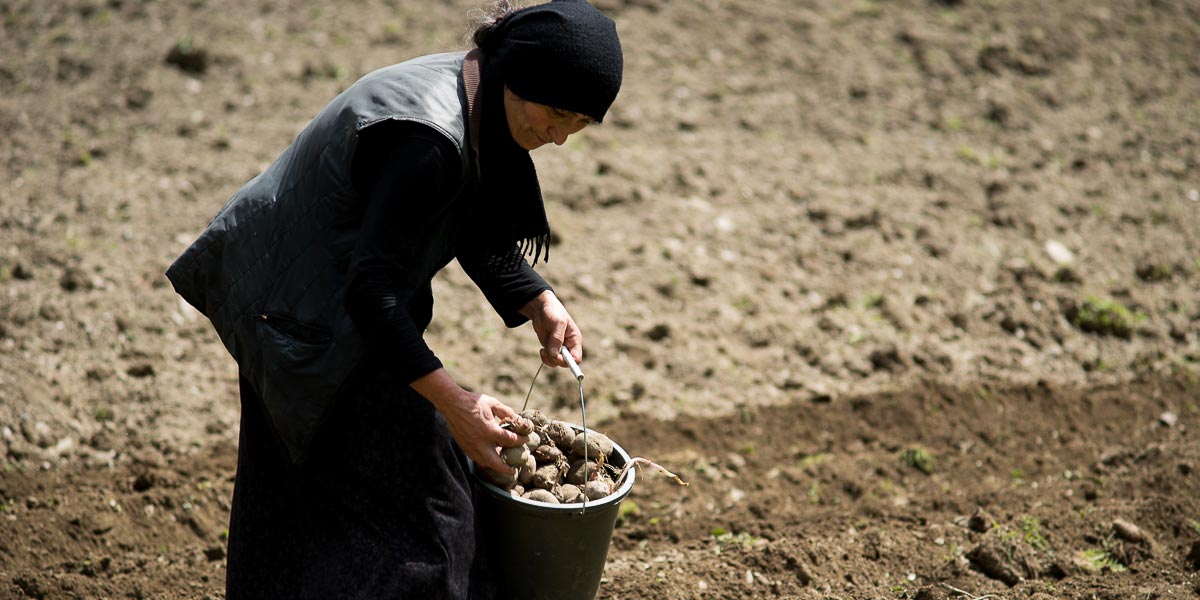
The disproportionate impacts that the Nenskra hydropower project in Georgia will have on women are not being assessed by the project company, in spite of its financiers’ standards.
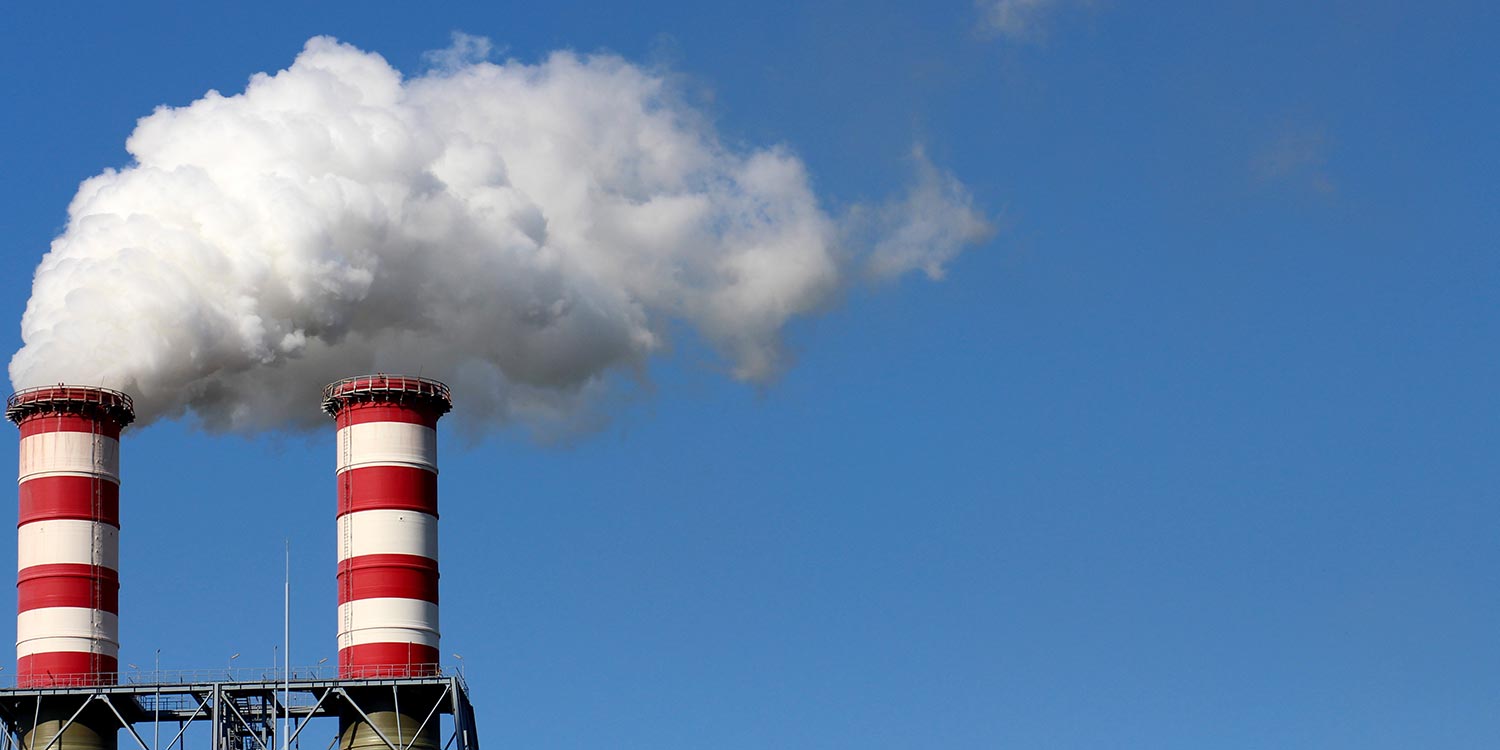
Almost all the countries in the Balkan region are planning to build new coal power plants, but there has been virtually no mention of the need for them to comply with new pollution standards.
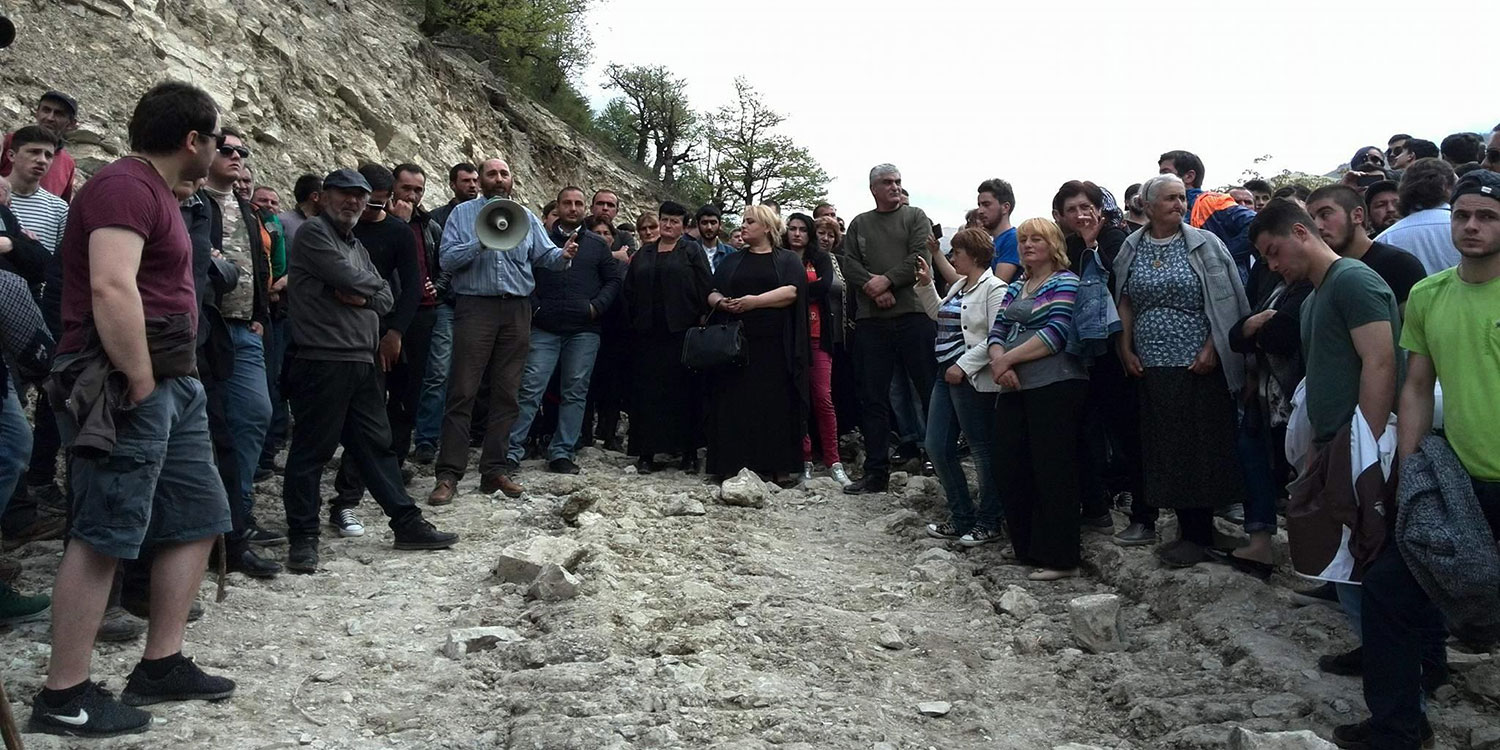
Mountain villages in the country’s northeast protest for changes to the routing of high voltage lines in a series of local protests.
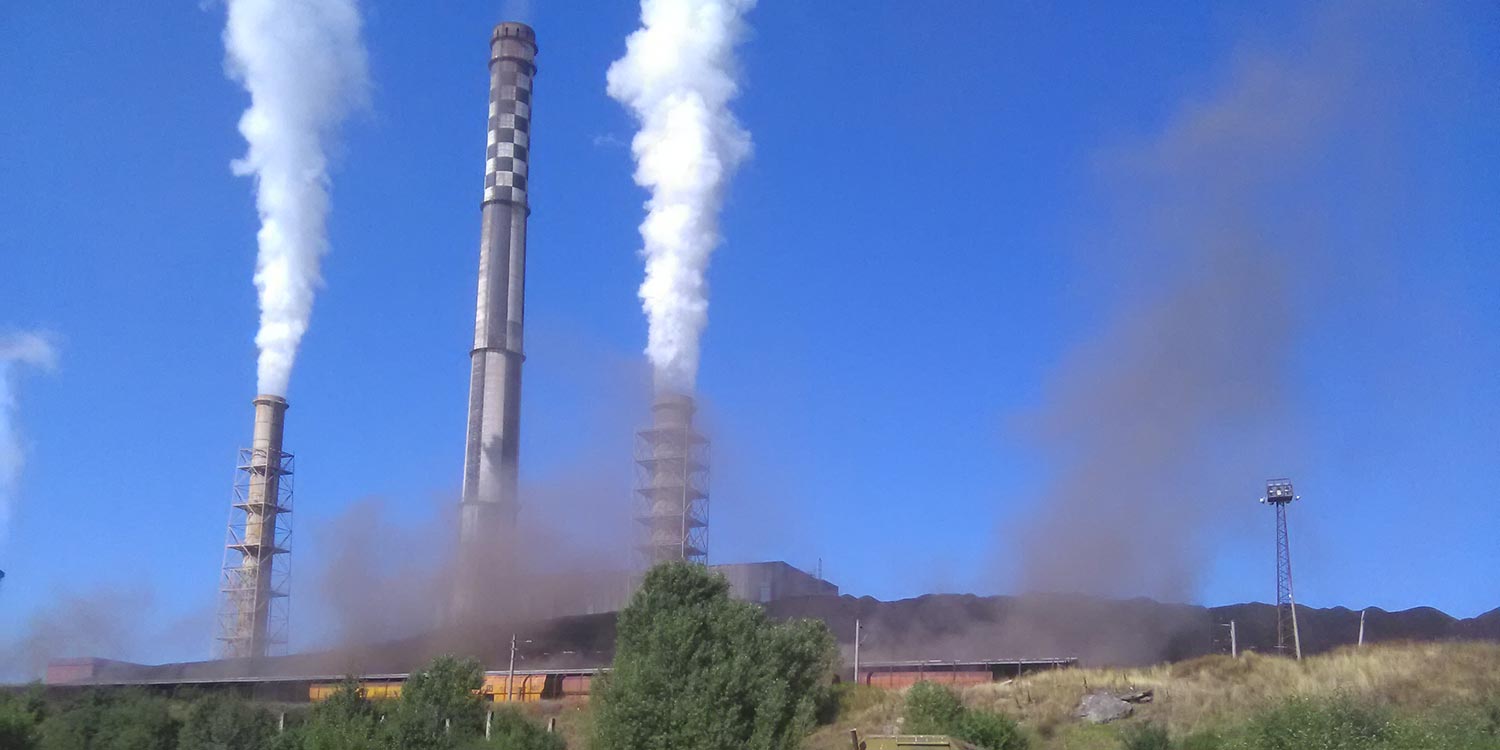
Unsuccessful in making a coal power plant reduce abhorrent pollution levels, the village of Golemo Selo, Bulgaria is trying to “move” to a new municipality, hoping to have more say in matters concerning its citizens’ health and livelihoods.
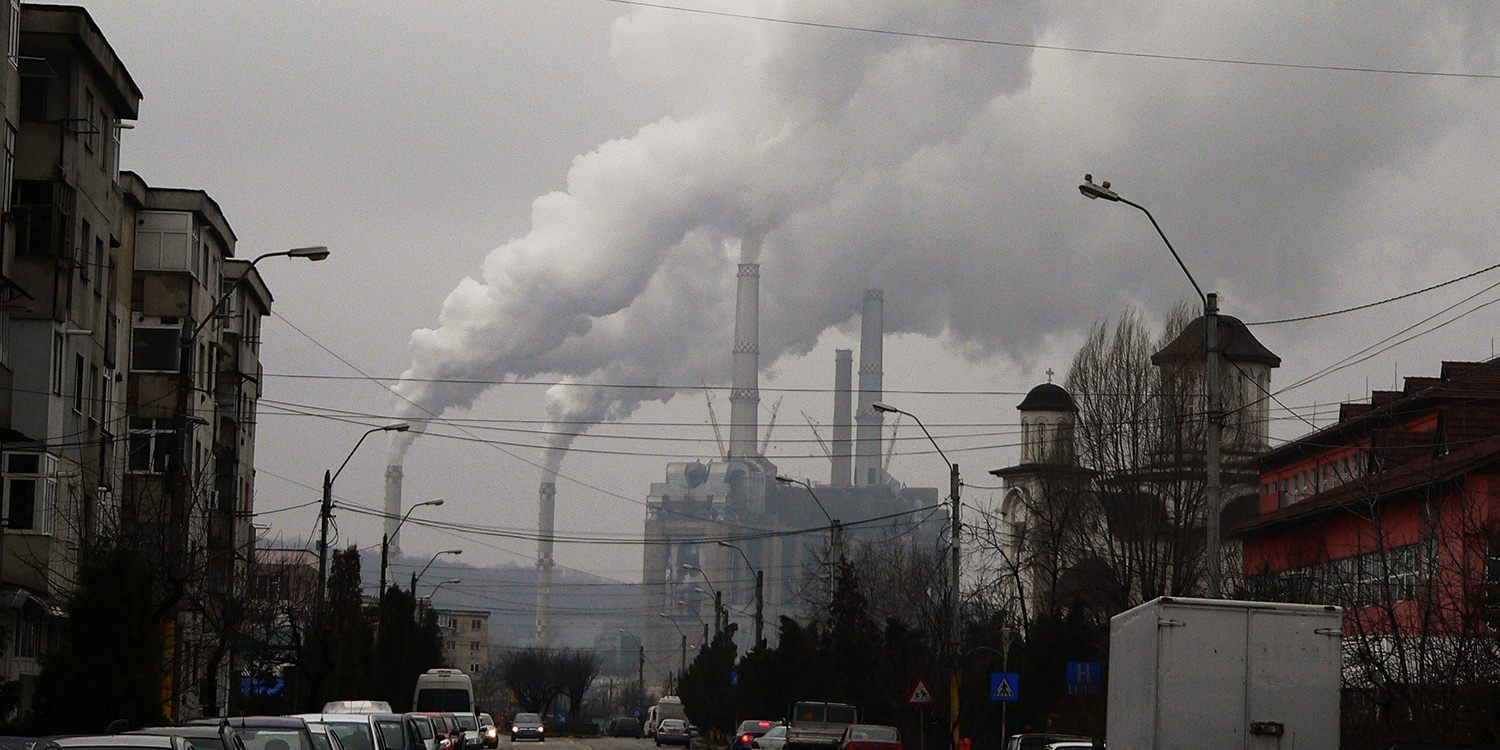
Levels of particulate matter (fine dust) in Rosia de Jiu, Romania were up to 20 times above the limit suggested by the World Health Organisation, show the results of our independent monitoring.

