• Skip to primary navigation
  • Skip to main content
  • Skip to footer

Bankwatch

  • About us
    • Our vision
    • Who we are
    • 30 years of Bankwatch
    • Donors & finances
    • Get involved
  • What we do
    • Campaign areas
      • Beyond fossil fuels
      • Rights, democracy and development
      • Finance and biodiversity
      • Funding the energy transformation
      • Cities for People
    • Institutions we monitor
      • European Bank for Reconstruction and Development
      • European Investment Bank
      • Asian Infrastructure Investment Bank
      • Asian Development Bank (ADB)
      • EU funds
    • Our projects
    • Success stories
  • Publications
  • News
    • Blog posts
    • Press releases
    • Stories
    • Podcast
    • Us in the media
    • Videos

Home > Archives for Timeline Stories

In March, the European Commission published a proposal for the seventh Environment Action Programme (2014–2020), outlining priorities such as safeguarding natural capital, protecting human health, and enhancing climate resilience. 

In May, the EU’s new cohesion policy regulation was finalised, requiring that all operational programmes include environmental safeguards, with 20 per cent of the EU budget earmarked for climate-related spending. 

In July, after sustained pressure from Bankwatch and its partners, the EIB adopted its new energy lending criteria, effectively committing to phase out financing for coal and setting stronger restrictions on carbon-intensive projects. 

In November, following years of Bankwatch-led advocacy and legal action citing environmental risks, the EBRD officially withdrew from financing the Ombla hydropower project in Croatia. 

Throughout the year, we advocated for the EBRD to help mediate tensions between Ukrainian communities and electricity transmission companies, addressing long-standing conflicts over land rights and infrastructure development. 
https://bankwatch.org/cool_timeline/153765

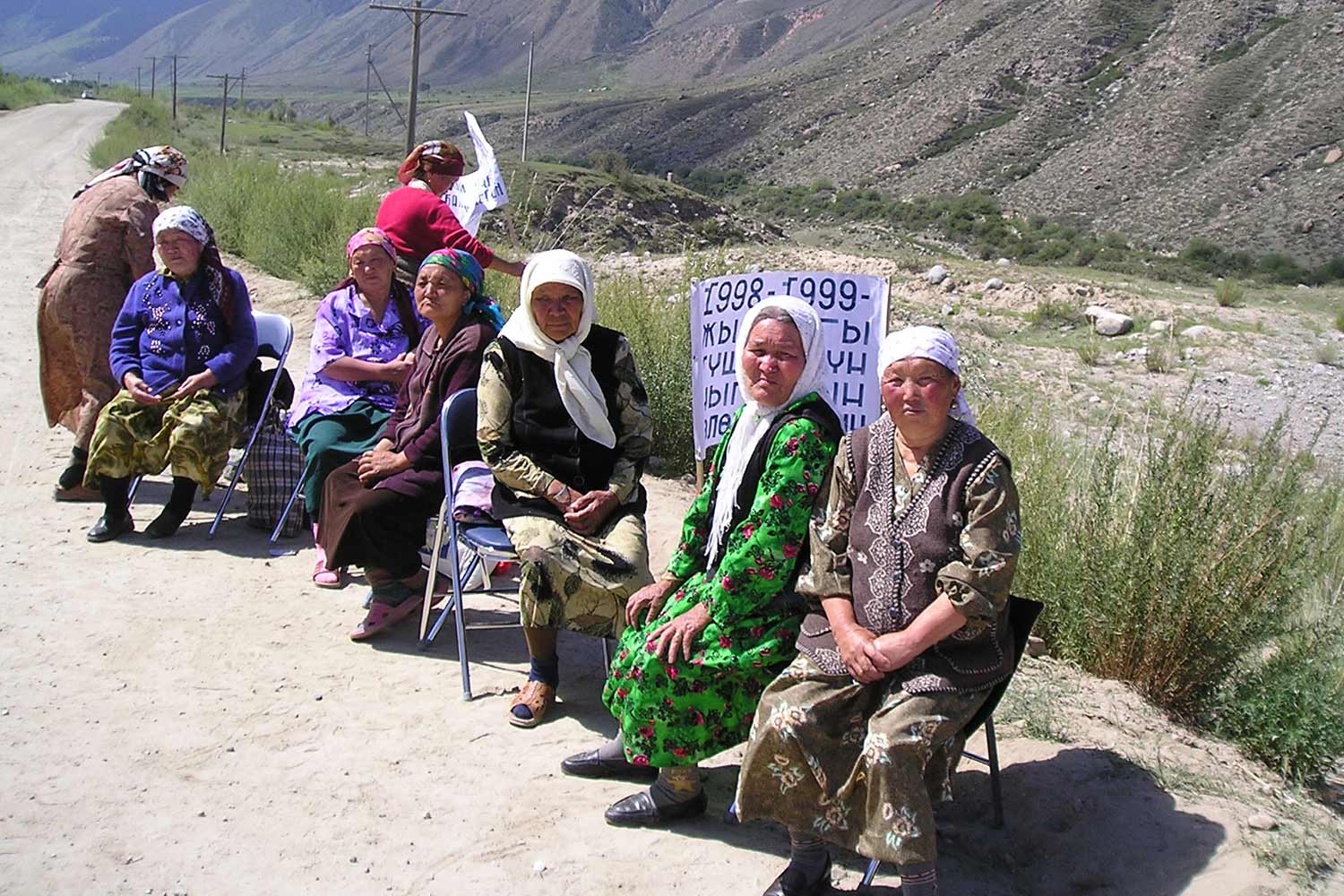
Villagers stage a blockade to demand proper compensation for an old accident at the Kumtor gold mine.

In May, the European Code of Conduct on Partnership was adopted by the European Commission, establishing guidelines for involving civil society and the public in planning and implementing EU cohesion policy. 

In August, Bankwatch published a report on the Kumtor gold mine in Kyrgyzstan, contributing to growing parliamentary scrutiny and influencing public debate around the project’s environmental and social impacts. 

In September, Bankwatch and Greenpeace raised the alarm over the EBRD’s proposed EUR 300 million loan for lifetime extensions of Ukraine’s ageing nuclear ‘zombie’ reactors. 

In October, the first EU Energy Efficiency Directive was adopted, establishing a common framework of measures to promote energy efficiency within the EU to ensure its 2020 target of a 20 per cent improvement in energy efficiency would be met.  

https://bankwatch.org/cool_timeline/153764

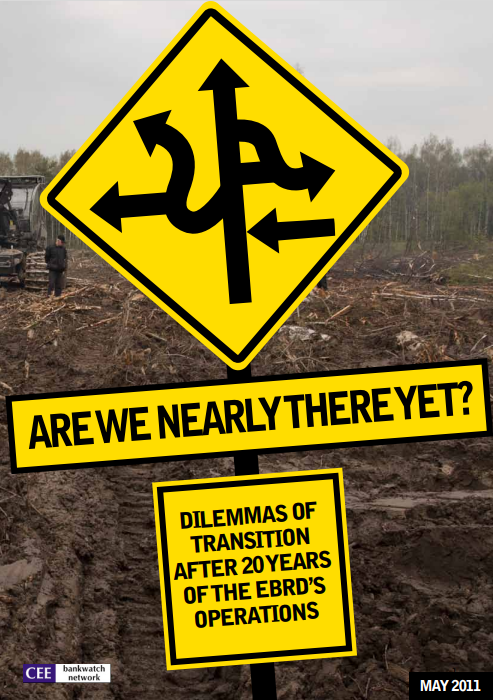
Coinciding with the EBRD’s 20th anniversary, Bankwatch published two reports – ‘Stuck in the Market’ and ‘Are We Nearly There Yet?’ – prompting the bank to revise its transition methodology to include qualities such as green economy, good governance, and inclusion. 

In February, the European Parliament adopted a resolution calling for the EIB to develop a strategy for phasing out the financing of projects detrimental to the EU’s climate objectives outside the EU, including certain fossil-fuel projects. 

In March, the EU adopted a roadmap for moving to a competitive low-carbon economy, outlining a strategy to reduce greenhouse-gas emissions by 80 to 95 per cent below 1990 levels by 2050. 

Throughout the year, we raised concerns about the environmental and social impacts of the significant mining boom in Mongolia, driven by increased foreign investment in large-scale mineral extraction projects.  

In April, Russian environmentalist Dmitry Lisitsyn was awarded the Goldman Environmental Prize for his grassroots efforts to protect Sakhalin Island’s fragile ecosystems from the impacts of large-scale oil and gas development. 

And finally, in May, the European Commission adopted the EU Biodiversity Strategy to 2020, aiming to halt biodiversity loss and ecosystem degradation across the EU. 

https://bankwatch.org/cool_timeline/153761

The year marked 13 years of Bankwatch campaigning to protect Bulgaria’s Kresna Gorge – an ecologically vital Natura 2000 site – against the threat of motorway construction. 

Early in the year, Bankwatch worked intensively to raise concerns about the proposed Nabucco gas pipeline connecting Turkey and Austria, highlighting the environmental and geopolitical risks of EIB and EBRD involvement in the project. 

In cooperation with our Macedonian member group Eko-Svest, we launched a campaign to safeguard Mavrovo National Park and the critically endangered Balkan lynx from destructive hydropower developments. Through a combination of formal complaints and public mobilisation, we successfully pressured both the World Bank and the EBRD to withdraw their funding, helping to protect one of Europe’s biodiversity hotspots. 

In May, at the EBRD Annual Meeting in Zagreb, Bankwatch drew attention to the climate impacts of fossil-fuel financing, with anti-coal activism emerging as a central issue. 

After years of advocacy dating back to 2005, the EBRD began implementing its Gender Action Plan in 2010 – a long-overdue but welcome step towards addressing gender inequality in its operations. 

https://bankwatch.org/cool_timeline/153758

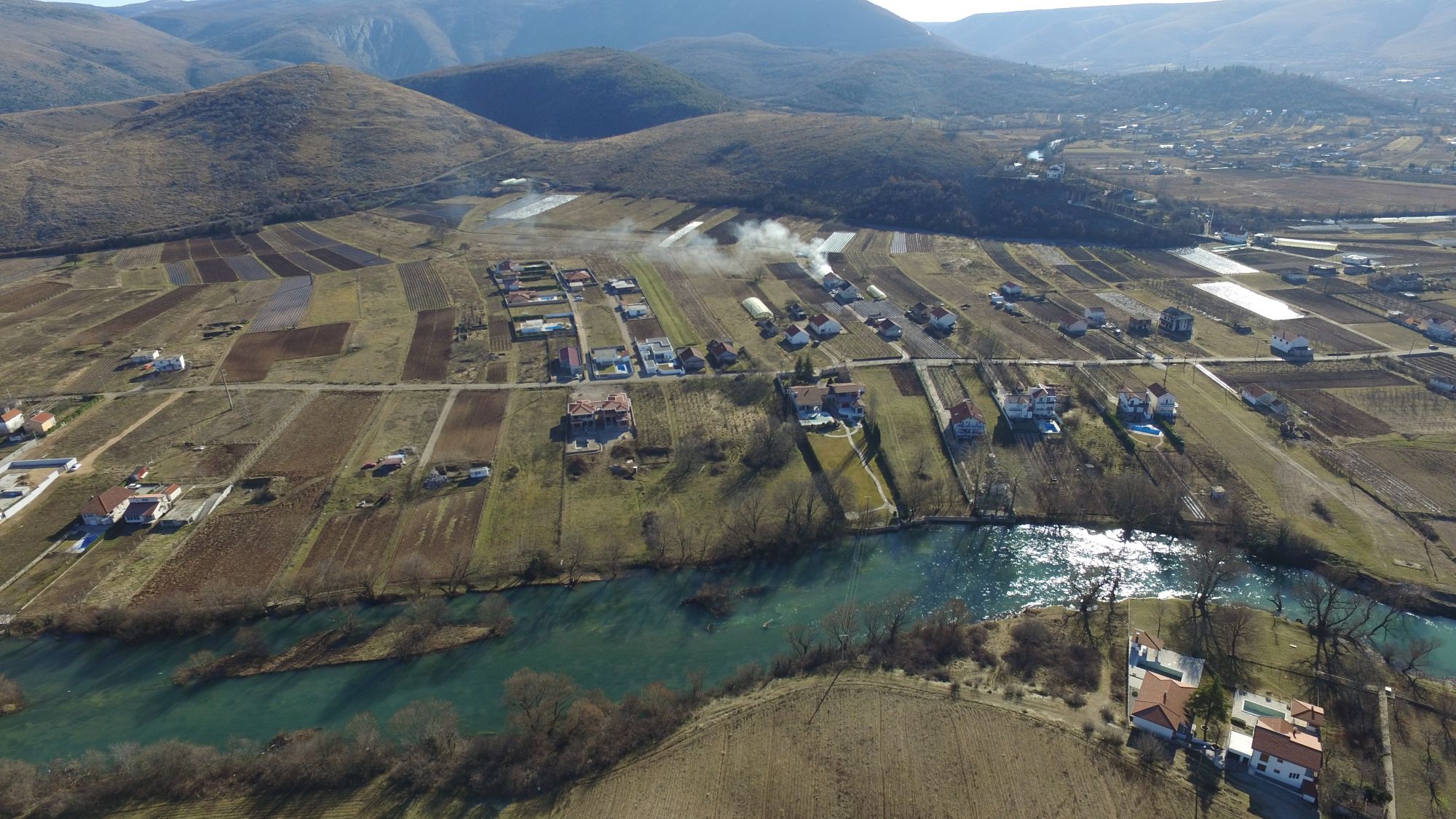
Corridor Vc3 near Mostar

In April, the EU formally adopted its Climate and Energy Package, setting binding targets to reduce greenhouse-gas emissions by 2020. In addition, the EU strengthened its European Neighbourhood Policy, placing a stronger emphasis on human rights as a central tenet in relations with its eastern and southern neighbours.  

During the year, Bankwatch conducted a fact-finding mission to the Corridor Vc motorway section south of Mostar in Bosnia and Herzegovina. And although the route alignment remains unresolved to this day, the fight continues.  

Following a four-year campaign – including petitions and legal action at both Bulgarian and EU levels – Bankwatch and its partners achieved significant changes in Bulgaria’s mining sector. Plans to introduce cyanide leaching at the Chelopech gold and copper mine and at the Krumovgrad gold and silver mine were blocked. As a result, EBRD investments in Dundee Precious Metals were limited to revised, less harmful technologies, leading to an appropriate assessment and the implementation of mitigation measures in Krumovgrad. 

https://bankwatch.org/cool_timeline/153757

Bankwatch and its Polish member group, Polish Green Network, scored a major success after a seven-year campaign to protect the Rospuda Valley. By strategically applying pressure on the Polish government and the European Commission while leveraging EU financing regulations, we played a pivotal role that led to the Warsaw court revoking the last remaining permit for the original route, resulting in its eventual rerouting the following year. 

At the EU level, Bankwatch continued its advocacy to ensure that climate action remained central to cohesion policy and raised concerns around the growing use of public–private partnerships in infrastructure development. 

In December, the 14th United Nations Climate Change Conference (COP14) was held in Poznań, Poland, bringing international attention to global climate efforts. 

https://bankwatch.org/cool_timeline/153756

« Previous Page
Next Page »

Footer

CEE Bankwatch Network gratefully acknowledges EU funding support.

The content of this website is the sole responsibility of CEE Bankwatch Network and can under no circumstances be regarded as reflecting the position of the European Union.

Unless otherwise noted, the content on this website is licensed under a Creative Commons BY-SA 4.0 License

Your personal data collected on the website is governed by the present Privacy Policy.

Get in touch with us

  • Bluesky
  • Email
  • Facebook
  • Instagram
  • LinkedIn
  • RSS
  • YouTube