
European development bank decides to keep cooking the planet
Press release | 15 December, 2023The board of the European Bank for Reconstruction and Development (EBRD) decided yesterday, 14 December, to green-light a new energy lending policy that, with some caveats, allows for continued financing of fossil gas pipelines and gas-fired power plants.
Read more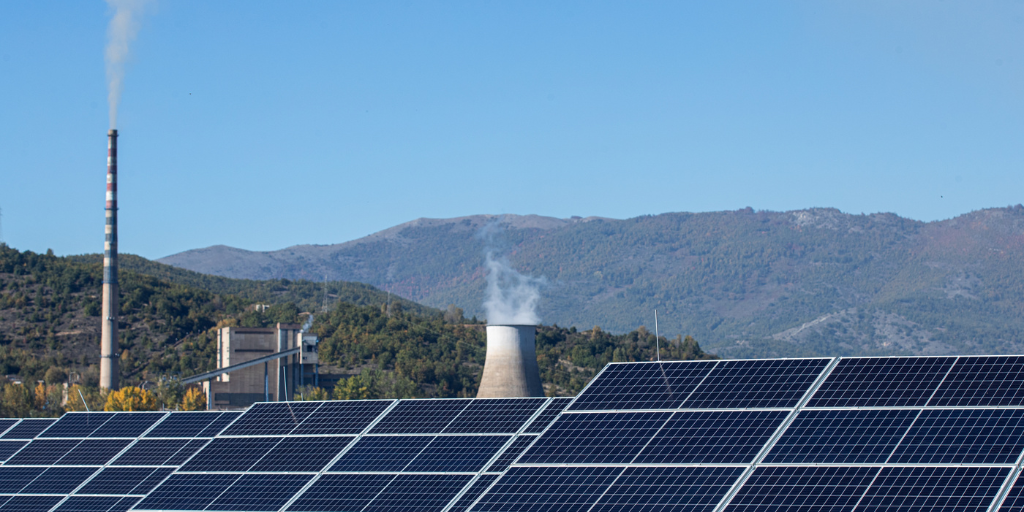
Crunch time for European development bank’s fossil fuel spending
Blog entry | 12 December, 2023The European Bank for Reconstruction and Development (EBRD) is set to decide the future of its energy investments right after the latest round of UN climate negotiations concludes this week. Its Executive Directors must heed the EU’s call for a fossil fuel subsidy phase-out
Read more
On 14 December 2023, the European Bank for Reconstruction and Development (EBRD) could decide to end all fossil fuel investments
Press release | 7 December, 2023Two days* after COP 28 is due to conclude, the board of directors of the EBRD, a multilateral development bank owned by 72 governments, will vote on its new Energy Sector Strategy. This policy will guide the Bank’s energy investments until 2028.
Read more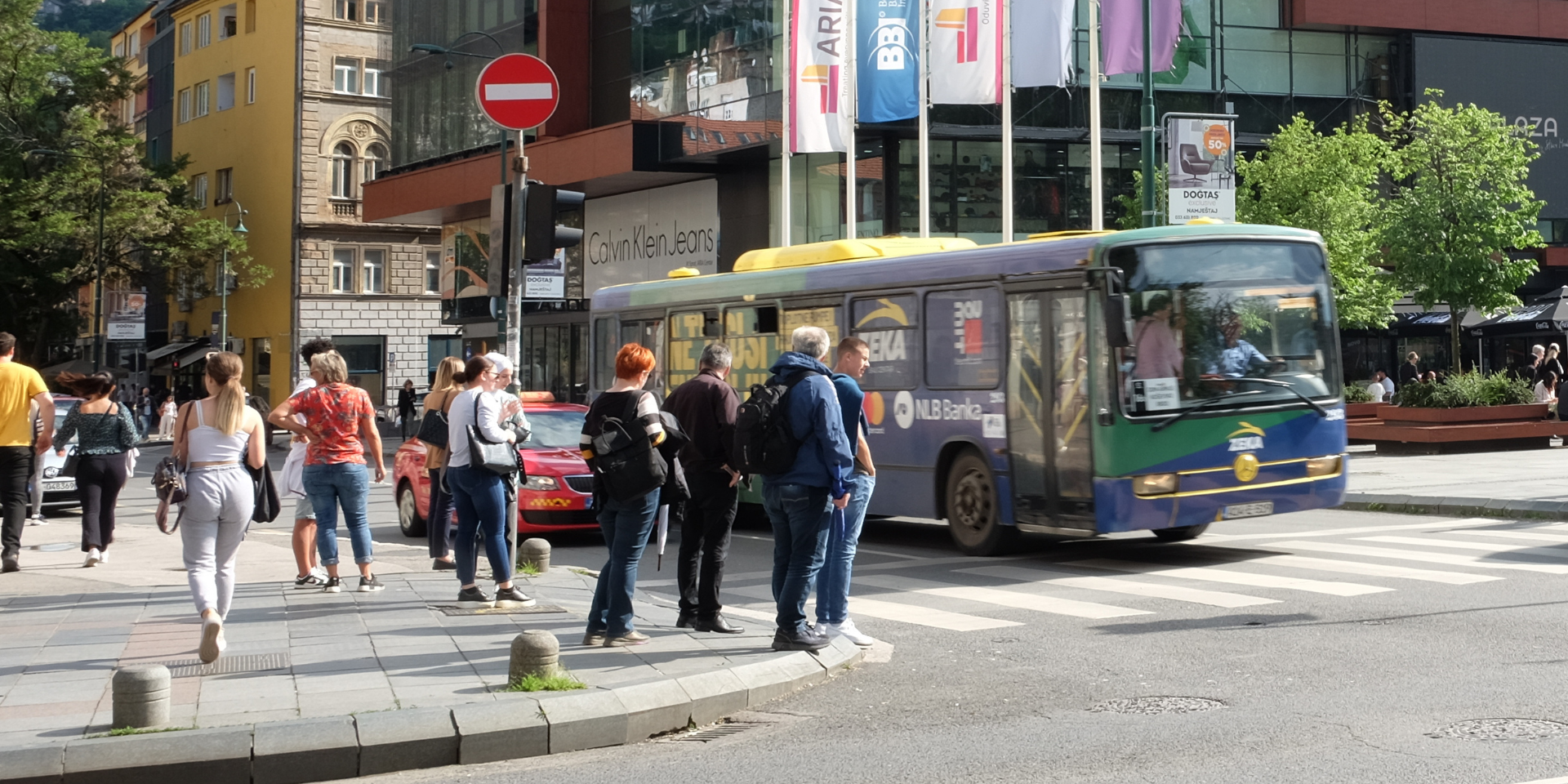
Gender-related issues in the urban mobility sector in the Canton of Sarajevo
Publication | 5 December, 2023Sarajevo transport system is dominated by private motor vehicles and marred by dissatisfaction. Heavy traffic during rush hours, issues with reliability of public transport and environmental concerns persist. Many of these issues disproportionately affect vulnerable groups, including women, who often have distinct travel patterns and needs.
Read moreThe Energy Sector Strategy 2024-2028 Must Mark the End of the EBRD’s Support to Fossil Fuels
Publication | 23 October, 2023As the European Bank for Reconstruction and Development (EBRD) is drafting its 2024-2028 Energy Sector Strategy, Bankwatch and 130 civil society groups from more than 40 countries released a joint statement urging the Bank to recommit to tackling the climate crisis.
Read more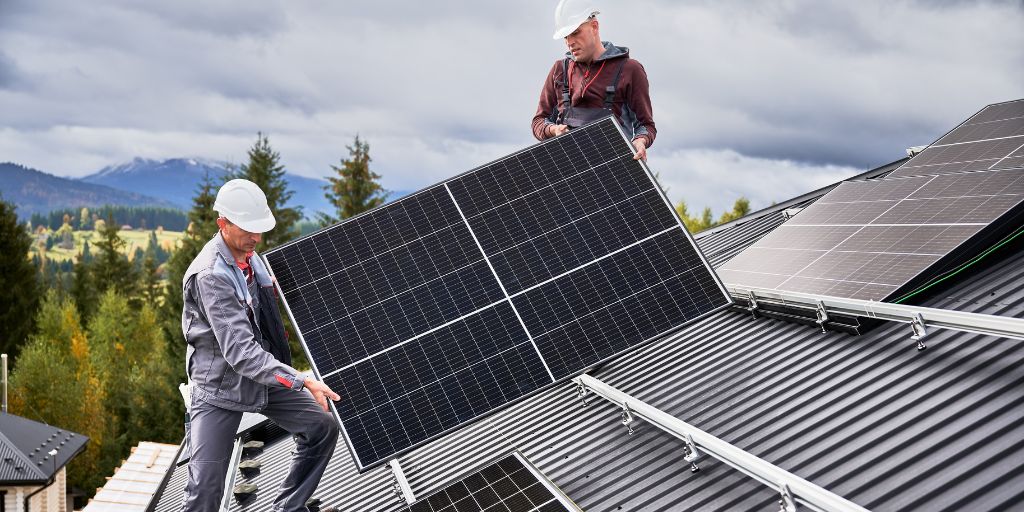
Scaling up investments in the decarbonisation of district heating in Western Balkan communities
Publication | 16 October, 2023This report describes both the constraints facing primarily small and medium-sized communities in the region that wish to upgrade their district heating networks as well as the financial needs and potential in recalibrating financial streams to unlock a just and sustainable heating transition in the Western Balkans.
Read more
A call to defend the independence of accountability mechanisms
Publication | 9 October, 2023Bankwatch joins other community advocates around the world in sounding the alarm about growing threats to the independence of accountability mechanisms attached to international financial institutions and other development agencies.
Read more
The European Bank for Reconstruction and Development must do more to safeguard biodiversity in its new environmental policy
Blog entry | 4 October, 2023As the global biodiversity crisis grows ever more urgent, the European Bank for Reconstruction and Development’s (EBRD) environmental policy and practice is proving insufficient to prevent harm to nature, let alone allow its restoration. The Bank’s review of its environmental and social policy in the coming months must provide a proportionate response to the scale of the problem.
Read more
Thousands demand European development bank stops financing fossil fuels
Press release | 27 September, 2023Over 6200 emails have been sent to the European Bank for Reconstruction Development (EBRD) calling for its next energy policy to end financing for fossil fuels and step up investments in the energy transition.
Read more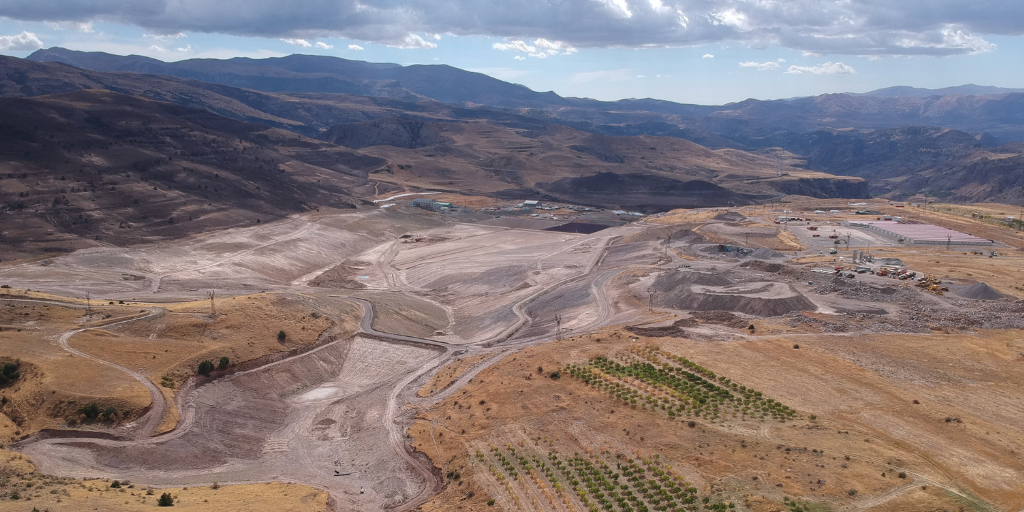
Civil society groups urge the EBRD to rethink mining investments
Press release | 20 September, 2023Twenty civil society organisations from Albania, Armenia, Azerbaijan, Bosnia and Herzegovina, Georgia, Mongolia, Uganda, Ukraine and Uzbekistan, as well as seven international environmental and human rights organisations, are calling on the European Bank for Reconstruction and Development (EBRD) to reconsider its approach to mining investments.
Read more
