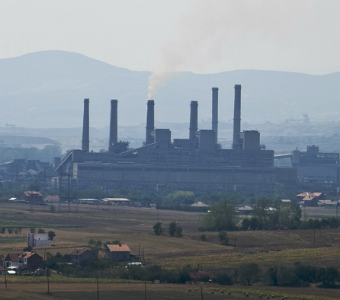
Where’s Plan B for Kosovo’s energy sector?
Blog entry | 18 March, 2014When it comes to Kosovo’s energy future, institution after institution has been putting most of its eggs in a ‘new lignite’ basket while some very reasonable alternative investment options seem to fall by the wayside.
Read more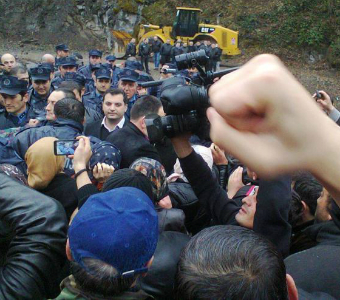
Georgian Ministry of Energy orders use of force against local protesters who fear landslides from hydro construction
Blog entry | 14 March, 2014Last weekend, the Georgian Ministry of Energy and Natural Resources again left no doubt about where its main interests lie: enforcing the massive exploitation of Georgia’s hydropower potential despite and against people’s concerns and if necessary by use of force.
Read moreNGOs respond to EU aid for Ukraine: watch for the devil in the details
Press release | 6 March, 2014Prague — As the European Council on aid to Ukraine concludes today in Brussels NGOs caution that the 11 billion euros put forward by the EU come on terms which will not necessarily foster an independent, self-reliant Ukraine.
Read moreComments on Project Complaint Mechanism Draft Rules of Procedure
Publication | 6 March, 2014The EBRD’s Project Complaint Mechanism’s Rules of Procedure (PCM) are part of the bank’s good governance policies which are all being revised in the beginning of 2014. In addition to these comments on the PCM here, Bankwatch has prepared comments to the good governance policies (pdf) in general separately.
Read moreComments on the EBRD’s good governance policies drafts
Publication | 6 March, 2014The EBRD’s good governance policies include the Environmental and Social Policy (ESP), the Public Information Policy (PIP) and the Project Complaint Mechanism’s Rules of Procedure (PCM). Bankwatch has also submitted separate comments on the draft Rules of Procedure for the PCM.
Read moreNGO comments on the EBRD’s Project Complaint Mechanism Draft Rules of Procedure
Publication | 6 March, 2014This comment letter, signed by 16 civil society organisations, focuses on the provisions that directly affect complainants’ access to the PCM. Specifically, our concerns relate to the Draft Rules of Procedure registration and eligibility criteria, and provisions regarding complainant participation at various stages of the PCM process.
Read moreEuropean Development Bank: Backward Step on Rights – Draft Policy Would Weaken Protection
Press release | 5 March, 2014(London) – The European Bank for Reconstruction and Development’s (EBRD) new draft Environment and Social Policy would fail to weed out abusive development projects, seven human rights and bank watchdog organizations said today in a joint statement. The bank’s consultation on the draft policy closes on March 5, 2014. It then has an opportunity to revise the policy before sending it to the bank’s board for approval in the coming months.
Read moreLessons from Kolubara for the EBRD Environmental and Social Policy
Publication | 4 March, 2014The EBRD loan for the Kolubara lignite mine project in Serbia was approved when the forced removal of the local graveyard of the Vreoci community was already initiated and in spite of protests and appeals to the EBRD and in spite of on-going corruption investigations of the company. This case offers important lessons learned for the Environmental and Social Policy of the EBRD with regards to human rights.
Read moreAarhus and Espoo Conventions in the EBRD’s Draft Environmental and Social Policy (Bankwatch statement)
Publication | 27 February, 2014The EBRD’s current Environmental and Social Policy requires the bank to act in accordance with principles of international law on access to environmental information and participation in decision-making on issues that may have negative transboundary impacts on the environment. The new draft policy, however, transfers responsibility for meeting these commitments from the EBRD to the client.
Read more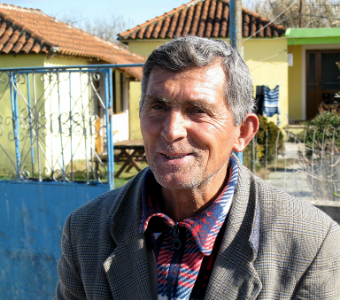
In Albania, oil’s history casts long shadows over locals
Blog entry | 21 February, 2014The findings of a visit to the EBRD sponsored Patos Marinza oil field in Albania show how local development and investments in resource extraction often do not go hand in hand. The case provides valuable lessons for the revision of the EBRD’s safeguard policies.
Read more
