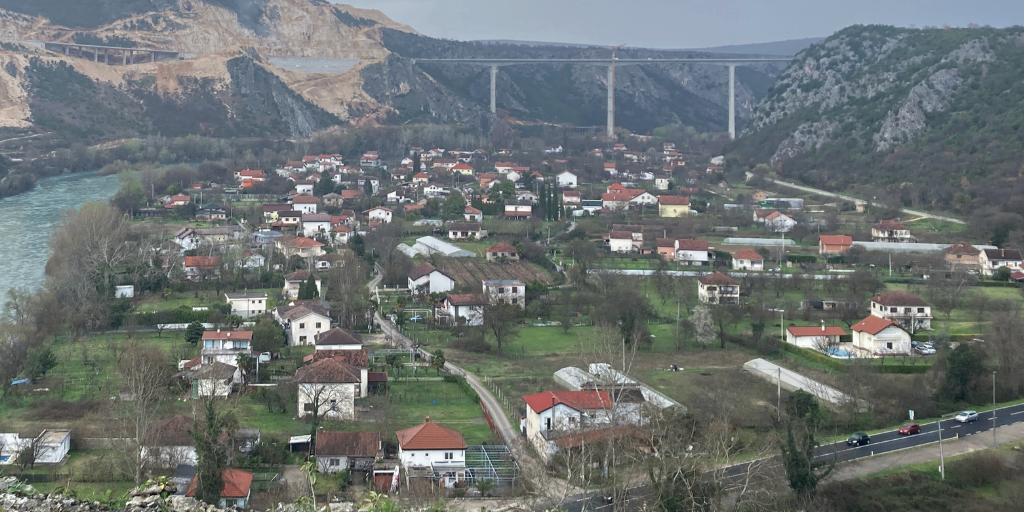
The Corridor Vc motorway in Bosnia and Herzegovina: A decisive test for EU standards
Publication | 5 April, 2024Based on a March 2024 site visit, this report examines two planned sections of the motorway– from Mostar South to the Kvanj Tunnel and from Konjic to Mostar, through the iconic Prenj mountain. It presents updated findings and underlines that it is crucial for the European Commission, EIB and EBRD to ensure that the route south of Mostar and via Prenj is re-examined and publicly consulted if they want to avoid many more years of delay.
Read more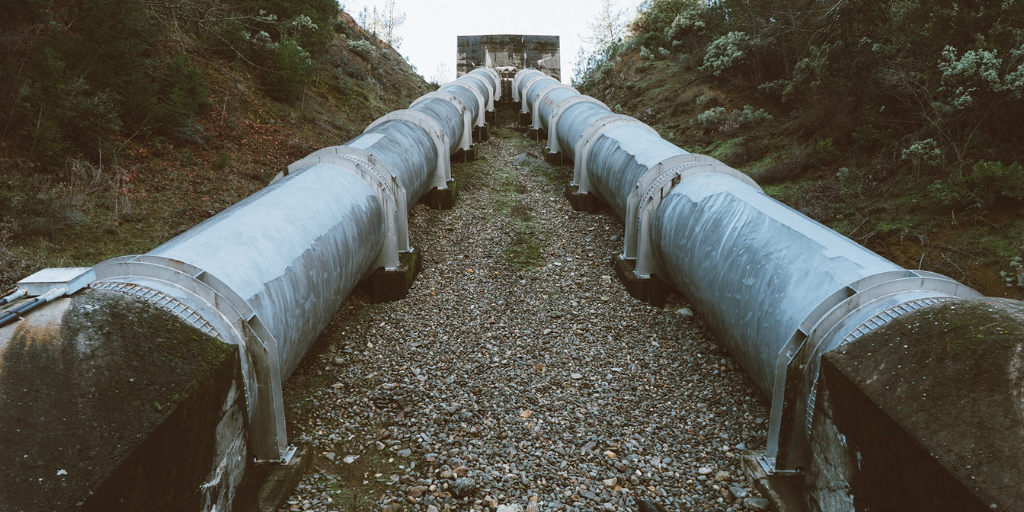
NGOs request investigation into EBRD loan for North Macedonia mega gas pipeline
Press release | 25 March, 2024Environmental watchdogs CEE Bankwatch Network and Eko-svest have today asked the European Bank for Reconstruction and Development’s (EBRD) redress mechanism to investigate a planned loan for a major new fossil gas pipeline from Greece to North Macedonia.
Read more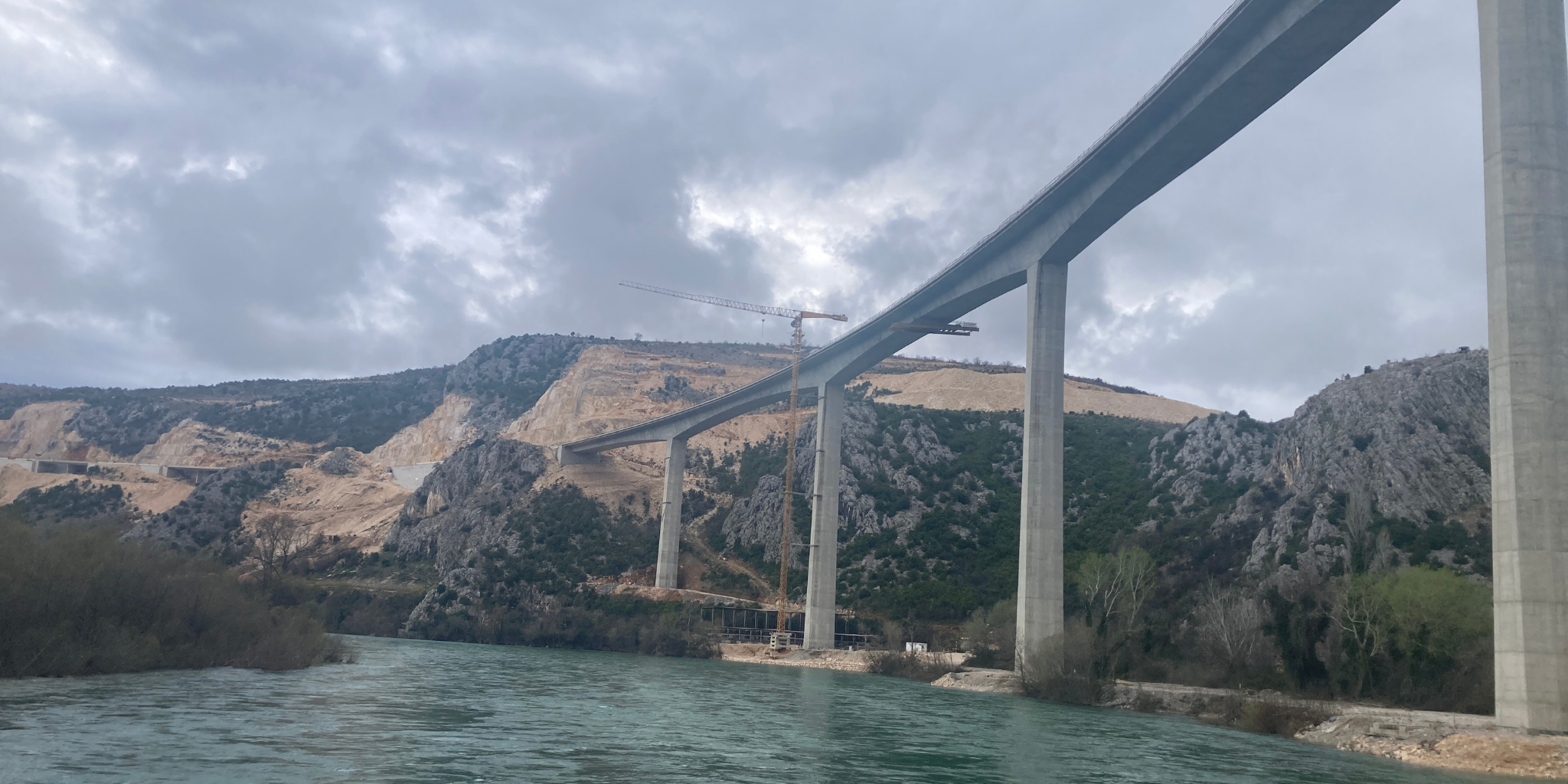
Mostar locals continue to resist Corridor Vc routing amid new tunnel loan talks
Press release | 19 March, 2024On 11-13 March a Bankwatch team visited Mostar and the nearby villages of Kosor, Ortiješ and Malo Polje. The team met with more than 25 landowners from the three villages, visited vineyards in Ortiješ, nearby construction sites on the Corridor Vc, and the Podveležje ridge. They discussed with local people the developments in the valley, ongoing legal action and the results of complaints at the EBRD’s accountability mechanism.
Read more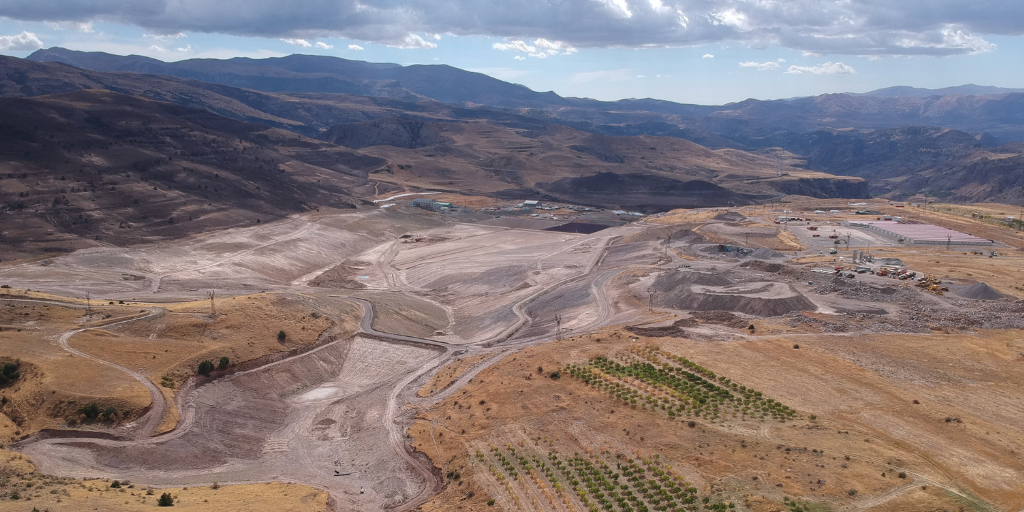
International groups stand in solidarity with Armenian environmental and human rights defenders facing defamation and criminalisation
Press release | 20 February, 2024In recent months, Armenian human rights and environmental defenders and organisations have been facing defamatory attacks in local media. They are increasingly being targeted through defamation, smear campaigns, intimidation and criminalisation for their peaceful, legitimate human rights work.
Read more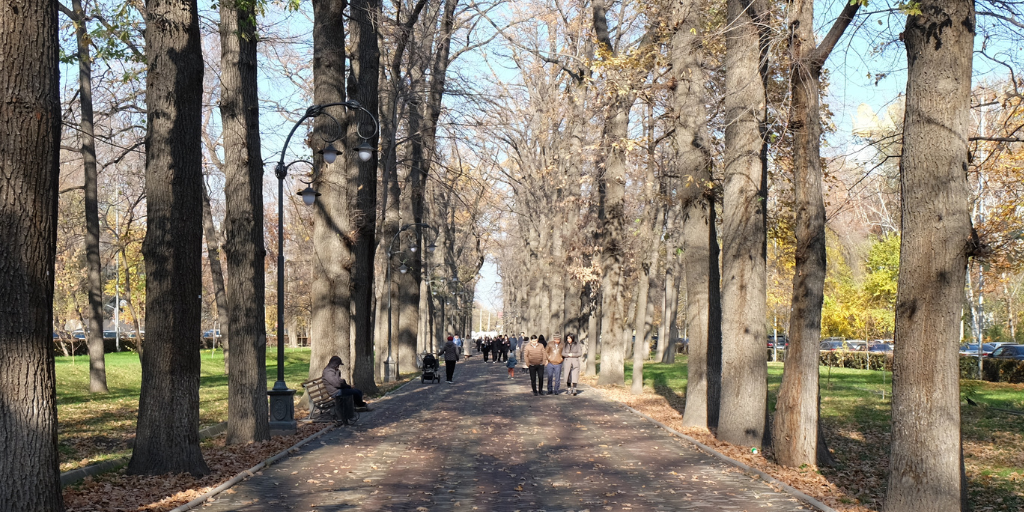
Kyrgyzstan’s crackdown on civil society: Are international development banks doing enough?
Blog entry | 20 February, 2024Kyrgyzstan is one of the few countries in Central Asia with an active and vibrant civil society, represented by strong human right defenders and active environmental and social issue groups. Last year, however, the Kyrgyz government proposed two repressive laws on non-governmental organisations and the media, which represent a major setback for the country’s democratic future.
Read more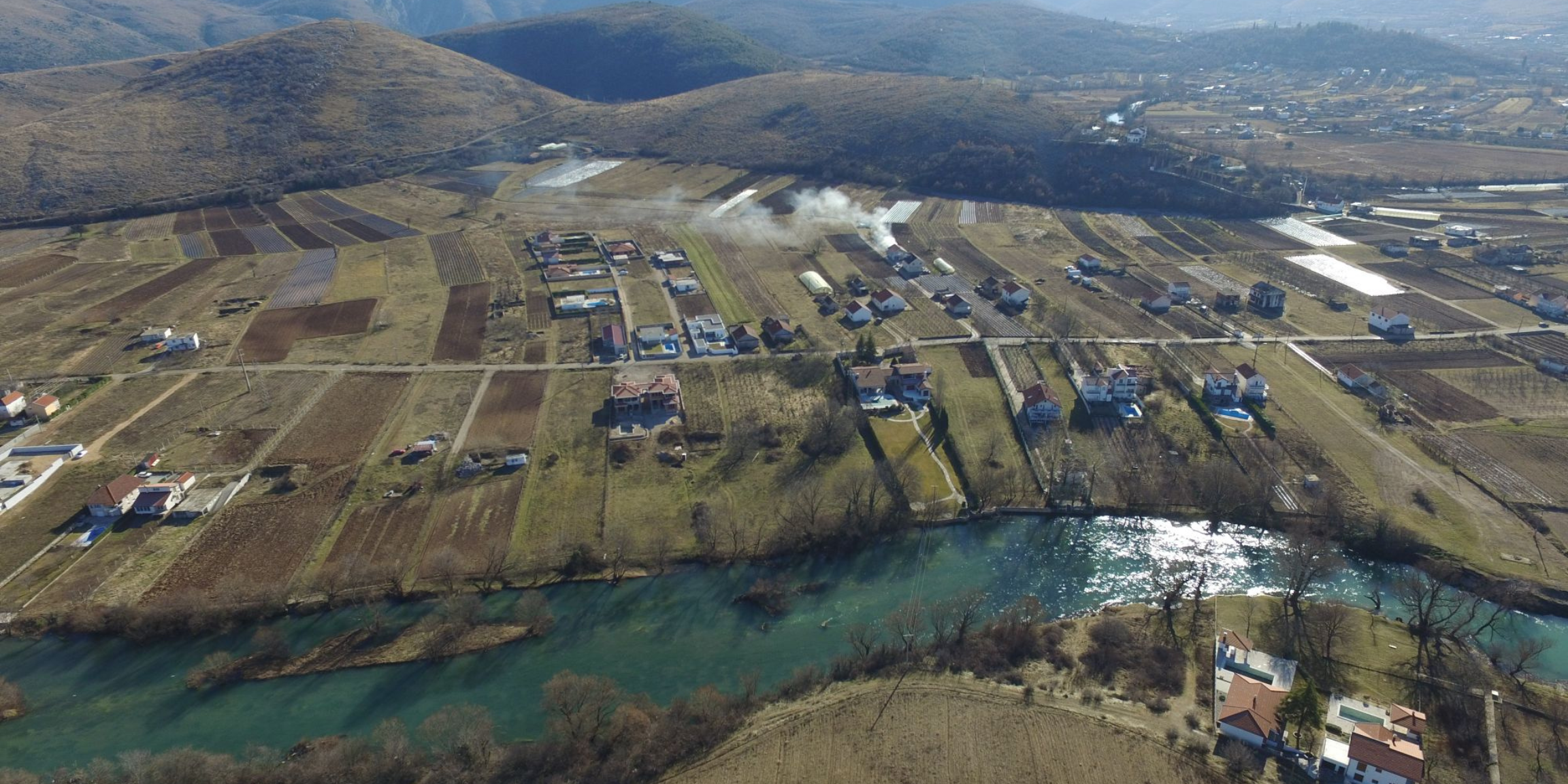
Bosnia and Herzegovina: Corridor Vc motorway south of Mostar needs rerouting to meet EBRD and EU standards
Press release | 16 February, 2024A European Bank for Reconstruction and Development (EBRD) compliance review has vindicated Mostar complainants affected by the Corridor Vc in Bosnia and Herzegovina. Now the Federation of BIH government, with support from the EU and European public banks, must ensure effective remedy.
Read more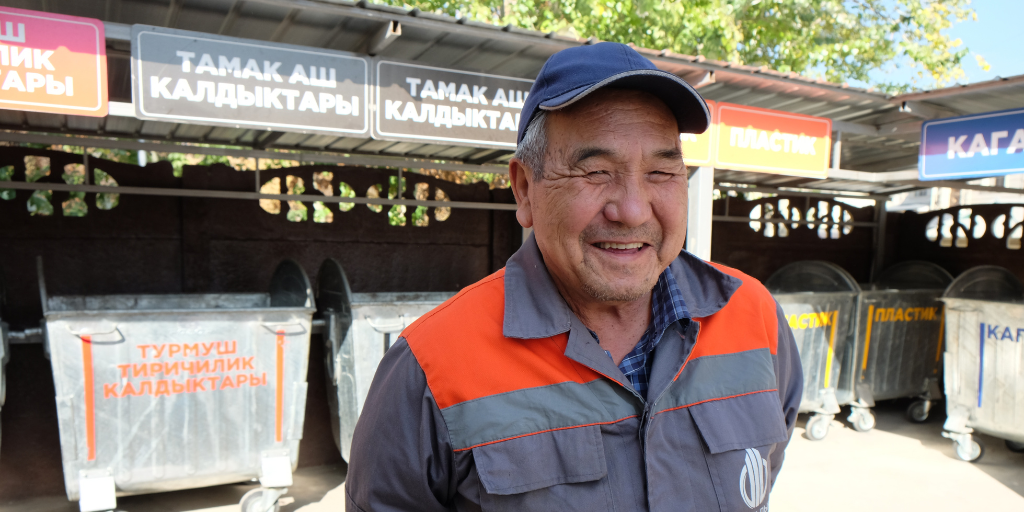
Can the EBRD deliver effective sustainable infrastructure in the transport and municipal sectors?
Publication | 1 February, 2024This briefing makes recommendations aimed at contributing to the preparation of the EBRD’s new Sustainable Infrastructure Strategy.
Read more
The Western Balkans residential Green Economy Financing Facility: Results so far and recommendations for further action
Publication | 31 January, 2024This briefing assesses the effectiveness of the energy efficiency credit lines for households financed through the Green Economy Financing Facility, in terms of environmental sustainability and attractiveness for users in all six Western Balkan countries.
Read more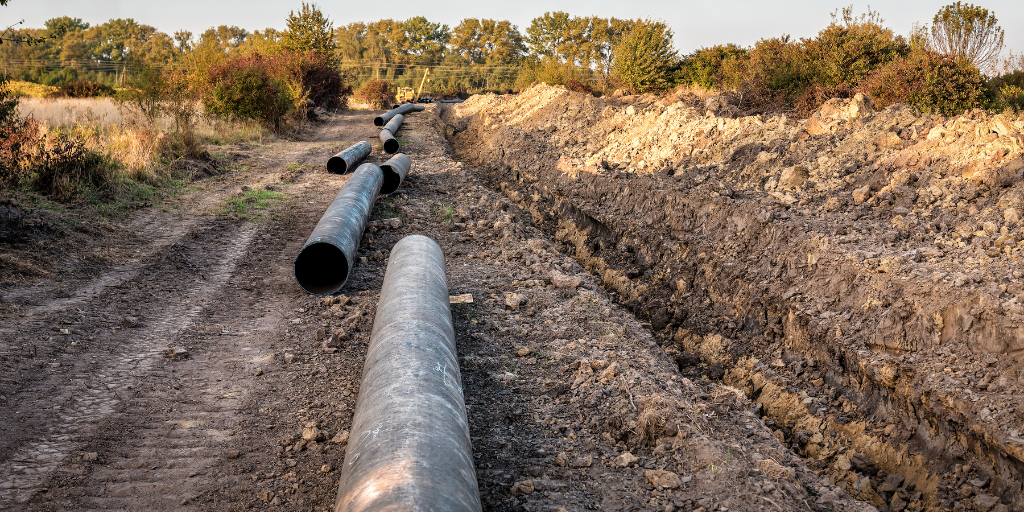
New study offers reality check on fossil gas in North Macedonia
Blog entry | 30 January, 2024North Macedonia has ever-more-ambitious plans to increase the use of fossil gas. But these were developed before the recent energy crisis. In addition to the climate havoc, import dependence and fossil-fuel lock-in wrought by gas, a new study shows that pipeline construction costs have increased, high household gasification rates are unlikely, and significant household solar, heat pumps or retrofits could be financed instead.
Read more
Civil society comments on the EBRD’s good governance policies with focus on human rights due diligence
Publication | 15 January, 2024Together with other civil society organisations, Bankwatch submitted comments on the EBRD’s good governance policies, which are currently under revision.
Read more
