Statement on the EIB Group‘s response to economic consequence of COVID-19, May 2020
Publication | 19 May, 2020CEE Bankwatch Network’s statement on the EIB Group‘s response to economic consequence of COVID-19.
Read more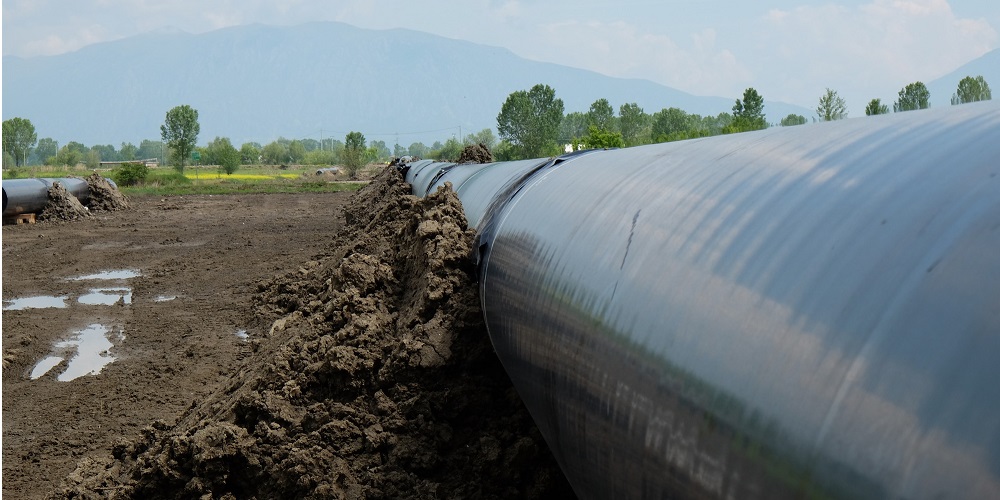
A herd of white elephants is approaching the EU’s neighbours
Blog entry | 30 April, 2020Over three quarters of the energy projects proposed by the EU’s neighbours for priority status, including privileged access to public funds, are fossil fuels projects.
Read moreEIB Climate Bank Roadmap
Publication | 29 April, 2020CEE Bankwatch Network’s submission for the Stakeholder engagement on the EIB Group’s Climate Bank Roadmap 2021-2025: Turning ambition into reality.
Read moreNGO letter to EIB President on Covid-19 crisis response
Publication | 28 April, 2020Bankwatch and 11 other civil society groups have written to President of the European Investment Bank, Werner Hoyer, to urge the bank to move quickly to solidify the EIB’s claim to be the “EU Climate Bank”, enhance its transparency, and make it a centr
Read more
The Commission must stay strong on EU sustainable investment criteria as they become law
Blog entry | 24 April, 2020As the European Commission moves to legislate on criteria regulating what can be defined as sustainable investments, Bankwatch warns that activities such as waste incineration, gas combustion and nuclear energy must not be allowed to sneak in at the last minute.
Read more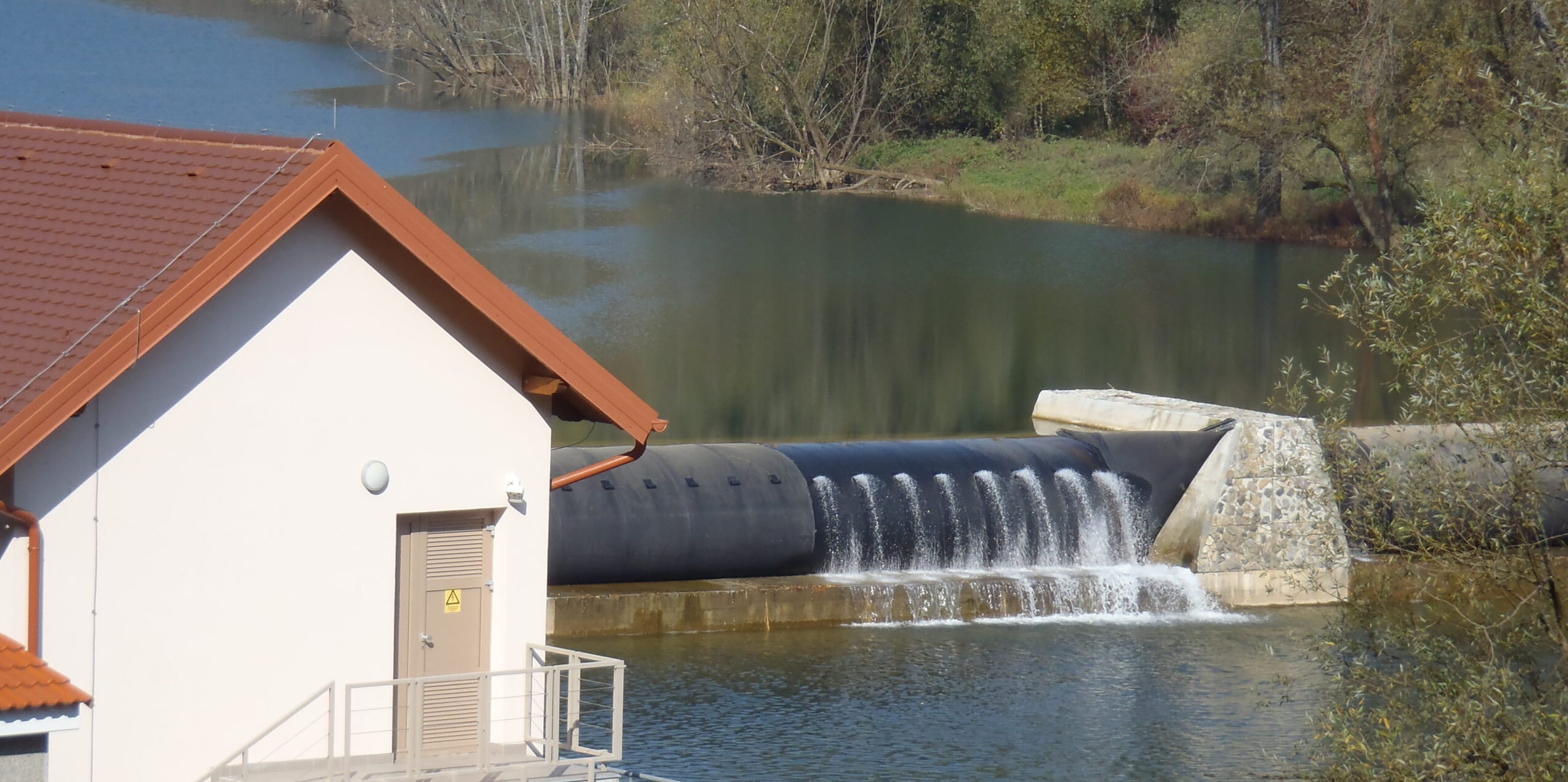
Croatian hydropower plant highlights loopholes in EIB environmental policies
Blog entry | 2 April, 2020The EIB-financed Ilovac hydropower plant was built on the river Kupa in north-west Croatia at around the same time as scientists established the existence of a new fish species there – Alburnus sava. Since the dam’s construction, the species has not been found at the site. Has Alburnus sava’s habitat been degraded for just 1.4 MW of installed power?
Read more
Gone with the Flow, A case study of biodiversity loss caused by Ilovac Hydropower plant, Croatia
Publication | 2 April, 2020This case study aims to demonstrate that the EIB’s environmental and social (E&S) and transparency policies are insufficiently equipped to prevent the negative impacts of hydropower plants on sensitive ecosystems, in particular when the hydropower project (1) is financed via an intermediary bank and/or (2) is located outside of the EU.
Read moreClimate action at the European Investment Bank: an overview
Publication | 13 December, 2019The EIB had already proclaimed itself the EU’s climate bank long before the vdLeyen EU Commission presented the idea of transforming a part of the Bank into Europe’s Climate Bank. It has been over a decade now since the EIB committed at least 25% of its finance to support the transition to a low-carbon and climate-resilient economy.
Read more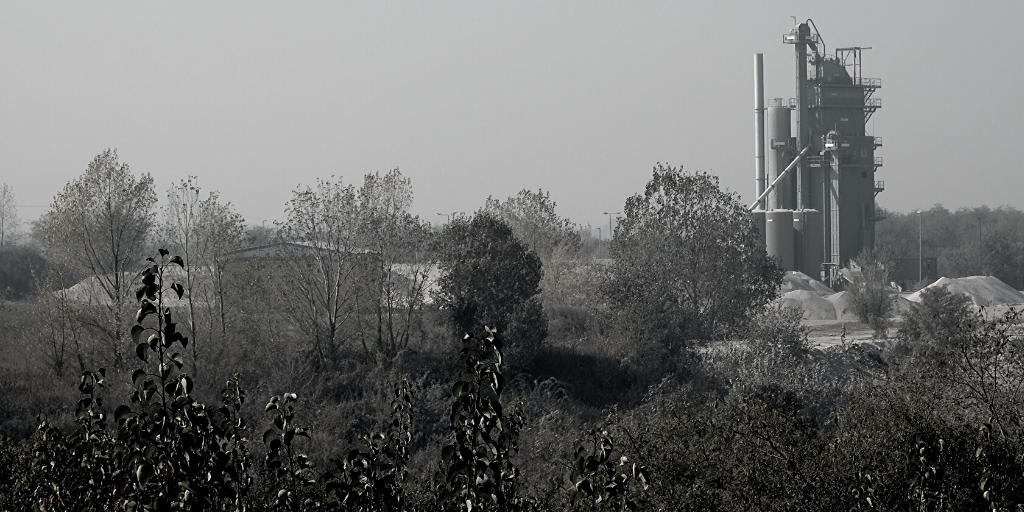
New analysis: Belgrade incinerator public-private partnership a textbook case of corporate capture
Press release | 4 December, 2019The Belgrade solid waste public-private partnership (PPP) has been plagued by legal irregularities and circumvented binding decision-making processes, finds a new analysis published today by CEE Bankwatch Network, Counter Balance and Zero Waste Europe.
Read more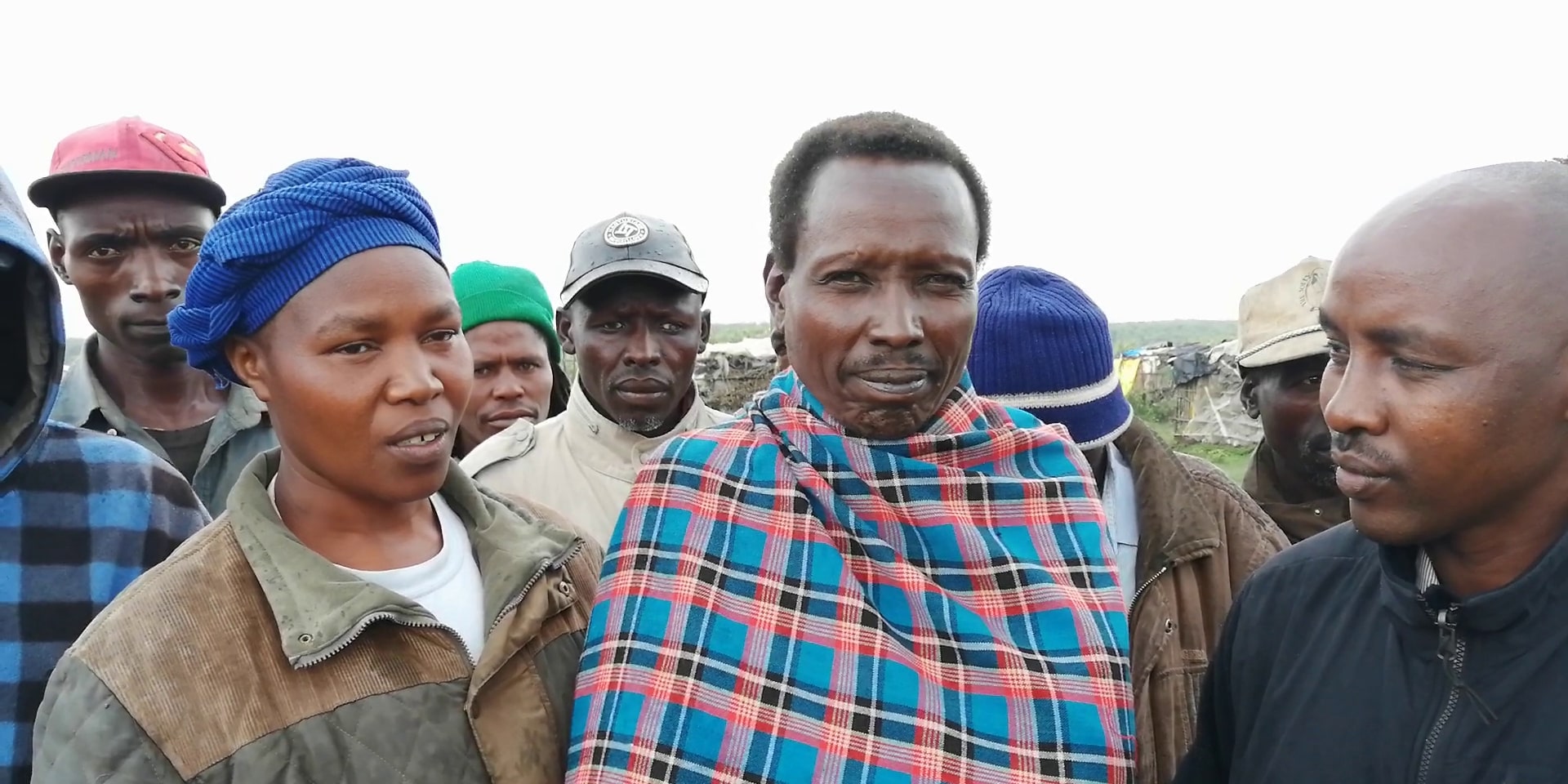
Dirty palms: European Development Banks need better due diligence and accountability to prevent human rights abuses
Blog entry | 29 November, 2019Long considered the standard-setters in the world of development finance, Multilateral Development Banks are now at an important junction. Europe’s development financiers must step up their accountability and commitment to protection of people and nature.
Read more
