Europe has ambitions to become the first climate–neutral continent. But transforming energy systems, especially in central and eastern Europe, requires substantial investment due to outdated infrastructure and reliance on fossil fuels.
While the EU budget currently funds this transition, the key challenge is to ensure impactful, high-quality investments that are both environmentally and socially just.
Involving citizens in investment decisions leads to better outcomes, including greater acceptance, a stronger sense of ownership, and fewer harmful projects.
Bankwatch works to align EU financial flows with the European Green Deal objectives, ensuring they meet the needs of people and the planet.
IN FOCUS
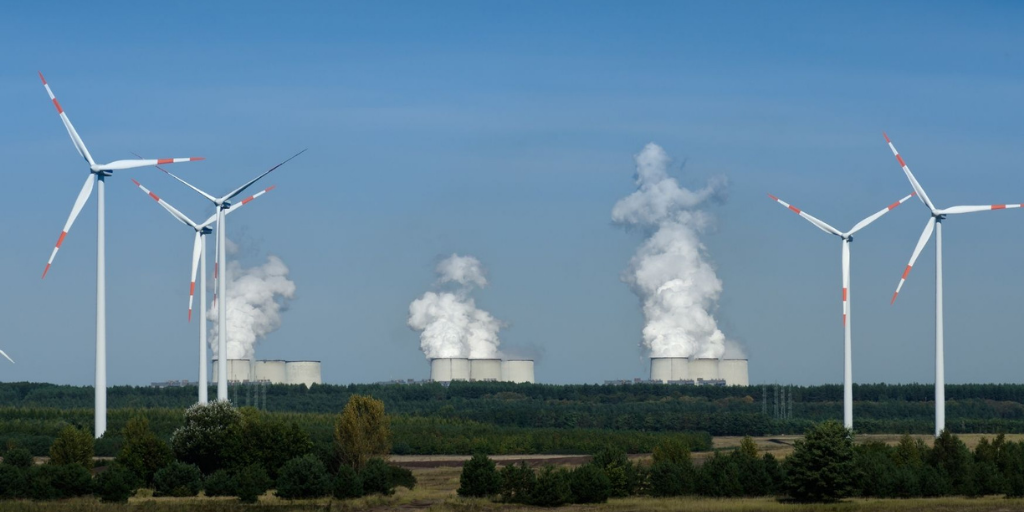
Just transition
Countries across central and eastern Europe are committing to quit coal and shale oil. Now the task is to ensure that the just transition is driven from the bottom up and leaves no one behind as we move towards a sustainable energy future.
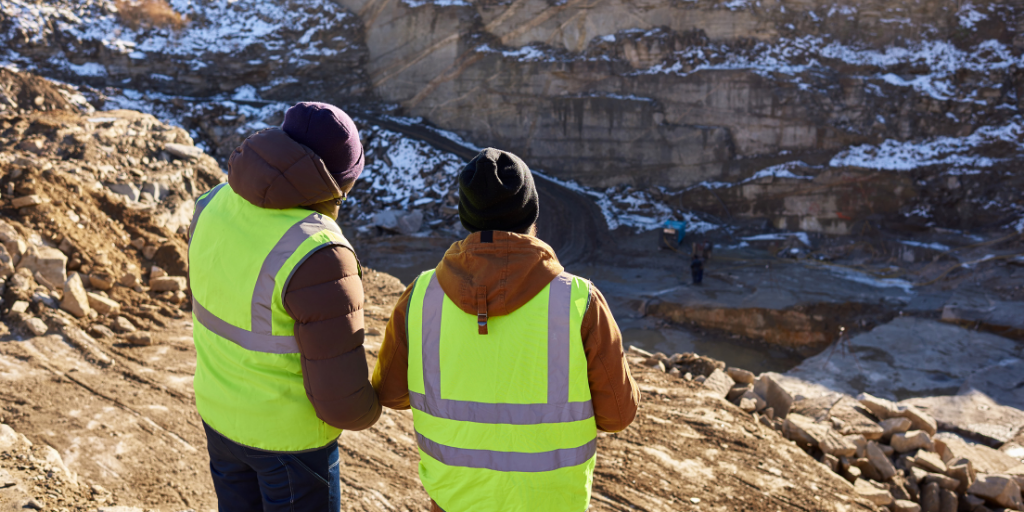
Building back biodiversity
Threats facing biodiversity are increasing alongside the drivers of the climate crisis. But investments in climate protection should not come at the expense of those that can help biodiversity. The two crises of climate and biodiversity are interconnected and both must be tackled together, because only by investing in nature can we tackle climate change.

RegENERate: Mobilising Regions for Energetic Re-development and Transformative NECPs
The overall objective of the project is to support the CEE countries’ contribution to the EU efforts towards a net-zero emissions future. The project will contribute to more ambitious and effective climate and energy policies in CEE, backed by a long-term commitment to phase out fossil fuels, improve energy efficiency and promote renewable energy.
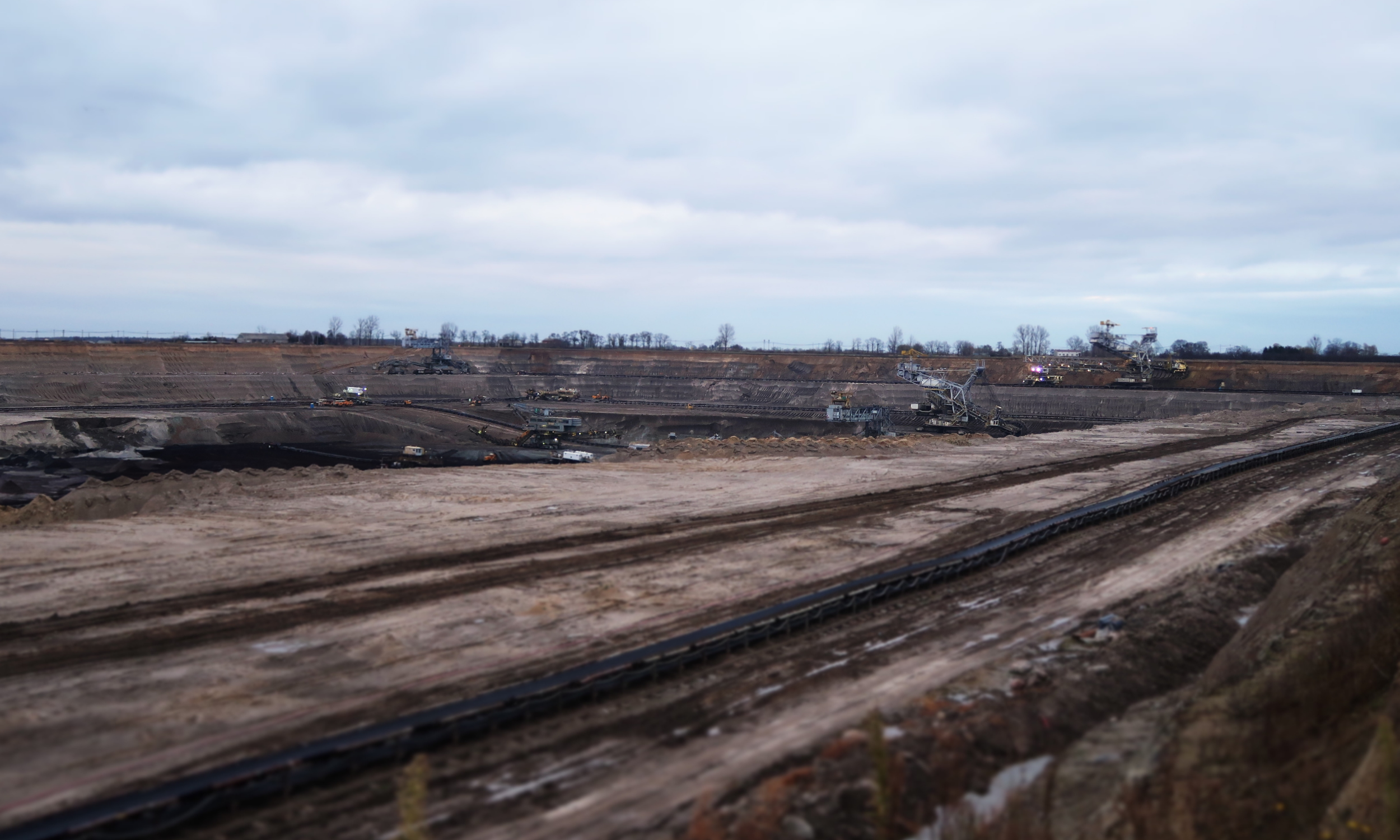
RePower the Regions: Ambitious and inclusive clean energy plans for repowering the just transition regions
The participation and leadership of carbon-intensive regions in transitioning to clean energy solutions are prerequisites for achieving EU climate neutrality by 2050. Building on this premise, RePower the Regions aims to ensure that the regions’ clean energy plans are aligned with EU 2030 climate goals and have strong support locally, and to provide practical guidelines and roadmaps on how to repower the regions.
Latest news
Bulgaria, Hungary, Poland trail as EU recovery fund closes, Bankwatch says
Bankwatch in the media | 12 October, 2026Hungary, Bulgaria and Poland are trailing the rest of the EU in drawing on the bloc’s post-pandemic recovery fund as it enters its final phase, with Romania, Slovakia and Czechia close behind, environmental watchdog CEE Bankwatch Network said.
Read moreEU’s biggest-ever recovery fund faces final judgement – did it benefit citizens?
Press release | 30 September, 2026The Recovery and Resilience Facility, the EUR 577 billion flagship instrument of NextGenerationEU, has entered its final implementation phase. Today marks the non-extendable deadline for EU Member States to submit their final payment requests for post-pandemic recovery and reform projects.
Read moreDeath by a thousand transmission lines
Blog entry | 6 August, 2026The EBRD-backed development of the 400/110/35 kV Brezna substation for Montenegro’s transmission grid is opening several crucial questions – where is the red line beyond which a project’s impact on local communities makes it unacceptable? Can this even be assessed when all the institutions and financiers involved fail to identify even the obvious impacts? And why are the project’s backers so reluctant to provide environmental documentation to the affected people?
Read moreRelated publications
Repower communities – not fossil fuels. Analysis of the revised national recovery and resilience plans of 15 Member States
Briefing | 11 October, 2023 | Download PDFThe aim of this briefing is to provide an overview of all the revised and submitted national recovery and resilience plans, which include additional reforms and investments.
Guidelines for selecting just transition projects
Guidelines | 10 October, 2023 | Download PDFThis guide is intended to help local decision-makers select projects aimed at achieving a sustainable energy transition in a diverse, objective and fair manner. It is hoped that it will raise the level of ambition for sustainable solutions in the regions and enable funds to be spent in a way that is consistent with the just transition goals.
Planning for social justice in Territorial Just Transition Plans in central and eastern Europe. September 2023 update – part II
Briefing | 28 September, 2023 | Download PDFThis briefing’s main objective is to provide an analysis of how the Territorial Just Transition Plans for seven countries (the Czech Republic, Estonia, Hungary, Latvia, Poland, Romania and Slovakia) approach social issues related to the impacts of the transition on women, youth and various other vulnerable groups.

