Europe has ambitions to become the first climate–neutral continent. But transforming energy systems, especially in central and eastern Europe, requires substantial investment due to outdated infrastructure and reliance on fossil fuels.
While the EU budget currently funds this transition, the key challenge is to ensure impactful, high-quality investments that are both environmentally and socially just.
Involving citizens in investment decisions leads to better outcomes, including greater acceptance, a stronger sense of ownership, and fewer harmful projects.
Bankwatch works to align EU financial flows with the European Green Deal objectives, ensuring they meet the needs of people and the planet.
IN FOCUS
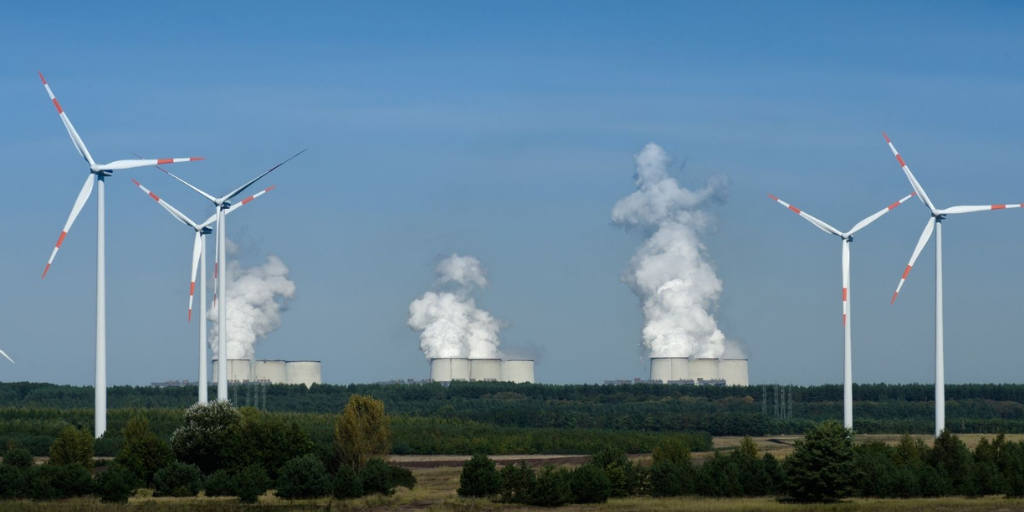
Just transition
Countries across central and eastern Europe are committing to quit coal and shale oil. Now the task is to ensure that the just transition is driven from the bottom up and leaves no one behind as we move towards a sustainable energy future.
Building back biodiversity
Threats facing biodiversity are increasing alongside the drivers of the climate crisis. But investments in climate protection should not come at the expense of those that can help biodiversity. The two crises of climate and biodiversity are interconnected and both must be tackled together, because only by investing in nature can we tackle climate change.

RegENERate: Mobilising Regions for Energetic Re-development and Transformative NECPs
The overall objective of the project is to support the CEE countries’ contribution to the EU efforts towards a net-zero emissions future. The project will contribute to more ambitious and effective climate and energy policies in CEE, backed by a long-term commitment to phase out fossil fuels, improve energy efficiency and promote renewable energy.
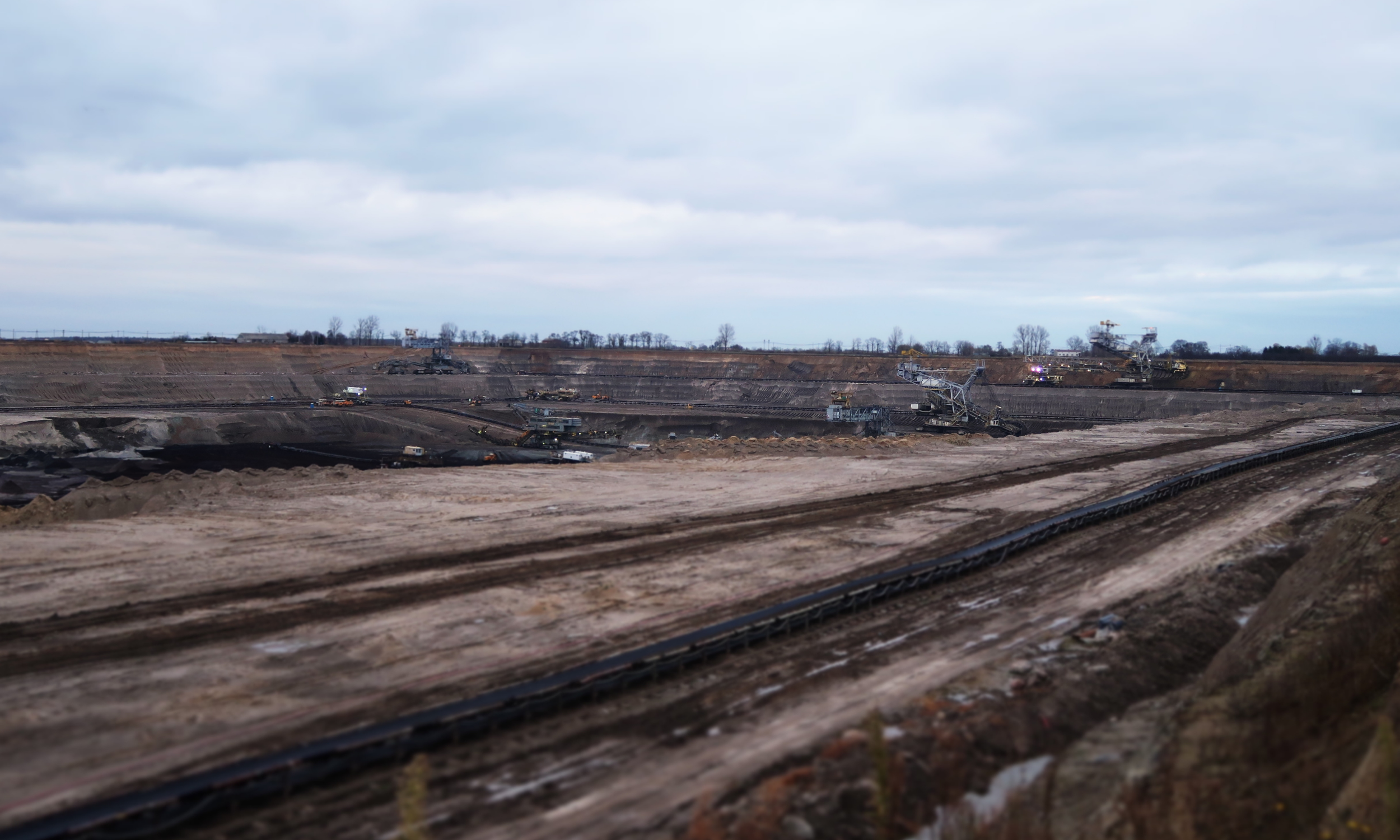
RePower the Regions: Ambitious and inclusive clean energy plans for repowering the just transition regions
The participation and leadership of carbon-intensive regions in transitioning to clean energy solutions are prerequisites for achieving EU climate neutrality by 2050. Building on this premise, RePower the Regions aims to ensure that the regions’ clean energy plans are aligned with EU 2030 climate goals and have strong support locally, and to provide practical guidelines and roadmaps on how to repower the regions.
Latest news
The post-2030 Modernisation Fund – a carrot for central and eastern European Member States?
Blog entry | 20 November, 2026The Commission’s proposal to extend the Modernisation Fund until 2040 offers central and eastern European (CEE) Member States the prospect of continued funding to modernise their energy systems, but with future resources dependent on the carbon price, and new fossil gas investments finally excluded from support.
Read moreFrom old pipes to a new energy future: Slovak town of Partizánske takes major step forward
Blog entry | 10 November, 2026Since 2022, Friends of the Earth-CEPA has been working with the town of Partizánske, in Slovakia’s Upper Nitra coal region, to transform its ageing district heating system into one that is cleaner, more efficient and better prepared for the future.
Read moreCash for reforms: Lessons from Bulgaria’s recovery plan
Blog entry | 9 November, 2026Since joining the EU in 2007, Bulgaria has absorbed about BGN 32 billion (EUR 16.4 billion) in EU funds, most of it spent on infrastructure such as the Sofia metro and motorways, according to a January 2025 analysis by the Institute for Market Economics, a Bulgarian think-tank.
Read moreRelated publications
Guide: Eight steps for a just transition
Briefing | 2 November, 2017 | Download PDFJust transition is a development model based on locally designed public policies to create the context for a fair income and a decent life for all workers and communities affected by pollution reduction measures. This guide offers some pointers for ini
Sustainable alternatives to brown coal mining in the Upper Nitra region of Slovakia
Briefing | 28 July, 2017 | Download PDFThe great coal jobs fraud – unrealistic employment claims in southeast Europe
Study | 14 November, 2016 | Download PDFThis report reveals how and why promises for new jobs in south-east Europe’s coal sector are exaggerated. Hardly any coal operations across the region are economically viable, and as a result many coal workers, especially in the mines, are set to lose their jobs, even if the plans for countless new power plants materialise. Governments, coal workers and their wider communities need to work together towards a just transition.