Rosia Montana gold mine, Romania
In 1999, Gabriel Resources, the Canadian mining company, was granted the right to mine gold in the Rosia Montana area in Romania. Rosia Montana was to become Europe’s largest open-cast gold mining project. As Gabriel, the Barbados-registered company with no mining experience whatsoever, is seeking to keep its costs low, they plan to use the controversial cyanide leaching method.
This is an archived project. The information here may be out of date.
Learn more about our current projects and sign up for the latest updates.
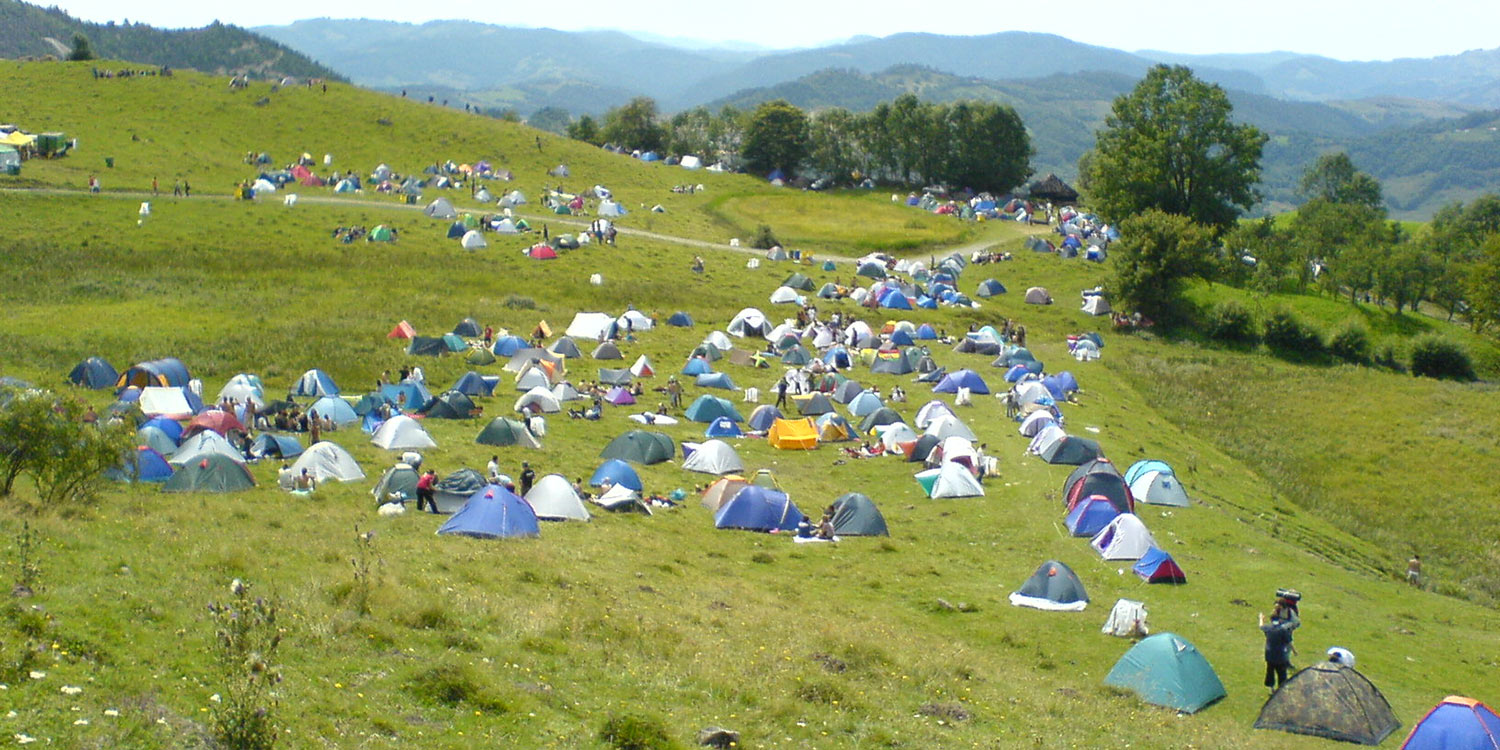
The "FânFest" music festival in support of the Save Roşia Montană campaign.
Stay informed
We closely follow international public finance and bring critical updates from the ground.
Background
In 1999, Gabriel Resources, the Canadian mining company, was granted the right to mine gold in the Rosia Montana area in Romania. Rosia Montana was to become Europe’s largest open-cast gold mining project. As Gabriel, the Barbados-registered company with no mining experience whatsoever, is seeking to keep its costs low, they plan to use the controversial cyanide leaching method.
The project involves the resettlement and relocation of 1800 people living in 740 houses and 138 flats, as well as eight churches and connected cemeteries: overall, 38 percent of the Rosia Montana commune area is to be affected by the new mining development.
Following strong local and international NGO protest, the World Bank’s International Finance Corporation (IFC) decided not to support the project in 2002. But the threat to the local community remains. With Gabriel Resources planning to go ahead with private capital, the need for continued support for people living in Rosia Montana is still very acute.
The local NGO Alburnus Maior to date continues its Rosia Montana campaign. Comprehensive information about the project and the campaign is available at the Rosia Montana campaign website.
Latest news
ONG-urile cer Guvernului să nu întreprindă niciun fel de procedură administrativă de blocare a candidaturii Roşiei Montane la UNESCO
Bankwatch in the media | 5 July, 2021Un număr de 74 de organizaţii active în domeniile protejării patrimoniului cultural, mediu, dezvoltare durabilă, tineret, social şi …
Read moreSix years later, a criminal investigation into illegal environment permits finally begins in Romania
Blog entry | 13 September, 2018In 2012, almost one hundred permits were issued to Oltenia Energy Complex (OEC), allowing the company to cut down hectares of forest to make way for coal mines. The permits were issued illegally, however, as Bankwatch Romania proved in court over the past six years. After many lawsuits and complaints to the relevant authorities, a sign of progress came this summer when the Romanian Ministry for Environment informed criminal investigation bodies about this situation.
Read moreBattles against cyanide continue in Romania
Blog entry | 30 April, 2015After the epic battle against the Rosia Montana gold mine in Romania ended in success, many people still don’t know that Romania and other countries in the region such as Bulgaria are still threatened by several gold mining proposals, some of which would involve the use of cyanide leaching.
Read more