Whether in Europe or beyond, public money must not become an auxiliary for human rights violations or the marginalisation of affected communities.
We expose cases where development banks fail to protect those impacted by their projects.
We advocate for participation and consultation processes that are not pro-forma exercises, but a tool to ensure people’s well-being.
We run a helpdesk where activists and communities can get advice on how to challenge controversial projects being considered for funding by development banks.
Close to frontline communities
We’re in direct contact with affected communities and provide updates from their struggles.
Image (c) Rosa Vroom
IN FOCUS
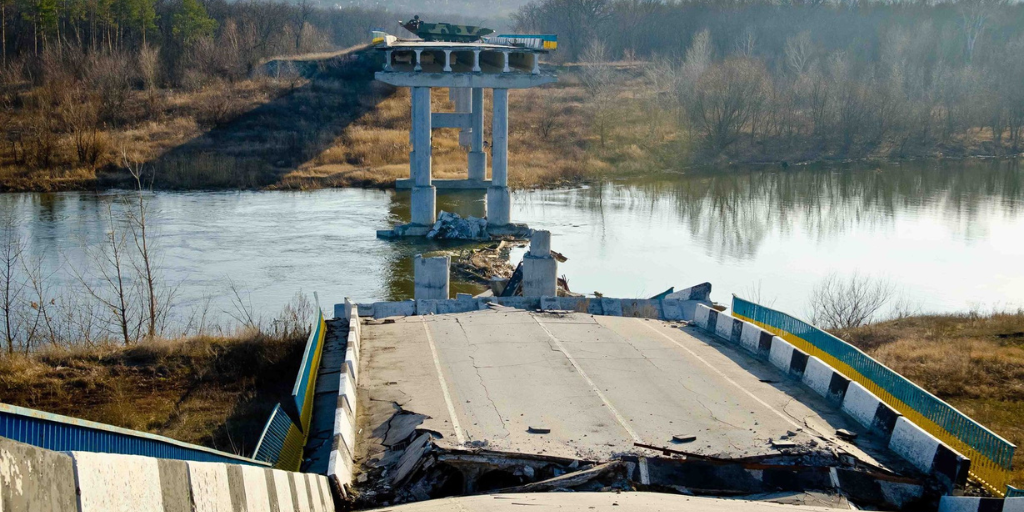
The Reconstruction of Ukraine
The scale of destruction caused by Russia’s aggression against Ukraine has been staggering. To repair the damage, joint efforts to coordinate donations and properly plan Ukraine’s reconstruction must start as soon as possible.
A successful reconstruction of Ukraine cannot happen without involvement of the Ukrainian people. That’s why we’re calling on international donors to ensure that the financial structures to help impacted communities are put in place and that civil society groups have a say in this process.
We believe that Ukraine and the international community have a unique opportunity to modernise the country while addressing people’s needs and long-term sustainability.
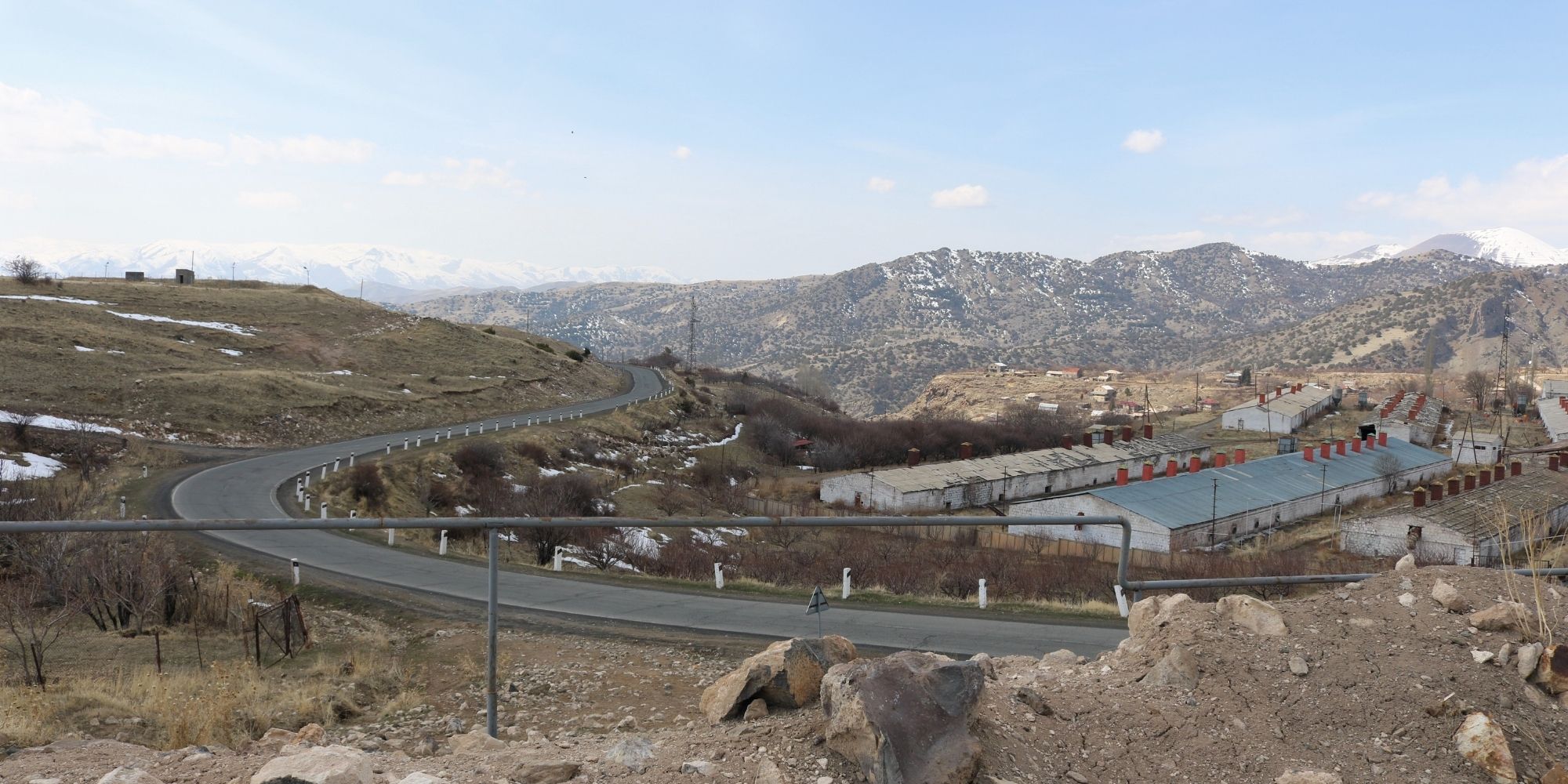
Amulsar gold mine, Armenia
The controversial Amulsar gold mine near the touristic spa town of Jermuk was supported by the EBRD equity investments, but blocked by locals after the velvet revolution in 2018. In spite of a number of legal threats and intimidation by the company, the blockade continued till the eruption of military conflict overNagorno Karabakh (Artsakh) at the end of 2020.
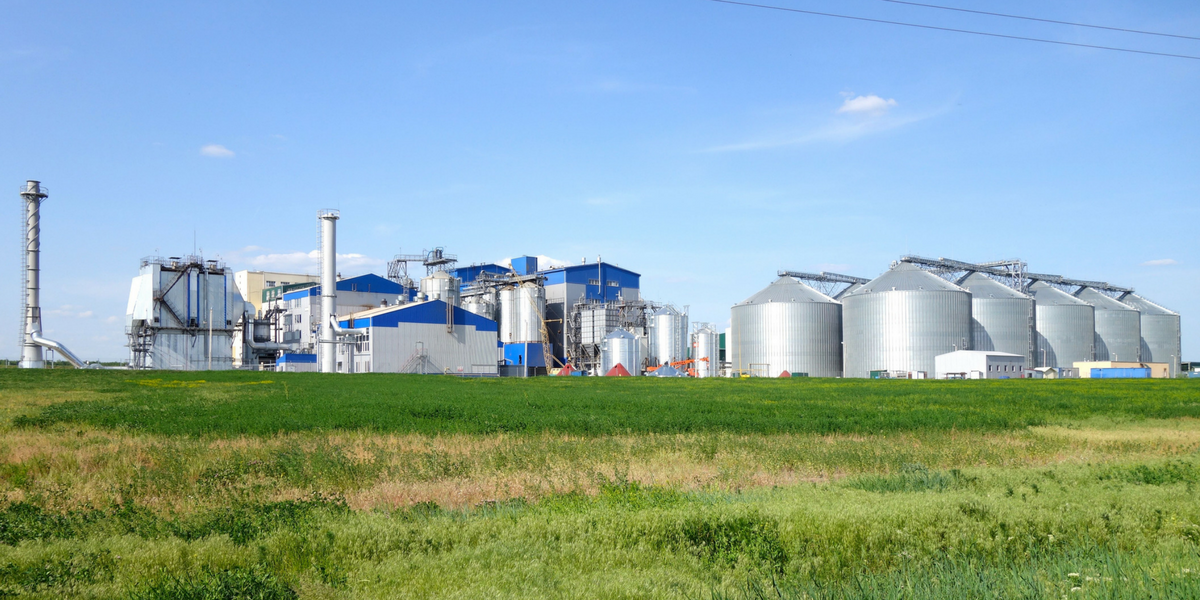
Myronivsky Hliboproduct (MHP), Ukraine
The leading Ukrainian agribusiness giant has been enjoying generous support in public funds and national subsidies. With over half a billion euros from the EBRD, EIB and the IFC, Myronivsky Hliboproduct PJSC (MHP) has grown into a near monopolist in poultry production. While MHP’s vertically integrated model has contributed to its status as a leading Ukrainian agribusiness, the scale and nature of its business have also contributed to mounting concerns about its social and environmental impacts. These concerns are compounded by patterns of poor community consultation and a lack of information provided about MHP’s operations, leaving project-affected people guessing about the true impacts of its operations.
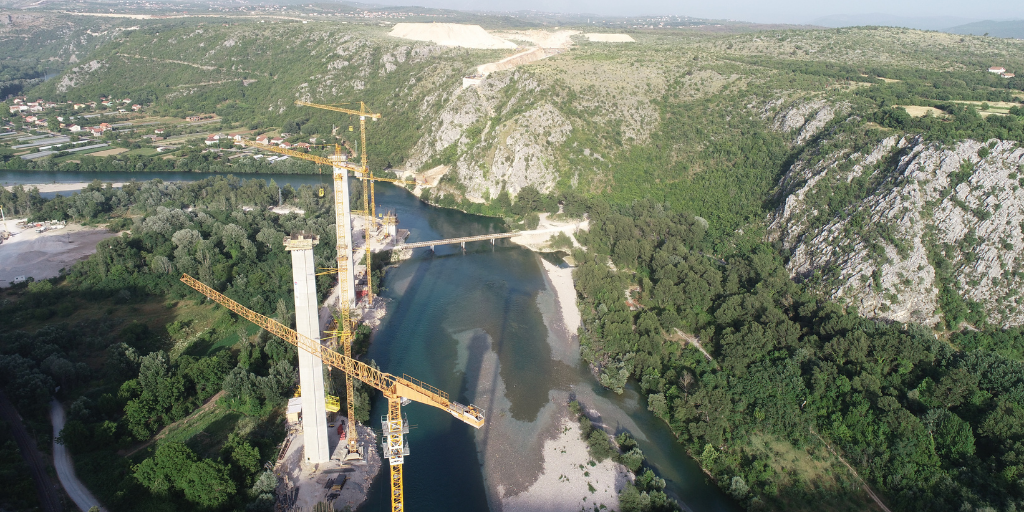
Corridor Vc motorway, Bosnia and Herzegovina
The Bosnian section of the international Corridor Vc is planned to run for 330 km through Bosnia and Herzegovina. Concerns about environmental impacts and threats to cultural heritage were raised by local people and cultural figures. The public discussions about the project have led to a series of scandals and a deadlock of the motorway’s development.
More of our projects
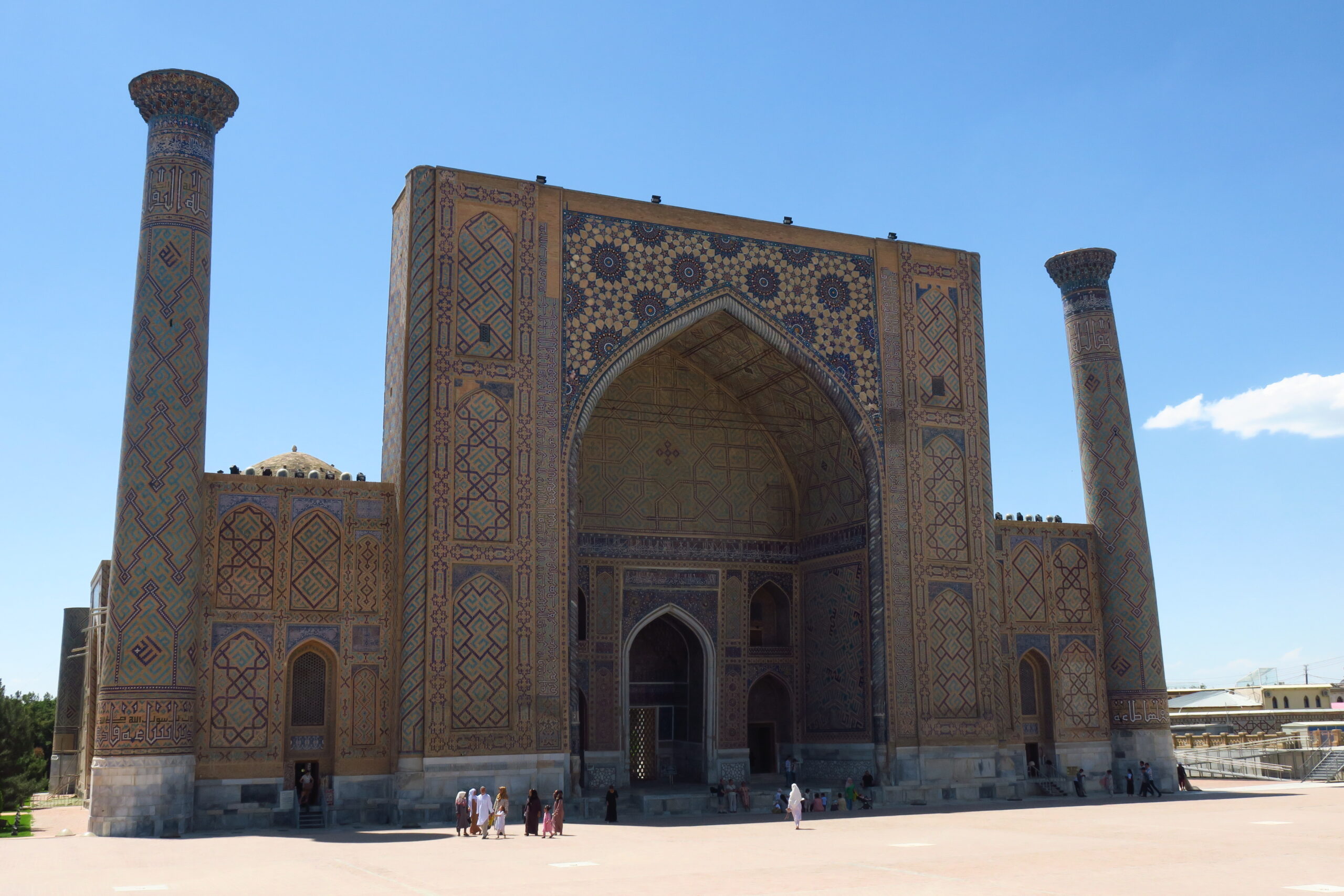
Enabling Civic Engagement in Uzbekistan
CEE Bankwatch Network and Human Rights Society of Uzbekistan ‘Ezgulik’, with financial support from the EU, are implementing the project ‘Enabling Civic Engagement in Uzbekistan’, aimed at strengthening the capacity of civil society organisations and empowering them to participate effectively in development projects and programmes across Uzbekistan.
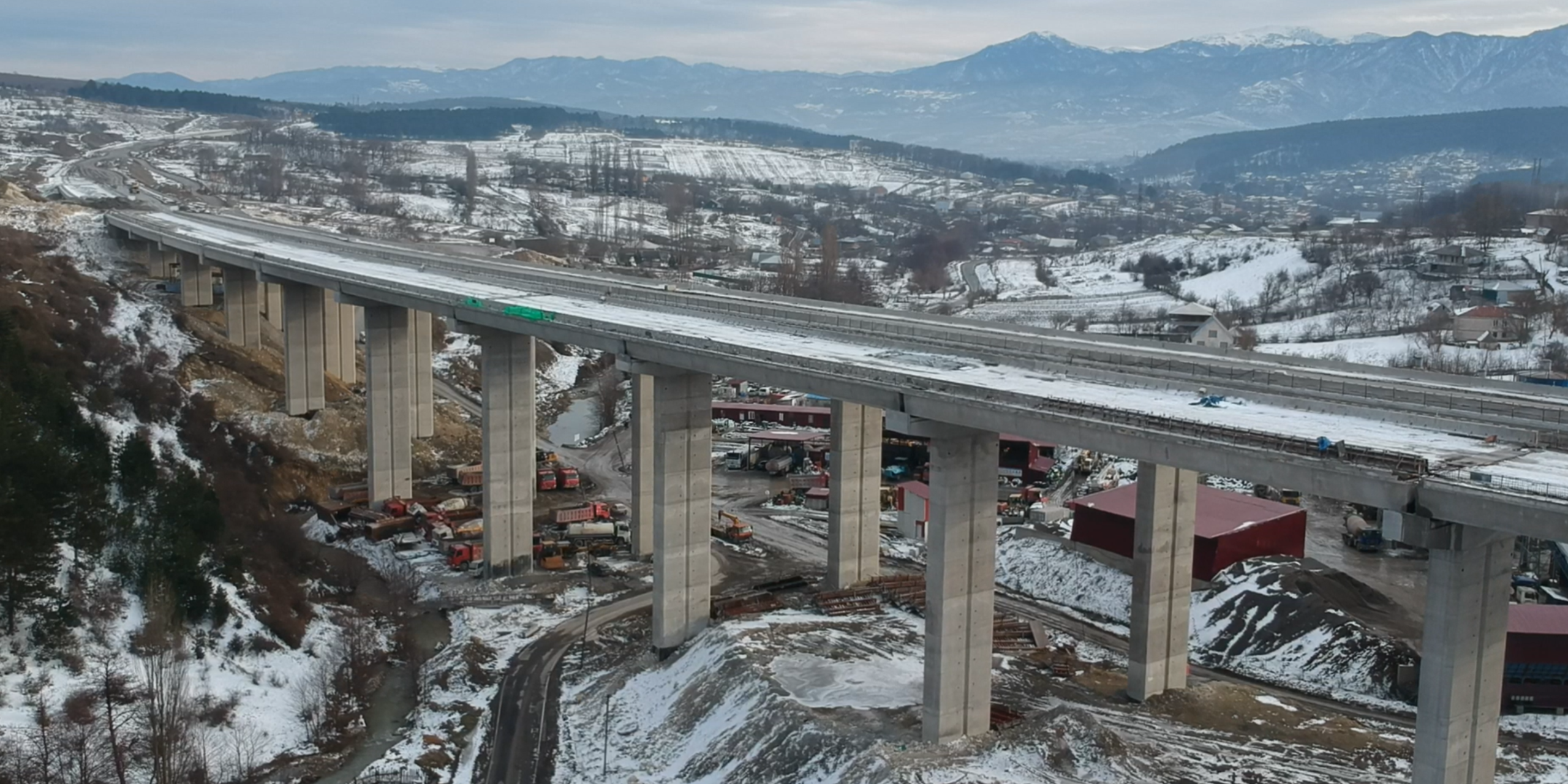
Georgia’s East–West and North–South road projects: Counting the true costs of highway expansion
The East–West Highway and the North–South Corridor – two key road infrastructure projects supported by major multilateral development banks, have had devastating social, environmental and cultural impacts in Georgia.
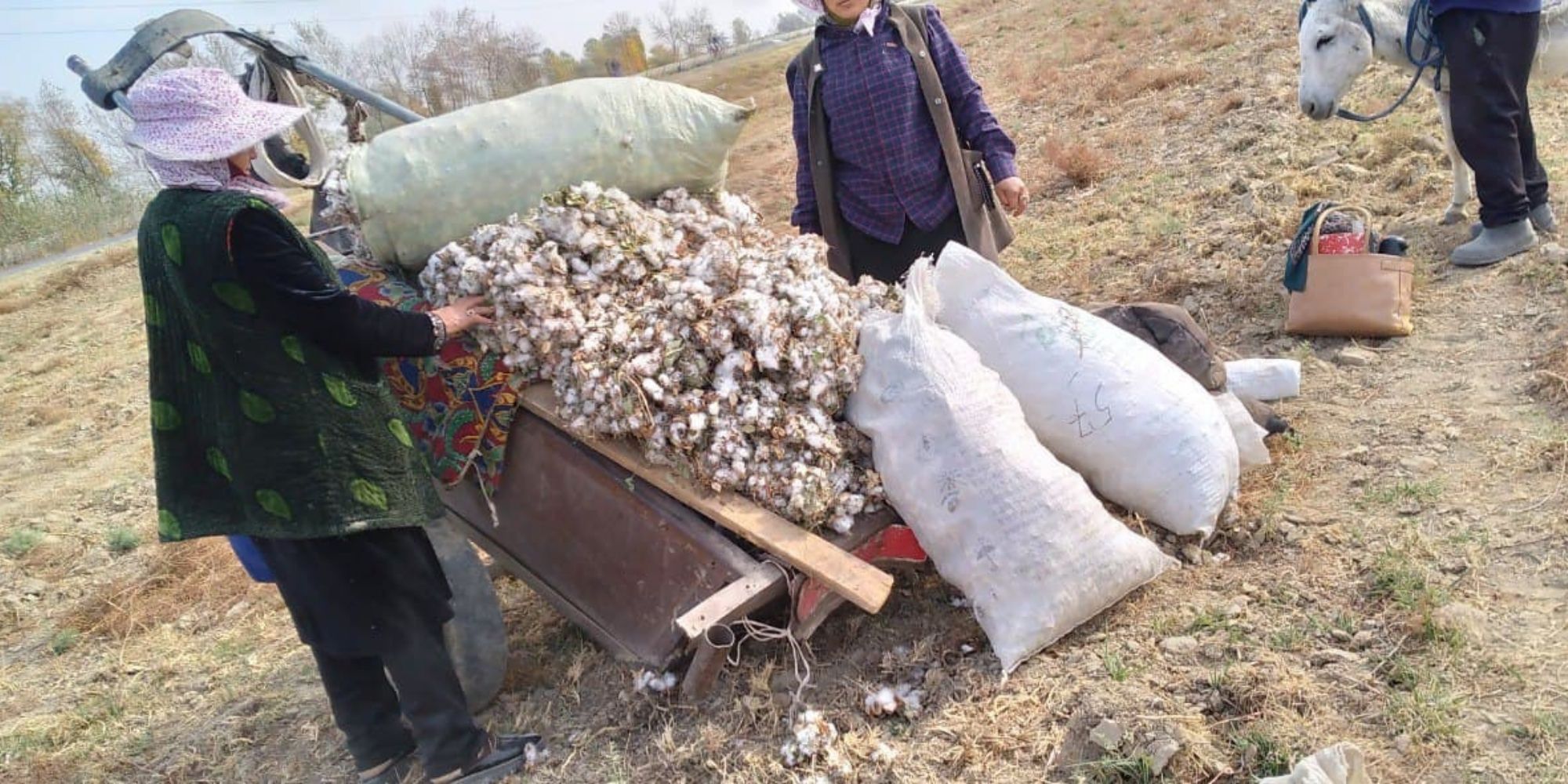
Indorama Agro: Uzbekistan’s infamous cotton producer
Despite being Uzbekistan’s largest cotton producer and receiving millions in development loans from the European Bank for Reconstruction and Development (EBRD), the Asian Development Bank (ADB) and the International Finance Corporation (IFC) – institutions that promote modernisation and corporate responsibility – Indorama Agro faces multiple complaints of worker mistreatment and retaliation.
Latest news
Italian mayor stands up against EU priority gas pipeline
Blog entry | 8 June, 2015Local opposition against the Trans-Adriatic gas pipeline (TAP) is growing as an Italian mayor made clear in an open letter to the European Commission and European public banks.
Read moreWill energy efficiency be sidelined in the Energy Union’s implementation?
Blog entry | 8 June, 2015EU energy ministers are meeting in Brussels today to discuss the implementation of the Energy Union. Looking at what has been discussed so far, the strategy may not prioritise energy efficiency enough to help Europe become climate-friendly.
Read moreВ Национальном экологическом центре обеспокоились спешкой при устранении недостатков на Южно-Украинской АЭС
Bankwatch in the media | 15 May, 2015Государственная инспекция ядерного регулирования не продлила лицензию для второго энергоблока Южно-Украинской АЭС, ссылаясь на его несоответствие требованиям ядерной безопасности. Однако оператор АЭС «Энергоатом» планирует устранить несколько десятков замечаний уже к декабрю этого года, что вызвало обеспокоенность экспертов. Об этом говорится в постановлении Коллегии Госатомрегулирования от 30 апреля 2015 года.
Read moreRelated publications
Updated civil society proposals for amendments to the Ukraine Plan ahead of its next review
Policy comments | 12 October, 2026 | Download PDFIn March 2026, together with our partner organisations, we submitted a joint statement setting out 34 proposals for amendments to the Ukraine Plan, based on the Roadmap for the Sustainable Recovery of Ukraine. In June, the Ukrainian government agreed amendments to the Plan with the European Commission, and on 30 July 2026 the Council approved them, opening the way for an additional EUR 8.3 billion in support for Ukraine in 2026 through the Ukraine Support Loan.
Corridor Vc in Bosnia and Herzegovina: The public cost of weak governance
Briefing | 7 September, 2026 | Download PDFThe Corridor Vc motorway through Bosnia and Herzegovina was due to be completed in 2012. As of August 2026, however, only around 45% of the route has been built, with costs climbing to nearly EUR 5.2 billion. This briefing examines nine cases along the motorway that together reveal a pattern of cost increases and delays, corruption allegations, disputed procurement, unresolved property disputes, and communities excluded from key decisions.
Ukraine’s Mount Runa at risk: Oschadbank’s compliance with EBRD environmental standards while financing a wind power plant
Issue paper | 27 August, 2026 | Download PDFThis issue paper examines the environmental and social risks associated with the planned 156-megawatt Mount Runa wind farm in the Ukrainian Carpathians and the role of financing by Oschadbank, the European Bank for Reconstruction and Development (EBRD)’s financial intermediary. The paper also details the environmental and social risk requirements applicable to EBRD intermediary financing.

