Whether in Europe or beyond, public money must not become an auxiliary for human rights violations or the marginalisation of affected communities.
We expose cases where development banks fail to protect those impacted by their projects.
We advocate for participation and consultation processes that are not pro-forma exercises, but a tool to ensure people’s well-being.
We run a helpdesk where activists and communities can get advice on how to challenge controversial projects being considered for funding by development banks.
Close to frontline communities
We’re in direct contact with affected communities and provide updates from their struggles.
Image (c) Rosa Vroom
IN FOCUS
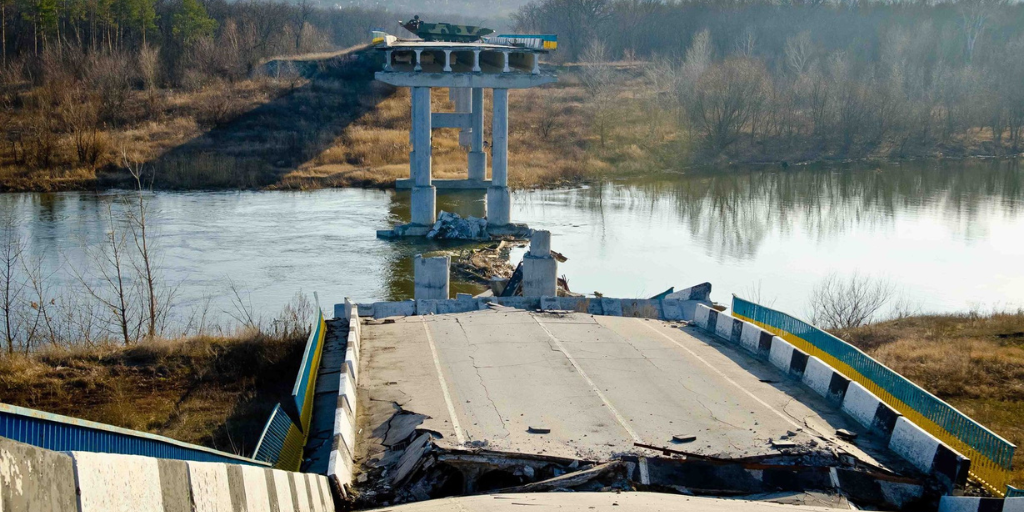
The Reconstruction of Ukraine
The scale of destruction caused by Russia’s aggression against Ukraine has been staggering. To repair the damage, joint efforts to coordinate donations and properly plan Ukraine’s reconstruction must start as soon as possible.
A successful reconstruction of Ukraine cannot happen without involvement of the Ukrainian people. That’s why we’re calling on international donors to ensure that the financial structures to help impacted communities are put in place and that civil society groups have a say in this process.
We believe that Ukraine and the international community have a unique opportunity to modernise the country while addressing people’s needs and long-term sustainability.
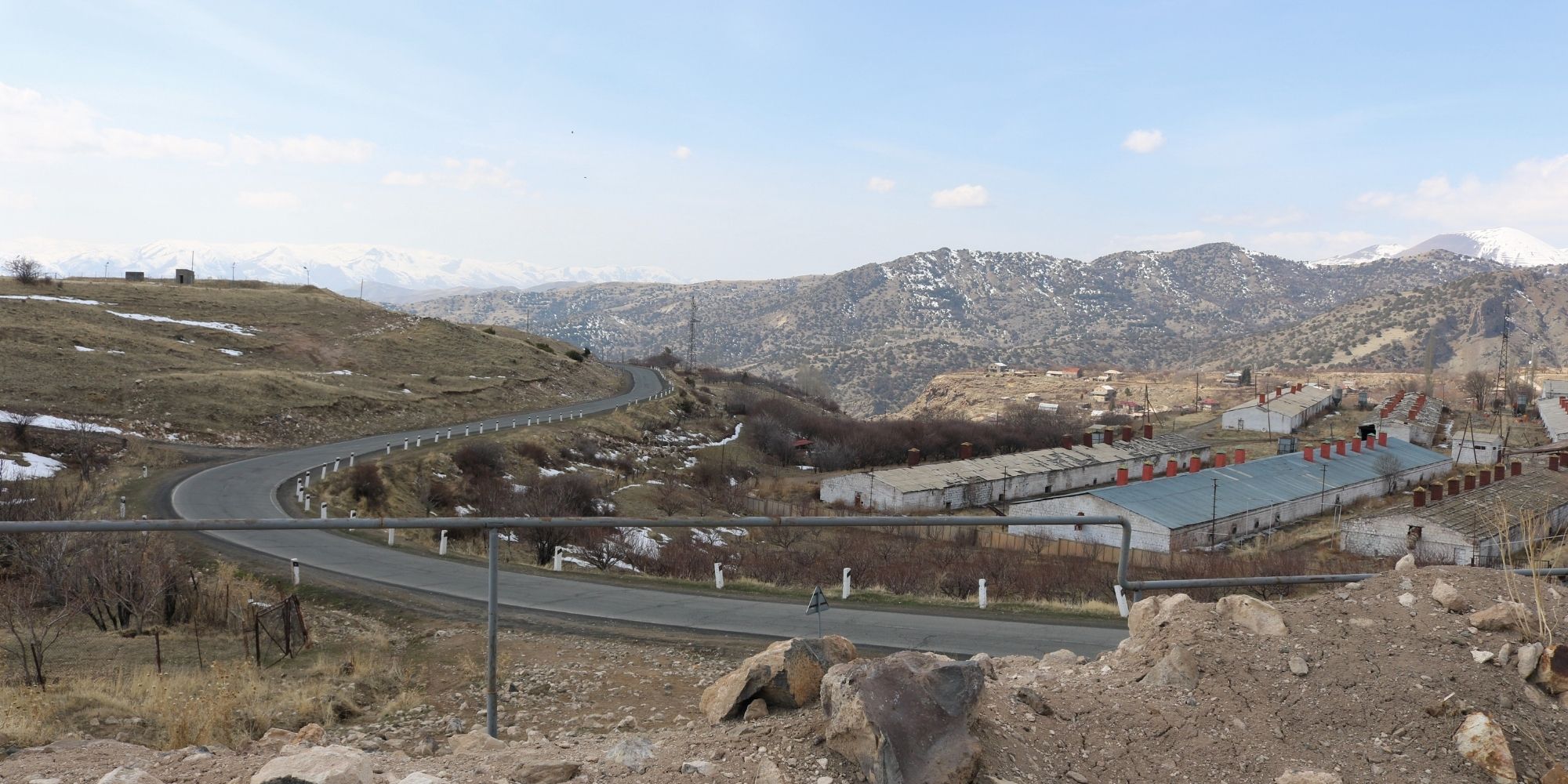
Amulsar gold mine, Armenia
The controversial Amulsar gold mine near the touristic spa town of Jermuk was supported by the EBRD equity investments, but blocked by locals after the velvet revolution in 2018. In spite of a number of legal threats and intimidation by the company, the blockade continued till the eruption of military conflict overNagorno Karabakh (Artsakh) at the end of 2020.
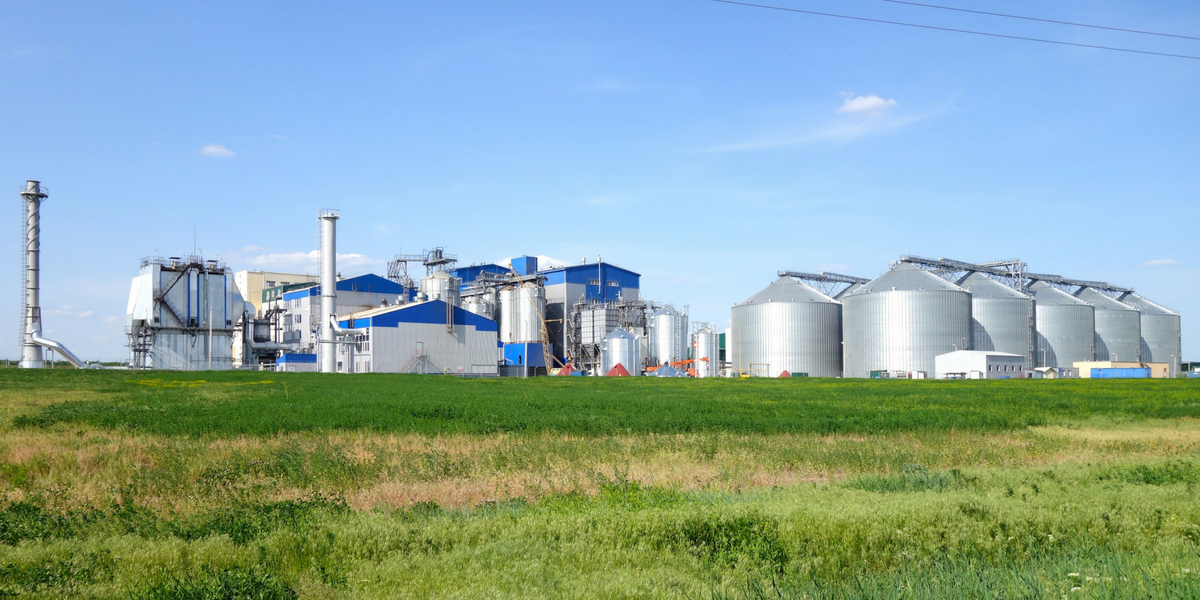
Myronivsky Hliboproduct (MHP), Ukraine
The leading Ukrainian agribusiness giant has been enjoying generous support in public funds and national subsidies. With over half a billion euros from the EBRD, EIB and the IFC, Myronivsky Hliboproduct PJSC (MHP) has grown into a near monopolist in poultry production. While MHP’s vertically integrated model has contributed to its status as a leading Ukrainian agribusiness, the scale and nature of its business have also contributed to mounting concerns about its social and environmental impacts. These concerns are compounded by patterns of poor community consultation and a lack of information provided about MHP’s operations, leaving project-affected people guessing about the true impacts of its operations.
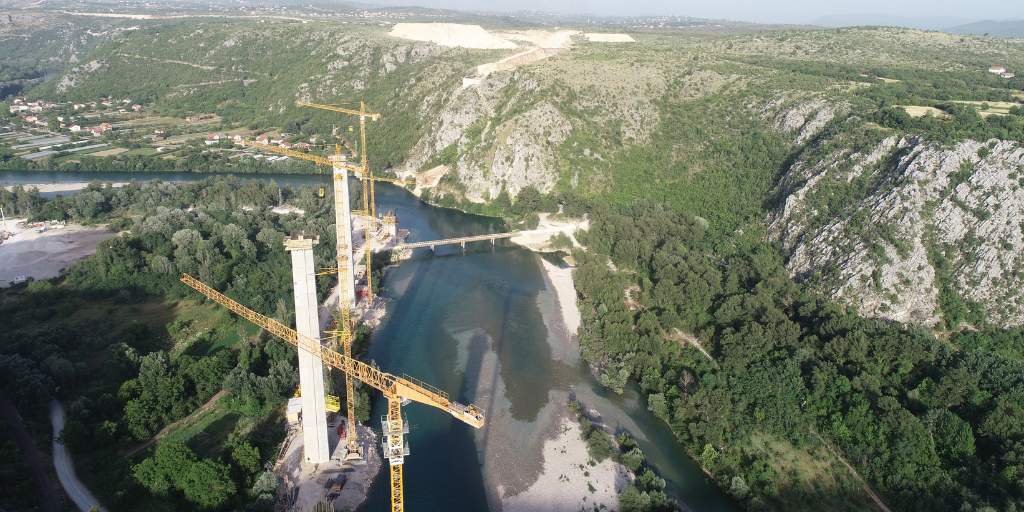
Corridor Vc motorway, Bosnia and Herzegovina
The Bosnian section of the international Corridor Vc is planned to run for 330 km through Bosnia and Herzegovina. Concerns about environmental impacts and threats to cultural heritage were raised by local people and cultural figures. The public discussions about the project have led to a series of scandals and a deadlock of the motorway’s development.
More of our projects
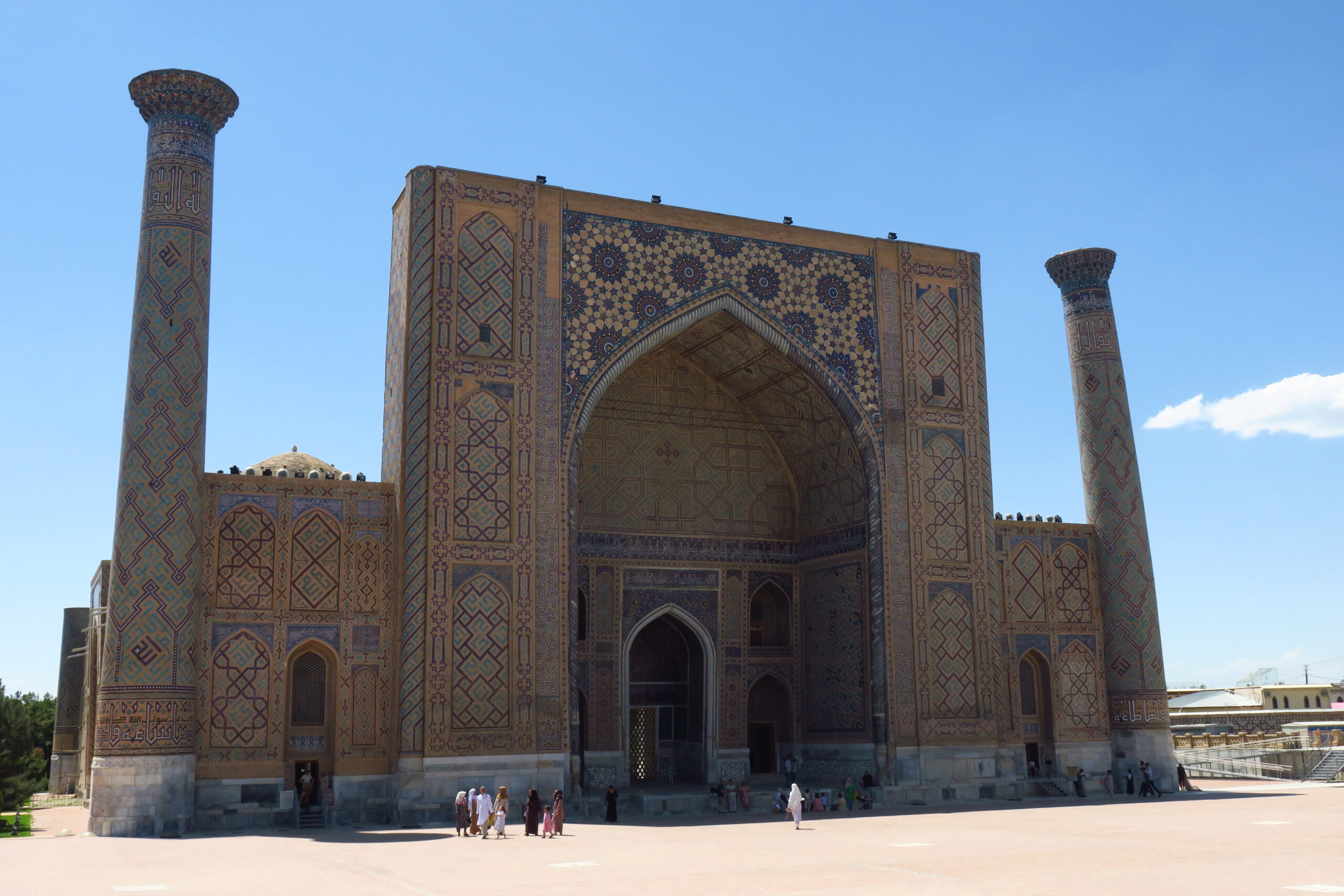
Enabling Civic Engagement in Uzbekistan
CEE Bankwatch Network and Human Rights Society of Uzbekistan ‘Ezgulik’, with financial support from the EU, are implementing the project ‘Enabling Civic Engagement in Uzbekistan’, aimed at strengthening the capacity of civil society organisations and empowering them to participate effectively in development projects and programmes across Uzbekistan.
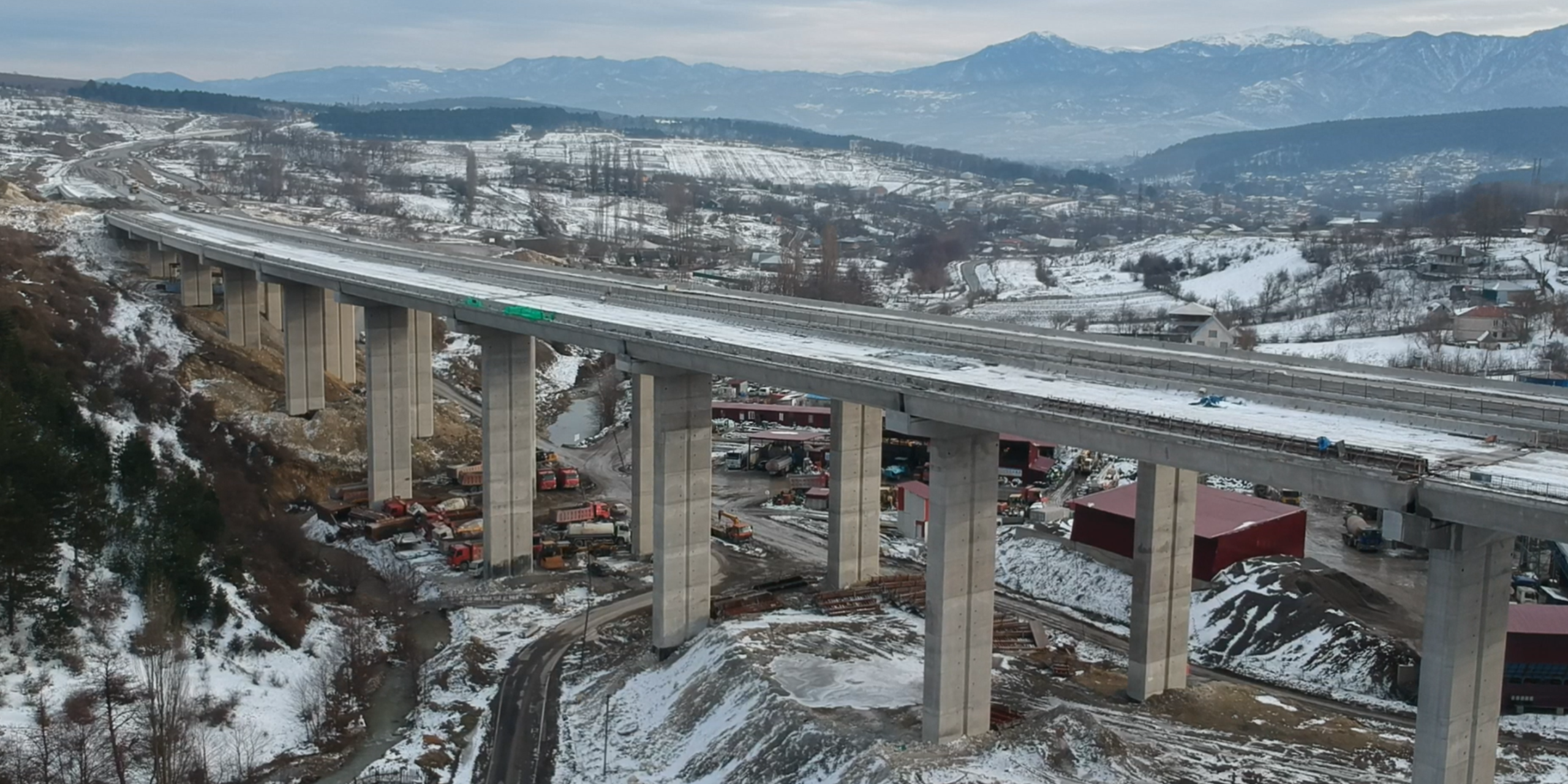
Georgia’s East–West and North–South road projects: Counting the true costs of highway expansion
The East–West Highway and the North–South Corridor – two key road infrastructure projects supported by major multilateral development banks, have had devastating social, environmental and cultural impacts in Georgia.
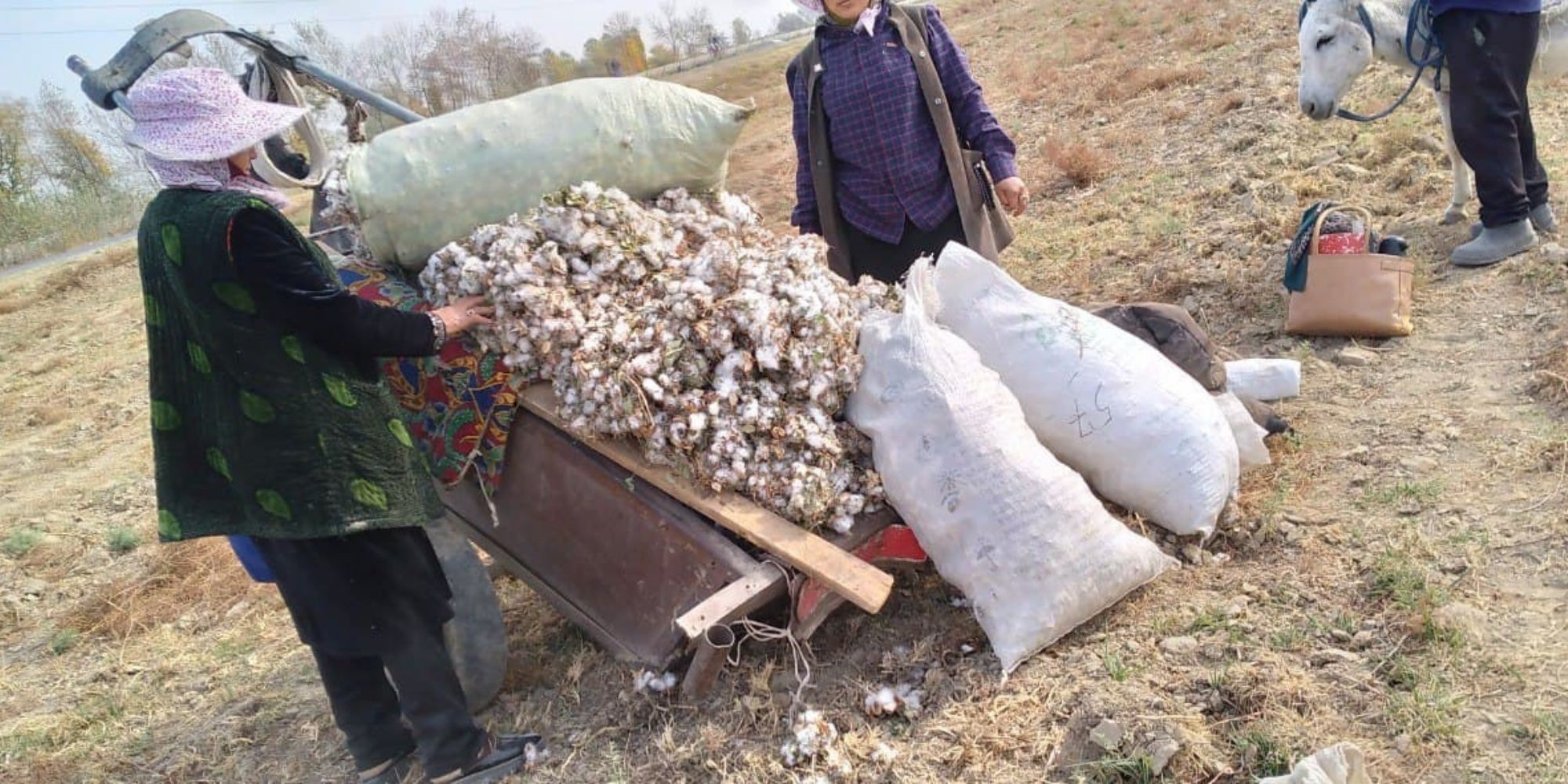
Indorama Agro: Uzbekistan’s infamous cotton producer
Despite being Uzbekistan’s largest cotton producer and receiving millions in development loans from the European Bank for Reconstruction and Development (EBRD), the Asian Development Bank (ADB) and the International Finance Corporation (IFC) – institutions that promote modernisation and corporate responsibility – Indorama Agro faces multiple complaints of worker mistreatment and retaliation.
Latest news
Ignoring Chernobyl lessons: How EU ‘energy security’ expands nuclear industry in Ukraine
Press release | 26 April, 2011Kiev — On the 25th anniversary of the Chernobyl nuclear catastrophe, while the world still struggles with the aftermath of the Fukushima disaster, CEE Bankwatch Network issues a startling report showing how plans of the Ukrainian government to build 22 new nuclear reactors and extend the lifetime of old Soviet reactors are indirectly supported with European public money as part of the long-term EU energy security strategy.
Read moreLeaders tell EU neighbours to stress-test nuclear plants
Bankwatch in the media | 19 April, 2011EU leaders have called on neighbouring states including Russia and Ukraine to carry out ‘stress tests’ on their nuclear plants.
Read moreDon’t turn Ukraine into a nuclear energy source for the European Union!
Blog entry | 29 March, 2011Bankwatch member group National Ecological Centre of Ukraine is asking the European Investment Bank (EIB) on inaugurating its Kiev office March 25 not to support nuclear development in Ukraine .
Read moreRelated publications
Armenia hosts COP17: The Amulsar gold mine undermines its biodiversity credentials
Briefing | 9 November, 2026 | Download PDFIn 2026, Armenia will host the UN Biodiversity Conference (COP 17), presenting itself as a global leader in biodiversity protection. However, just one week before the conference began, operations at the controversial Amulsar gold mine were launched, threatening the region’s biodiversity, including endangered species of wildlife, rivers and the Lake Sevan.
Unlocking complaints mechanisms at multilateral development banks: A toolkit for civil society
Toolkit | 4 November, 2026 | Download PDFThis toolkit for civil society explains how the accountability mechanisms of multilateral development banks work and gives practical guidance on how people and communities affected by bank-financed projects can prepare and submit complaints. It aims to help them understand their rights, access these mechanisms and voice their concerns.
EIB must tighten oversight of Georgia’s East–West Highway projects amid authoritarian crackdown
Briefing | 26 October, 2026 | Download PDFGeorgia has been in authoritarian freefall since spring 2024. In response, the EIB, in line with the EU’s position, has not issued any new sovereign loans to the country. However, the Bank still holds a significant active portfolio there, including the East-West Highway road projects. In this brief we document several of the environmental and social costs that the Bank has failed to account for.