
Ukraine Reconstruction Campaigner
Email:Tel.:
Anna is Bankwatch’s Ukraine Reconstruction Campaigner, working on green reconstruction and environmental safeguards in Ukraine’s recovery. Her work focuses on alternative sources of energy for communities, energy resilience, and the alignment of Ukraine’s energy policy and public investment management system with EU standards. Originally from Kyiv, she holds an MSc in Environmental Sciences and Policy from Central European University and is based in Bratislava.
More from

In 2022, Bankwatch and its partner civil society organisations provided the European Bank for Reconstruction and Development (EBRD) with over twelve reports highlighting human rights concerns related to investment projects in the Bank’s countries of operation. However, none of these concerns are mentioned in the EBRD Sustainability Report 2022.

The European Commission has approved amendments to Estonia’s recovery and resilience plan and its newly added REPowerEU chapter. The country is determined to accelerate the energy transition, but more transparency is needed if it is to succeed.
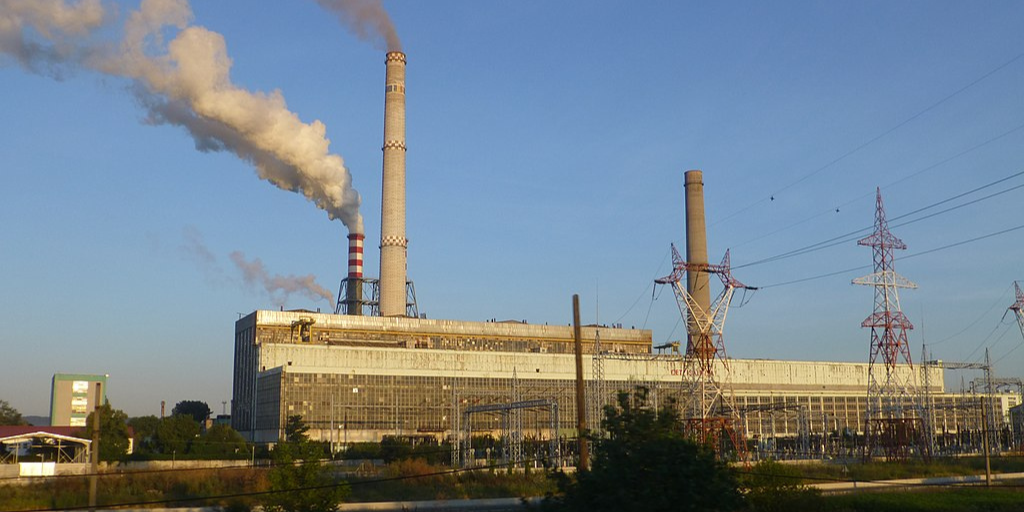
More than EUR 1.5 billion in EU funds has been provided to Poland and Romania for fossil gas projects since 2014. The two governments have earmarked even larger sums for the current EU budget period despite the bloc’s goals of reducing greenhouse gas emissions, according to a report released today by CEE Bankwatch Network.

This report reveals how much EU public money has been channelled toward the expansion of fossil gas infrastructure in Poland and Romania since 2014 as well as what plans these two countries have for using various EU funding sources to finance additional fossil gas projects in coming years.
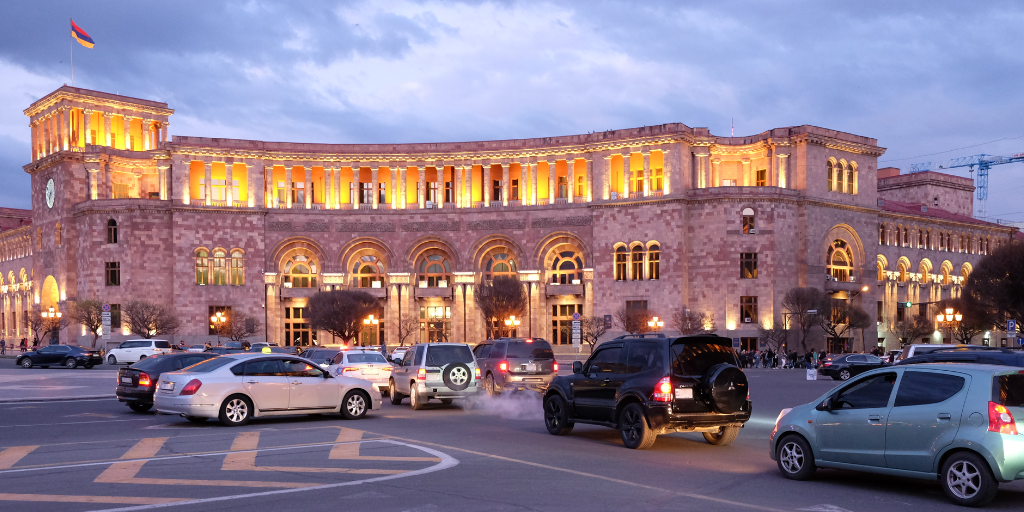
In May 2023, a massive fire broke out at the Nubarashen landfill on the outskirts of Yerevan, enveloping the city in a cloud of toxic smoke generated by the burning waste. It took 10 days and 2,300 truckloads of soil to extinguish the flames. Coming seven years after Yerevan became a pioneer by joining the European Bank for Reconstruction and Development (EBRD)’s Green Cities initiative, this incident is a stark reminder of the urgent need to adopt a safer and more sustainable approach to waste management and urban planning.

