
Ukraine Reconstruction Campaigner
Email:Tel.:
Anna is Bankwatch’s Ukraine Reconstruction Campaigner, working on green reconstruction and environmental safeguards in Ukraine’s recovery. Her work focuses on alternative sources of energy for communities, energy resilience, and the alignment of Ukraine’s energy policy and public investment management system with EU standards. Originally from Kyiv, she holds an MSc in Environmental Sciences and Policy from Central European University and is based in Bratislava.
More from
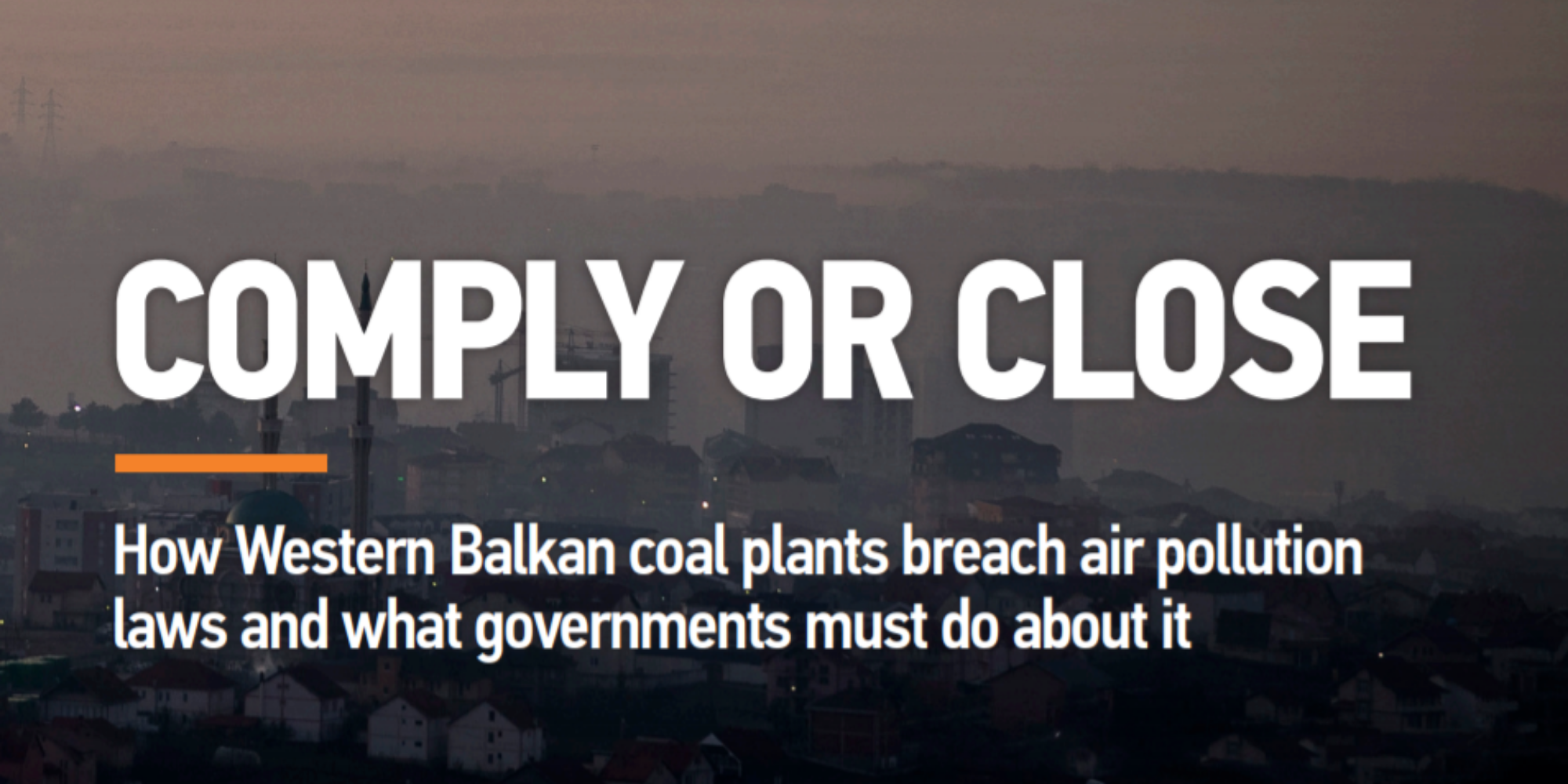
Two and a half years since pollution control legislation under the Energy Community Treaty obliged Western Balkan governments to apply EU norms, a new Bankwatch analysis finds air pollution – primarily sulphur dioxide (SO2) and dust emissions – from coal-fired power plants remains stubbornly high, choking communities across the region and beyond.
Comply or Close 2020
June 23, 2020 | Read more
In 2016 alone, roughly 3900 people in the region and in neighbouring countries are estimated to have died as a result of chronic pollution from all existing coal plants. This report is an update of an analysis released by Bankwatch late last year, now including 2019 data.

Strategic lawsuits against public participation (SLAPP) are a form of often frivolous litigation used by corporations to intimidate and punish critics and silence their right to free speech. Lydian international, the tax haven-listed mining company, has repeatedly deployed the tactic against journalists and civil society as it presses forward with the Amulsar gold mine in Armenia, whilst the EBRD has stood by silently.
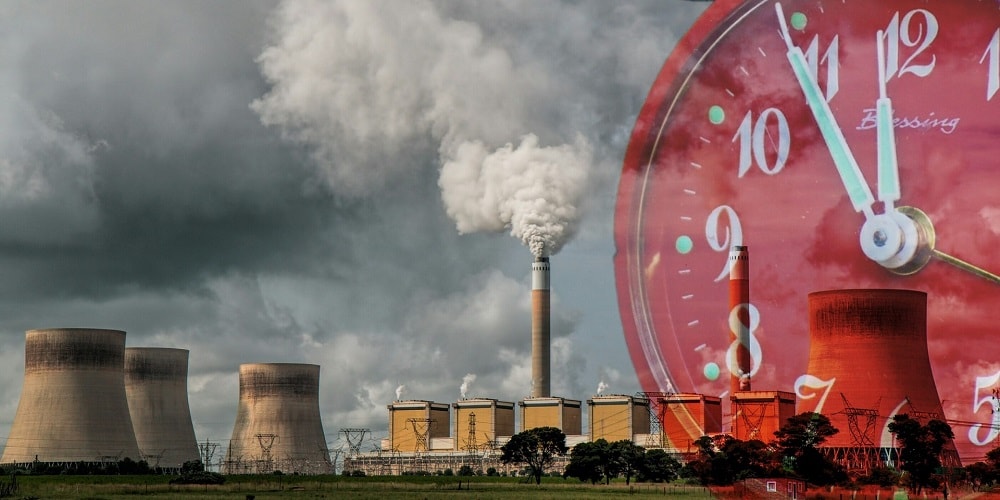
Brussels – Emphasising green spending in the next one trillion plus euros EU budget is the surest way to reach an agreement on the deal while leading the bloc to a more resilient recovery from the pandemic, say campaigners at CEE Bankwatch Network ahead of today’s European Council.
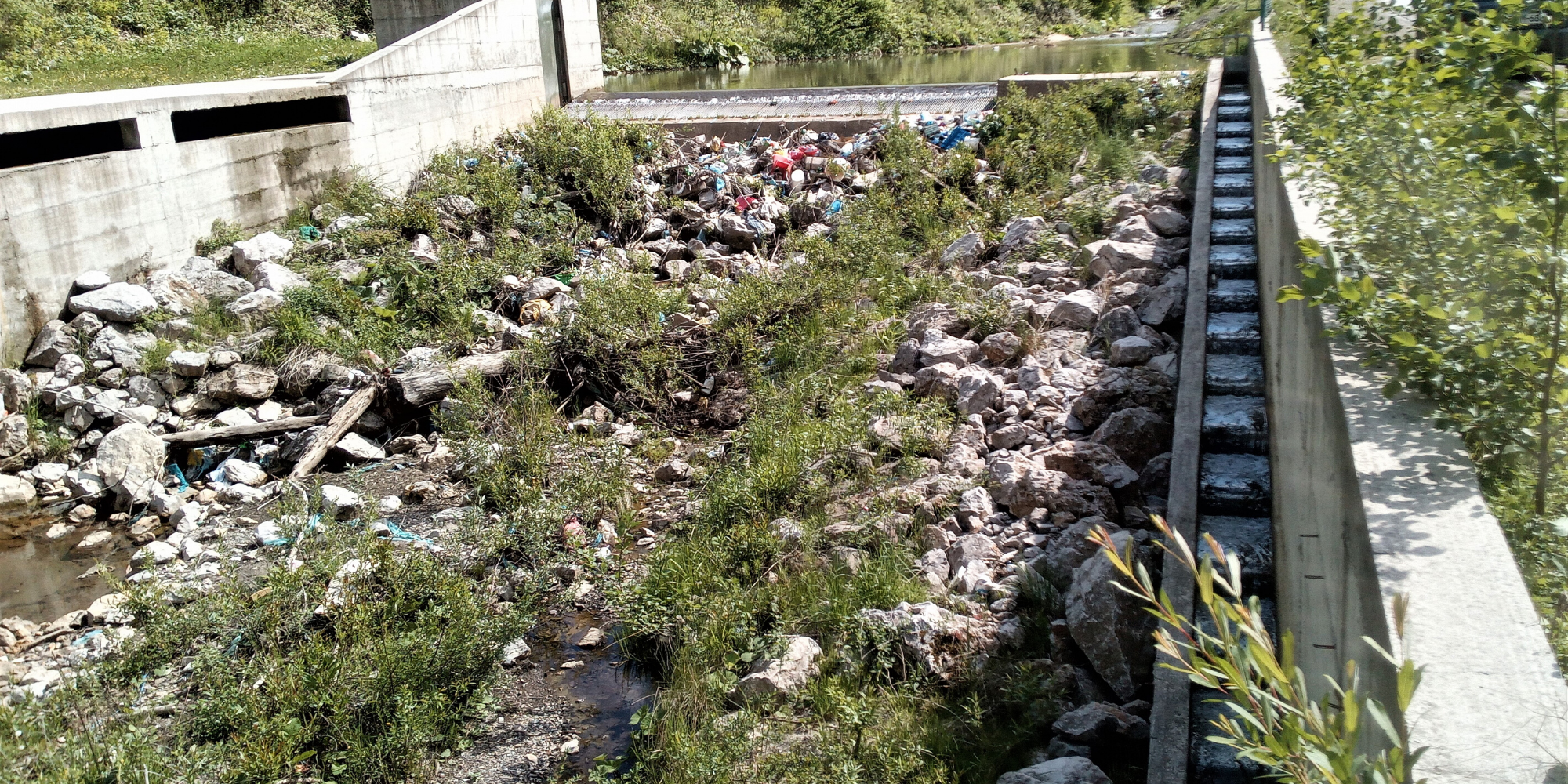
Prompted by widespread public resistance to small hydropower plants in the Western Balkans, the Energy Community Secretariat has recently been consulting the public on guidelines for the proper application of environmental and State aid legislation in such cases. Bankwatch’s input highlights a plethora of common deficiencies that need to be addressed.

