
Ukraine Reconstruction Campaigner
Email:Tel.:
Anna is Bankwatch’s Ukraine Reconstruction Campaigner, working on green reconstruction and environmental safeguards in Ukraine’s recovery. Her work focuses on alternative sources of energy for communities, energy resilience, and the alignment of Ukraine’s energy policy and public investment management system with EU standards. Originally from Kyiv, she holds an MSc in Environmental Sciences and Policy from Central European University and is based in Bratislava.
More from
Despite some shortcomings of partners’ involvement during the Programming of the EU funds for 2014-2020, environmental partners could significantly improve the mainstreaming of environmental protection requirements throughout Partnership Agreements and Operational Programmes. It is now all the more important to ensure partners can contribute during the implementation and monitoring of EU regional development funding. This paper offers practical suggestions to strengthen the role of civil society: Enable timely access to all relevant information,
Reflections on biodiversity offsetting in Mongolia
May 25, 2015 | Read more
A fact-finding mission in April 2015 to Mongolia identified serious concerns regarding the implementation of the new Mongolian Environmental Impact Assessment (EIA) legislation – in particular the specific provision on biodiversity offsetting. Oyu Tolgoi (OT), the largest mining investment ever licensed in Mongolia, has been the first project to include a biodiversity offset action in its EIA and related biodiversity management plan.
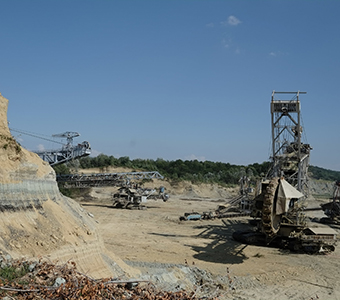
Bucharest – Another environmental permit for the deforestation of 80 hectares of forest has been cancelled by a Bucharest court, following a Bankwatch Romania petition. The decision curtails plans to expand a lignite quarry in the Gorj county.
Brussels, 18 May 2015 – More than 50 civil society organisations have joined forces to create the ‘Better Regulation Watchdog’ – a network to protect citizens’, workers’ and consumers’ rights. The network was launched today in Brussels, one day ahead of the expected announcement of the European Commission’s so-called ‘Better Regulation’ reforms.
The first four projects that the European Investment Bank announced for financing under President Juncker’s EUR 315 billion investment initiative, the European Fund for Strategic Investments (EFSI), reveal the structural inconsistencies of both the EFSI legal set-up and the EIB procedures themselves. For the time being there is no genuine guarantee about the additionality of EFSI financing and added-value to EU’s long-term economic development objectives, in particular the multiple dividends of a decarbonised and decentralised energy system with substantial energy savings at its heart.

