
Ukraine Reconstruction Campaigner
Email:Tel.:
Anna is Bankwatch’s Ukraine Reconstruction Campaigner, working on green reconstruction and environmental safeguards in Ukraine’s recovery. Her work focuses on alternative sources of energy for communities, energy resilience, and the alignment of Ukraine’s energy policy and public investment management system with EU standards. Originally from Kyiv, she holds an MSc in Environmental Sciences and Policy from Central European University and is based in Bratislava.
More from

With today’s approval of the watered down proposals to reform EU Structural Funds in the European Parliament’s committee for regional development (see our press release), EU decision makers have taken a step away from ambitious environmental spending in the future Cohesion Policy. At the same time also national level allocation of the 2014-2020 funds is starting to take shape. But efforts to get the funds working sustainably for, and on behalf of, needy local communities are being thwarted in Slovakia – for a range of all too familiar reasons.
Brussels, July 9, 2013 – The European Parliament’s committee for regional development (REGI) will vote tomorrow on the European Commission’s proposals to reform EU Structural Funds. If approved, the watered-down text will significantly dampen Europe’s potential to promote renewables and energy savings, according to Bankwatch and Friends of the Earth Europe.
Six environmental NGOs, having been working on the Cohesion policy regulations for several years, provide in this document a detailed analysis on the uptake and safeguards of key environmental issues throughout the negotiations between the three institutions (Parliament, Council and Commission), and recommendations to ensure that the next Cohesion Policy for 2014-2020 better contributes to Europe’s 2020 targets, creates green jobs, enhances economic opportunities and addresses environmental challenges.
Bankwatch comments to the EIB draft energy policy
July 9, 2013 | Read more
The EU’s global leadership on climate change is set to take another blow if the European Investment Bank, the EU house bank and one of the world’s largest public lenders, adopts a future energy lending policy as presented yesterday to the public. The draft policy includes weaker standards for lending to coal plants than currently proposed in both the US and Canada.
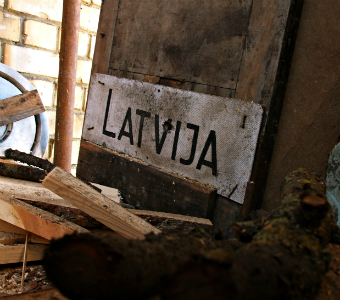
So far the planning for Latvia’s use of the EU funds for the 2014-2020 period has been a reasonably positive experience from a partnership perspective. Yet the process that has, until recently, been notable for its transparency and high level of public participation is now in danger of being derailed.

