
Economic justice policy officer
Email:Tel.:
More from
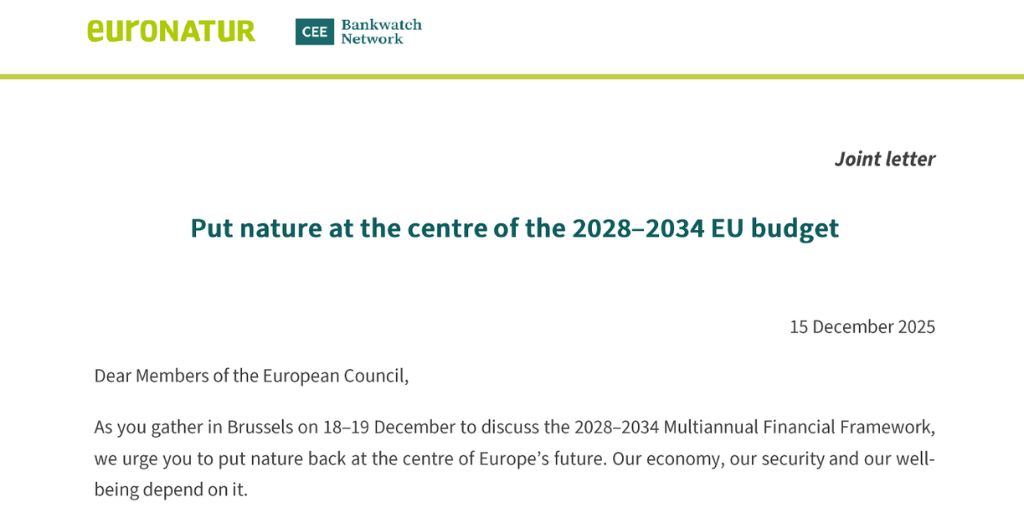
Put nature at the centre of the 2028–2034 EU budget
December 16, 2025 | Read more
This joint letter urges leaders to put nature back at the centre of the 2028–2034 EU budget.

The ‘do no significant harm’ (DNSH) principle is supposed to prevent EU funds from being invested in projects that harm the environment and undermine climate action. Though the principle is meant to increase awareness of the importance of environmental aspects in EU-funded projects, weak and incoherent implementation has hampered its effectiveness across the EU. Lessons learnt in Poland, the largest beneficiary of EU funds, can help improve the application of the ‘do no significant harm’ principle in the next EU long-term budget.

Our position paper analyses the European Commission’s proposal for the 2028–2034 Multiannual Financial Framework, highlighting how it falls short of addressing Europe’s urgent investment needs.
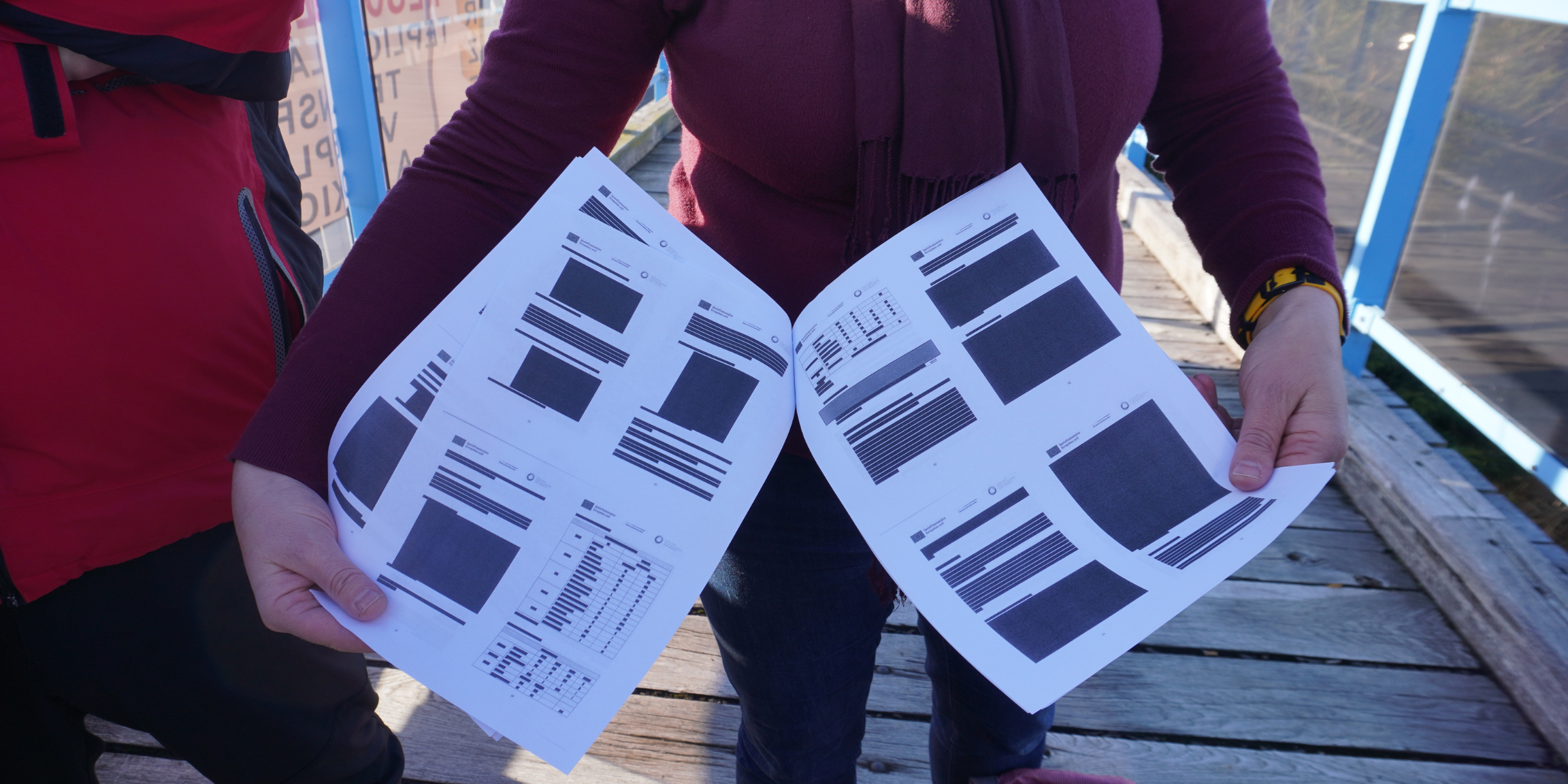
Information on public participation practices reported by the EBRD is lacking. This briefing illustrates the importance of regular and effective monitoring of project-level participation to inform the EBRD’s corrective actions and enhance management strategies.
Civil society organisations and accountability mechanisms have repeatedly highlighted EBRD-financed projects in which the people affected have been marginalised, consultations have been superficial, and grievances have been ignored. These are not isolated missteps or the work of a few bad apples, but rather recurring problems that result in serious harm to people and the environment. Our latest research identifies 38 such cases, raising a pressing question: How can the EBRD ensure meaningful public participation if it doesn’t identify and learn from its failures?

