Economic justice policy officer
Email:Tel.:
More from
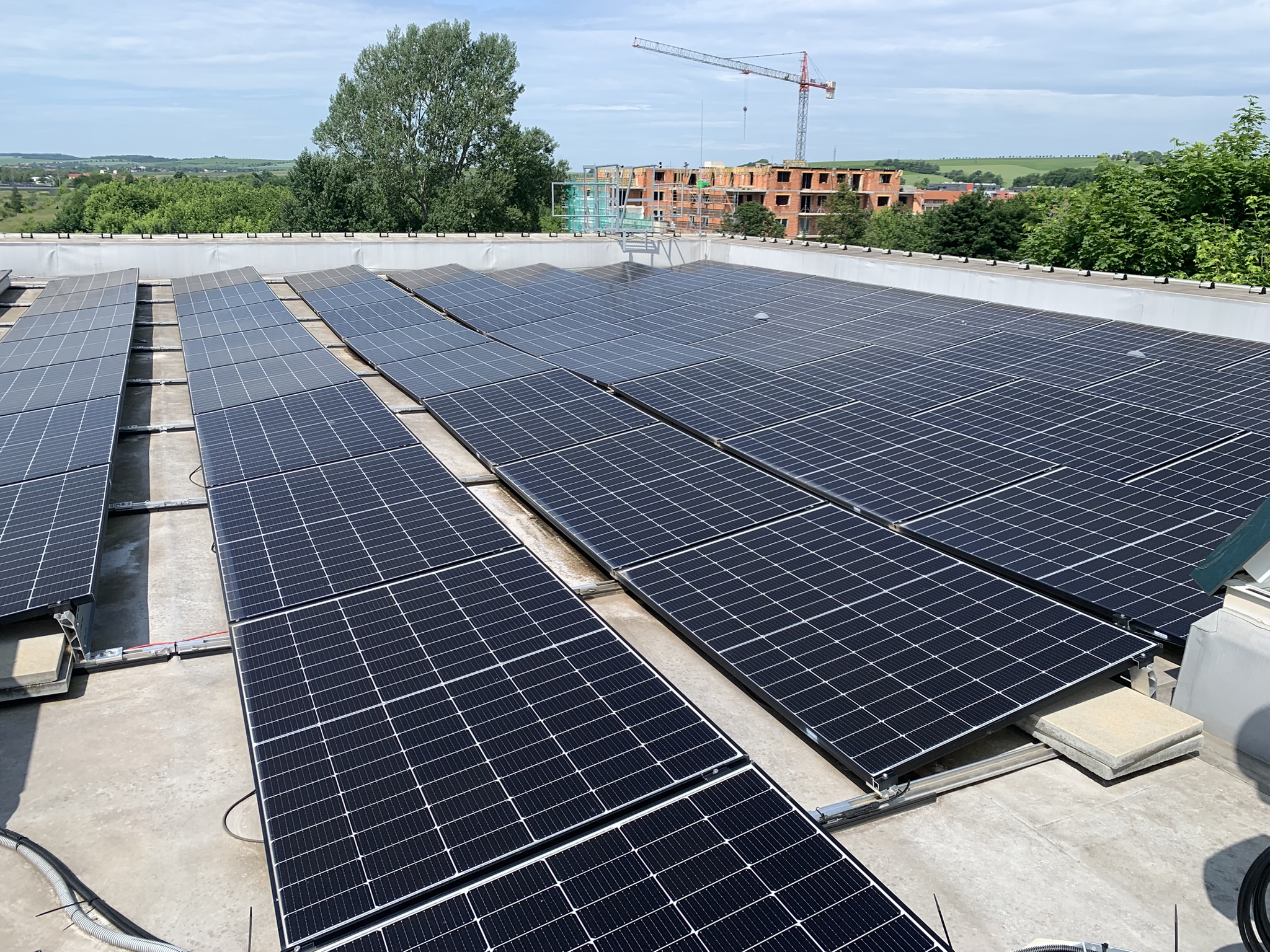
Community energy pioneers know that much hard work is needed before they can seamlessly share power between one another. In spite of all obstacles, they believe the project is worth it.
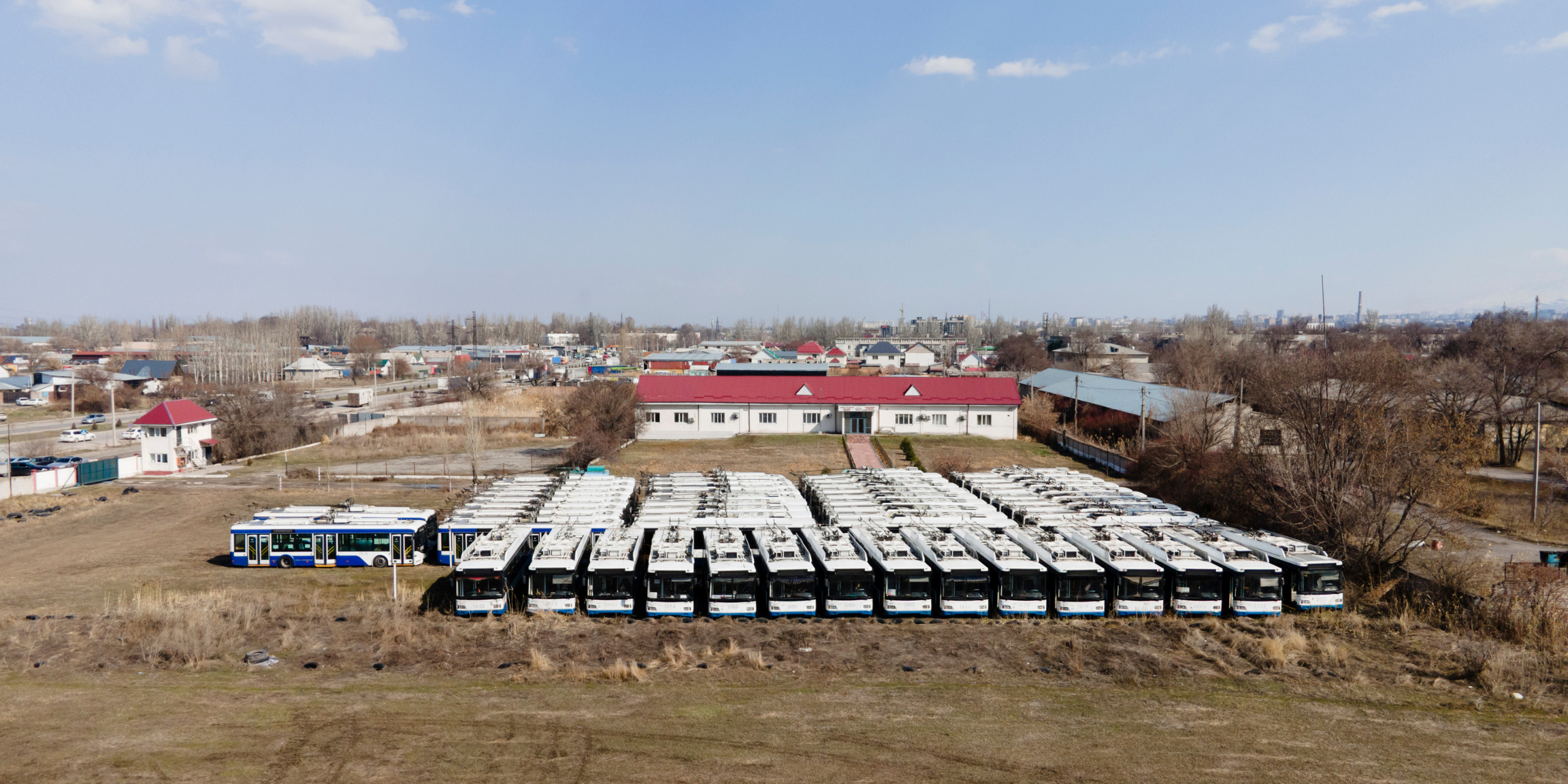
Bishkek residents seek mediation to restore trolleybus service
August 19, 2025 | Read more
Residents of Bishkek have asked the European Bank for Reconstruction and Development (EBRD)’s Independent Project Accountability Mechanism (IPAM) to facilitate dialogue with urban authorities over concerns about the city’s trolleybus services.
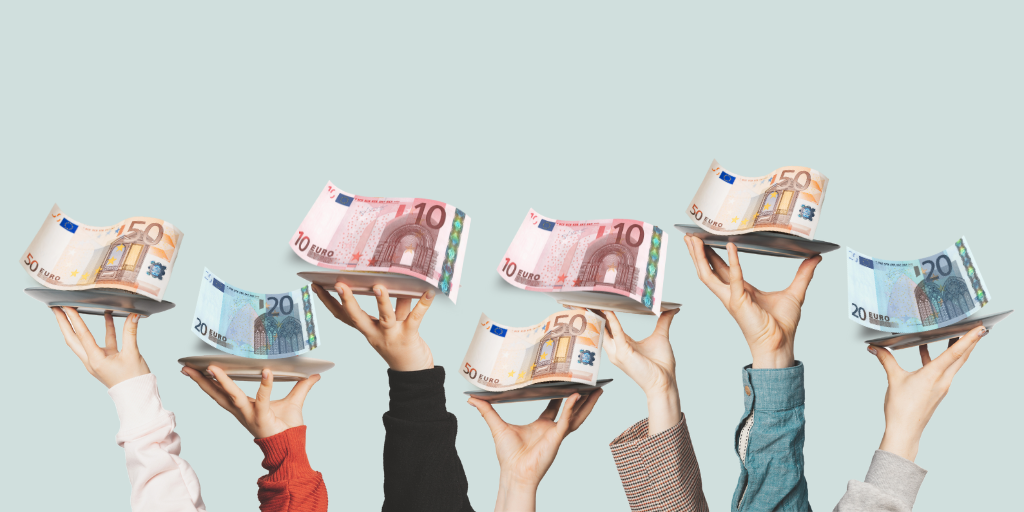
As the European Union begins shaping its post-2027 budget – the next multiannual financial framework – the challenges ahead are significant. From accelerating climate change to geopolitical tensions and conflicts, the EU needs a budget that is both responsive and forward-looking. Yet, despite the far-reaching impact these decisions will have on millions of Europeans, the process by which they are made still falls short of being truly democratic.
Only EUR 163 million of the European Commission’s EUR 1 billion emergency funding can be shown to have contributed to tackling the root causes of the energy crisis and advancing the Green Agenda for the Western Balkans, according to a new report by CEE Bankwatch Network, published today (1). More than two years after the lion’s share of the funds were disbursed, most spending and results still cannot be traced using publicly available sources.

In November 2022, the European Commission announced a EUR 1 billion Energy Support Package for the Western Balkans to mitigate the immediate effects of the energy crisis and accelerate the energy transition in the region.

