
Economic justice policy officer
Email:Tel.:
More from
Despite bold rhetoric on climate and environmental leadership, the European Commission’s proposal for the next long-term EU budget, published today, falls short of aligning future EU spending with the needs of a climate-neutral EU. It fails to provide a clear, enforceable vision for beneficiaries of EU funds to tackle today’s multiple challenges by directing public funds towards building a more resilient, just, and environmentally sustainable economy.
The publication outlines the European Investment Bank’s transformation into the EU’s first public international financial institution to stop funding fossil fuels in both developed EU Member States and developing countries and significantly increasing investments in climate action and environmental sustainability.
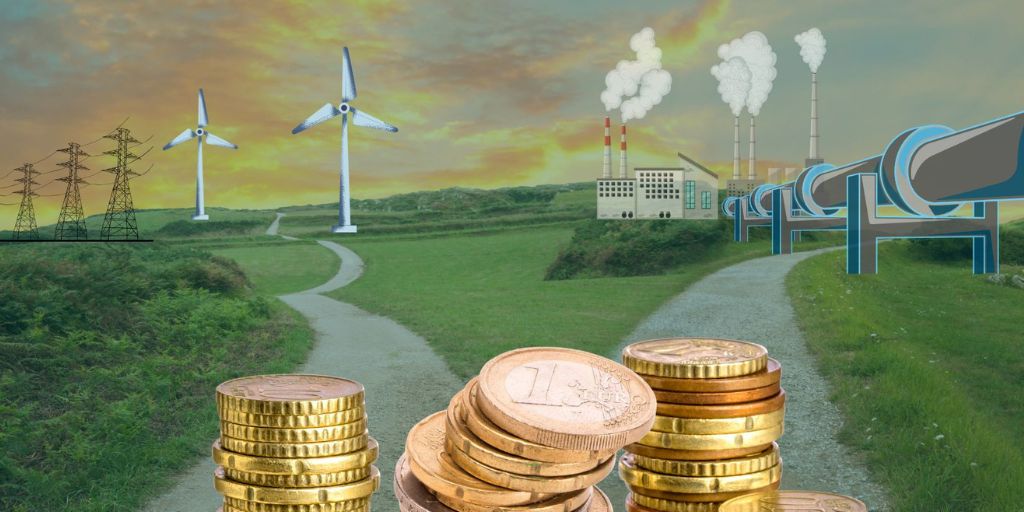
The Clean Industrial Deal envisions an expansion of both hydrogen and carbon capture throughout the EU. The experts’ prevailing view is that hydrogen can only advance the energy transition in a few hard-to-abate sectors, and there are serious concerns over the very viability of carbon capture, especially at scale. Yet our latest analysis reveals that a little-known EU infrastructure fund has been handing out hundreds of millions to these dubious technologies.
In April, the European Investment Bank (EIB) and the European Bank for Reconstruction and Development (EBRD) signed a Mutual Reliance and Cooperation Agreement, founding their future cooperation on jointly financed projects. Yet concerns have already emerged about potential risks to environmental and social safeguards as well as accountability under the new partnership.
This discussion paper synthesises contributions from members of the Just Transition Platform’s ‘Future of Just Transition’ Working Group and other key stakeholders on the potential design of future support for a just transition in Europe.

