
Strategic Area Leader - Beyond Fossil Fuels
Email: ioana.ciuta AT bankwatch.orgTel.: +4031 438 2489
loana joined Bankwatch in 2014 as energy coordinator for the Western Balkans, preventing new coal capacities from being built in the region, but also campaigning for improved air quality. Since taking on the current role, she has been leading campaigns to accelerate the transition to clean, sustainable energy in Central and Eastern Europe, the Western Balkans, and lately, Central Asia. She also serves as president of Bankwatch Romania and joins efforts against unsustainable hydropower development, while fighting to keep the space for civil society. With a background in journalism and over two decades of environmental activism, she works to bridge grassroots action with policy change for a just, fossil-free future.
More from Ioana Ciută
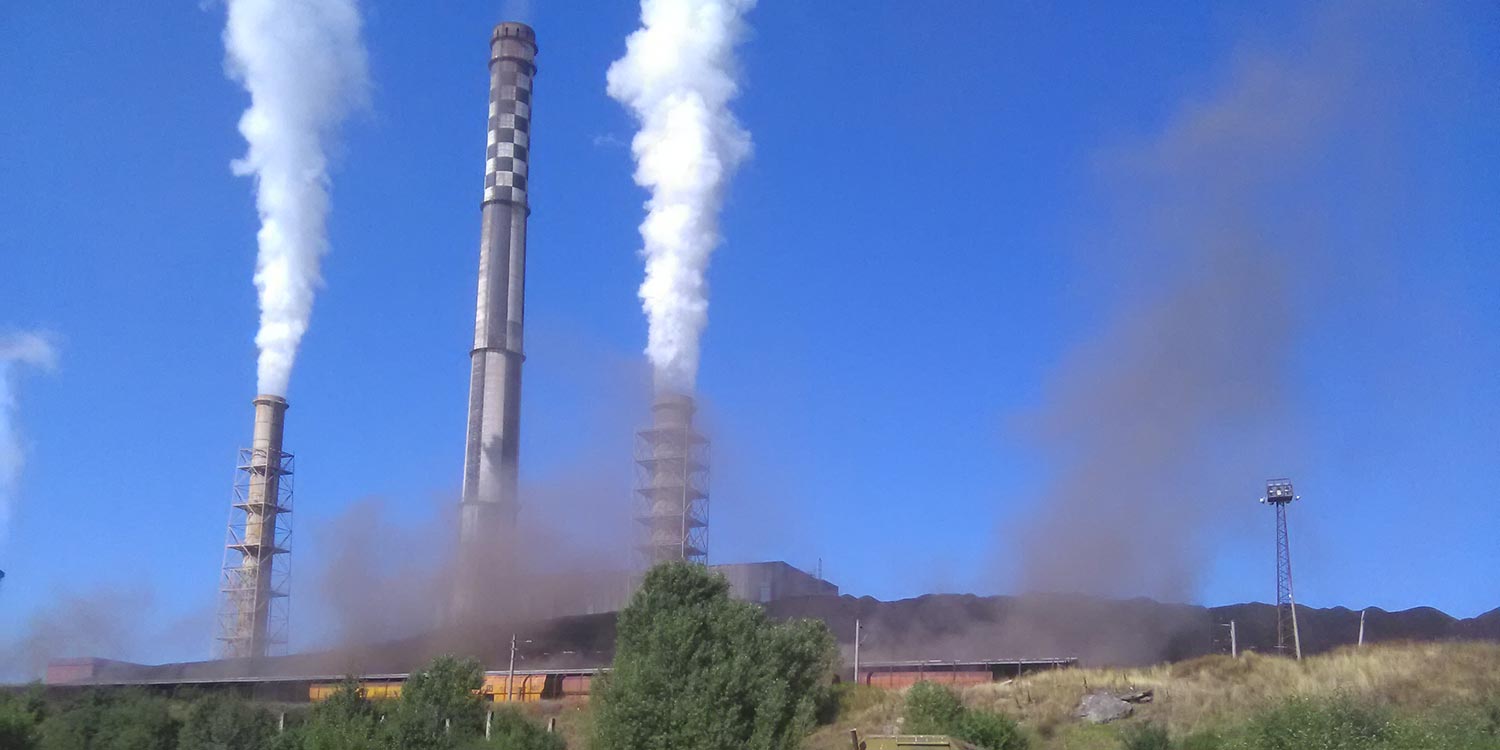
Unsuccessful in making a coal power plant reduce abhorrent pollution levels, the village of Golemo Selo, Bulgaria is trying to “move” to a new municipality, hoping to have more say in matters concerning its citizens’ health and livelihoods.
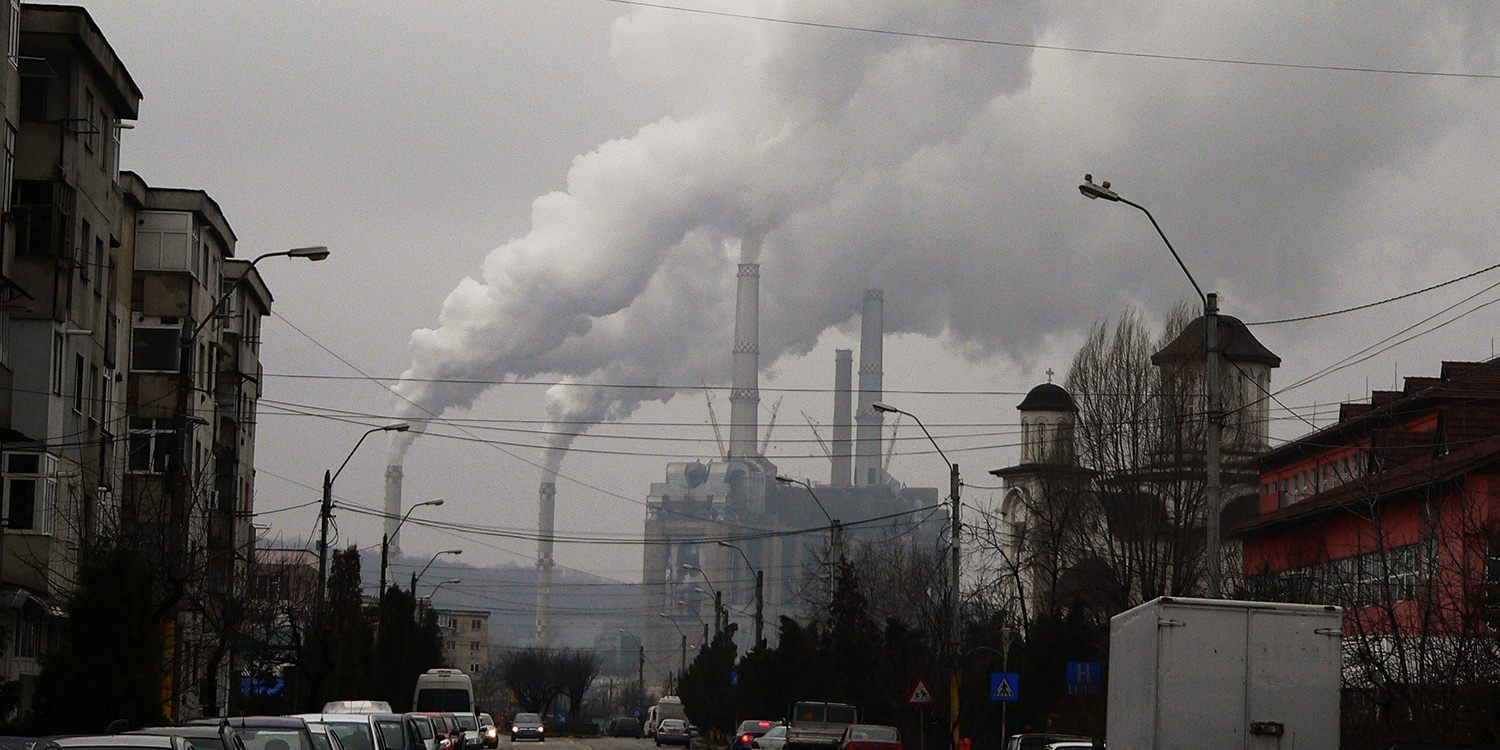
Levels of particulate matter (fine dust) in Rosia de Jiu, Romania were up to 20 times above the limit suggested by the World Health Organisation, show the results of our independent monitoring.
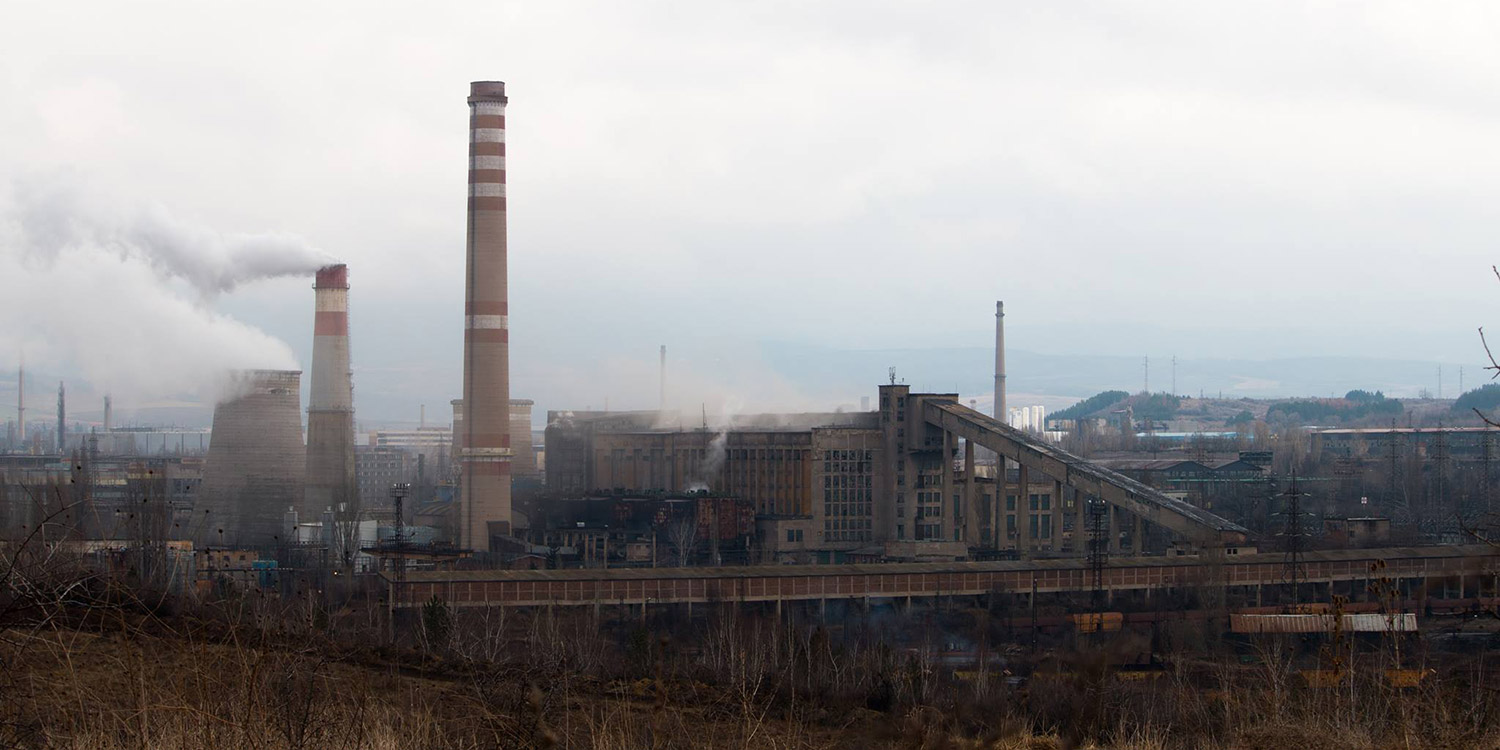
Brussels may fine Bulgaria for its excessive air pollution. But living in Pernik, the most polluted town in Europe, remains a hazard to peoples’ health as the results of Bankwatch’s independent dust monitoring show.
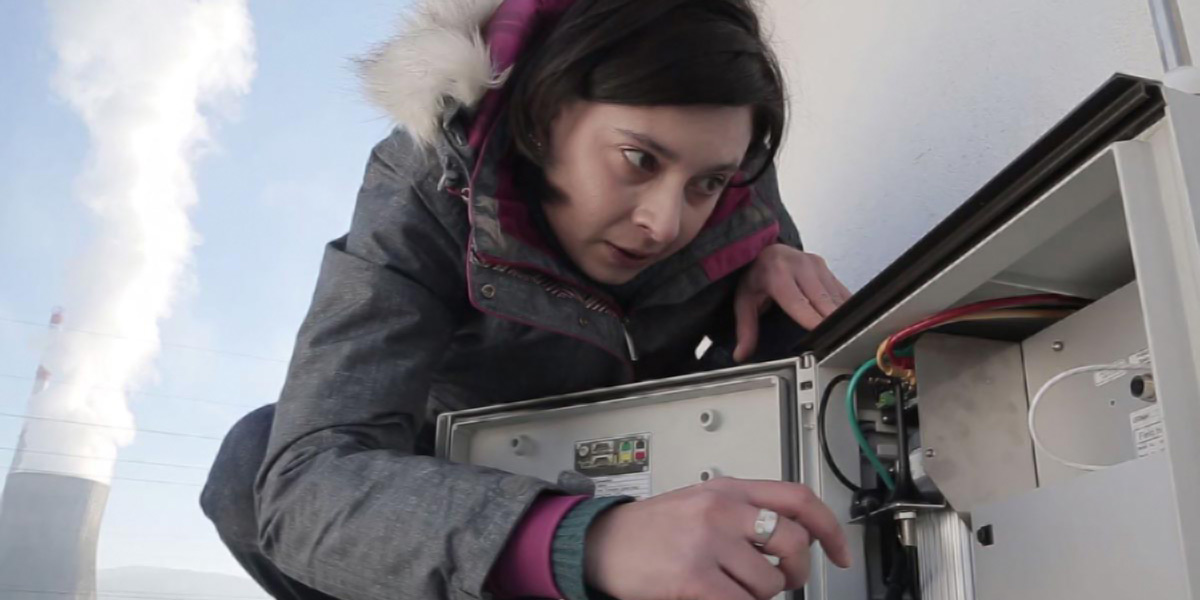
It was ten in the evening on 17 December when my colleague and I arrived in Pljevlja, Montenegro. Although we could feel the smell of burnt coal already while driving there, the minute we set foot out of the car, the air was stifling. “This place remin
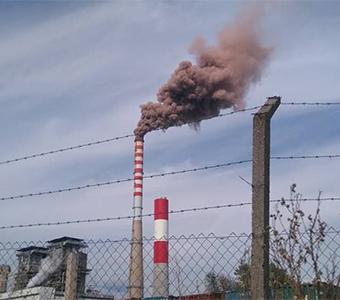
Smoke signals the coming of a polluted winter in Drmno, Serbia. Bankwatch’s independent air quality measurements show for the first time the alarming levels of dust particles near the Kostolac B power plant.

