EBRD Annual Meeting 2026
Riga, Latvia
From 5 to 7 June 2026, the European Bank for Reconstruction and Development (EBRD) will hold its 35th Annual Meeting in Riga, Latvia.
Bankwatch and our civil society partners will once again use this yearly platform to highlight the social and environmental impacts of EBRD investments and policies, and to promote meaningful public participation and sustainable solutions that benefit people and the planet.
Sustainable infrastructure
Sustainable infrastructure will play a crucial role in Ukraine’s post-war recovery, as well as in other countries where the EBRD operates. To avoid harm, delays and legal or financial risks, decisions on infrastructure planning and its impact on communities, nature, cultural heritage and livelihoods must be made transparently and in consultation with impacted individuals and communities.
Over the past five years, civil society has been monitoring the deterioration of water quality and availability in Ukraine’s Vinnytsia region, where MHP operates large-scale poultry production facilities.
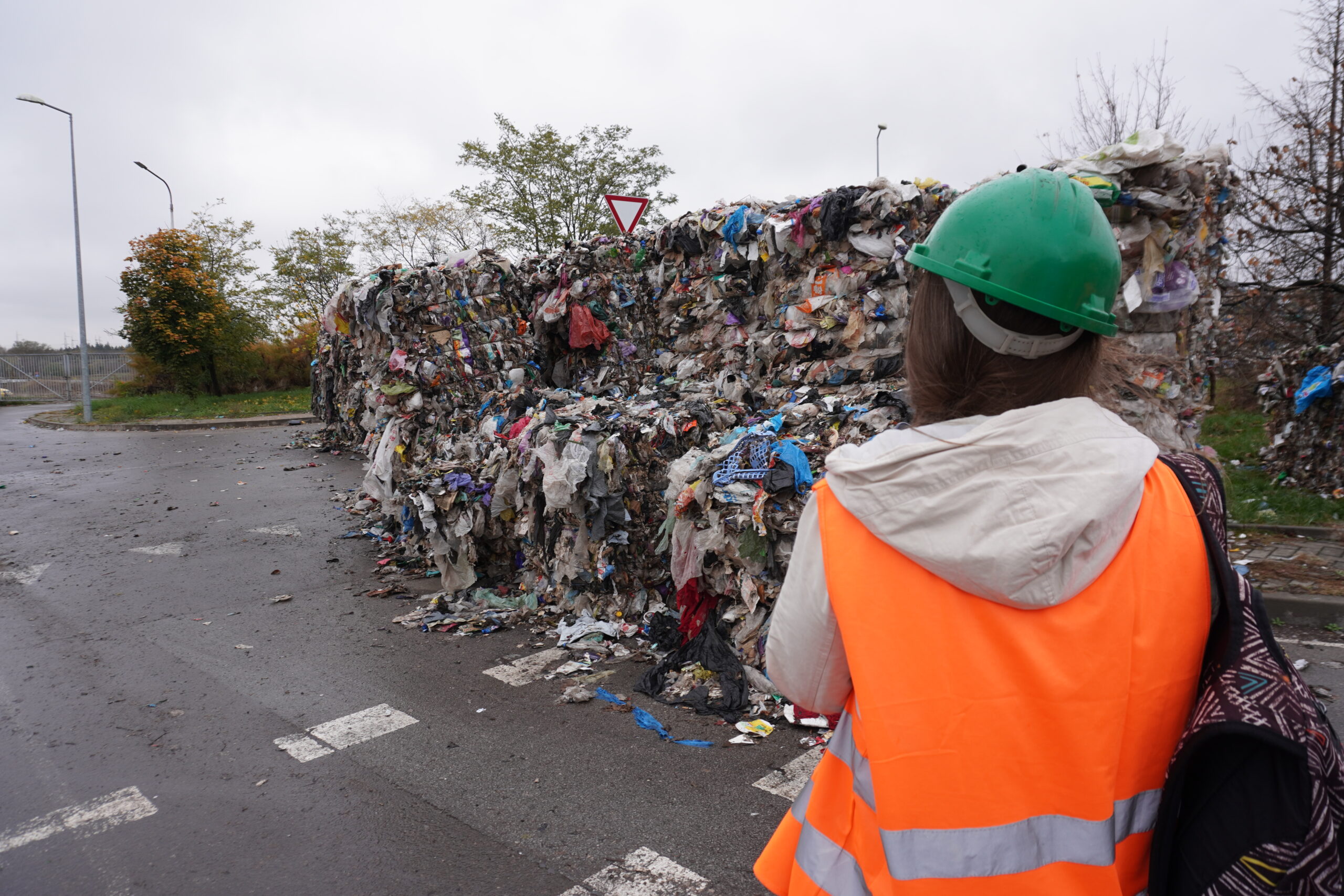
As Ukraine moves towards EU integration and post-war recovery, the Lviv metropolitan area is setting an example for modern municipal waste management through improved planning, regional cooperation, and targeted investment.
This briefing summarises the findings of a fact-finding mission conducted in February 2026 in Skopje and Novaci to assess waste management reform in North Macedonia.
The East–West Highway and the North–South Corridor – two key road infrastructure projects supported by the EBRD – have had devastating social, environmental and cultural impacts in Georgia.

Gender and inclusion
The alarming erosion of civic space in many EBRD countries is linked to a rise in hatred of gender, sexual, and ethnic minorities. International financial institutions like the EBRD are uniquely positioned to respond by safeguarding human rights in their projects and promoting inclusive development in their countries of operation.
On 13 April 2026, Bankwatch submitted policy comments on the EBRD’s draft Gender Equality and Human Capital Strategy (2026–2030), calling for stronger implementation, clearer targets and improved accountability to ensure the Bank’s commitments translate into tangible outcomes for women, LGBTIQ+ people and other underserved groups.
Later that month, Bankwatch joined 27 civil society organisations in a joint statement urging the EBRD to strengthen the same Strategy. The statement called for a more ambitious, rights-based approach to address structural inequalities and counter growing anti-rights backlash, ensuring more inclusive and accountable development outcomes.
In Bankwatch’s comments on the EBRD’s draft Economic Governance Strategy (2026–2030), we expressed concern that the EBRD is placing too much emphasis on market-led reforms and private capital mobilisation, and far too little on the democratic safeguards and social and environmental protections needed for fair and sustainable governance.
Accountability
While the EBRD finances projects aimed at fostering sustainable development, some can result in environmental and social harm when safeguards are poorly implemented. With the Bank currently revising its Project Accountability Policy, there is a critical opportunity to strengthen access to remedy and ensure meaningful public participation in decision-making as key indicators of genuine development and democratic transition.
In this context, Bankwatch is calling for a stronger policy framework that includes clear provisions for remedying harm, enhanced monitoring of management action plans, and safe access to the Bank’s accountability mechanism.
The EBRD-financed Almaty International Airport expansion and Horizon infrastructure project have been subject to a number of complaints, including alleged legal and heritage protection violations involving the demolition of a protected 1947 terminal building.
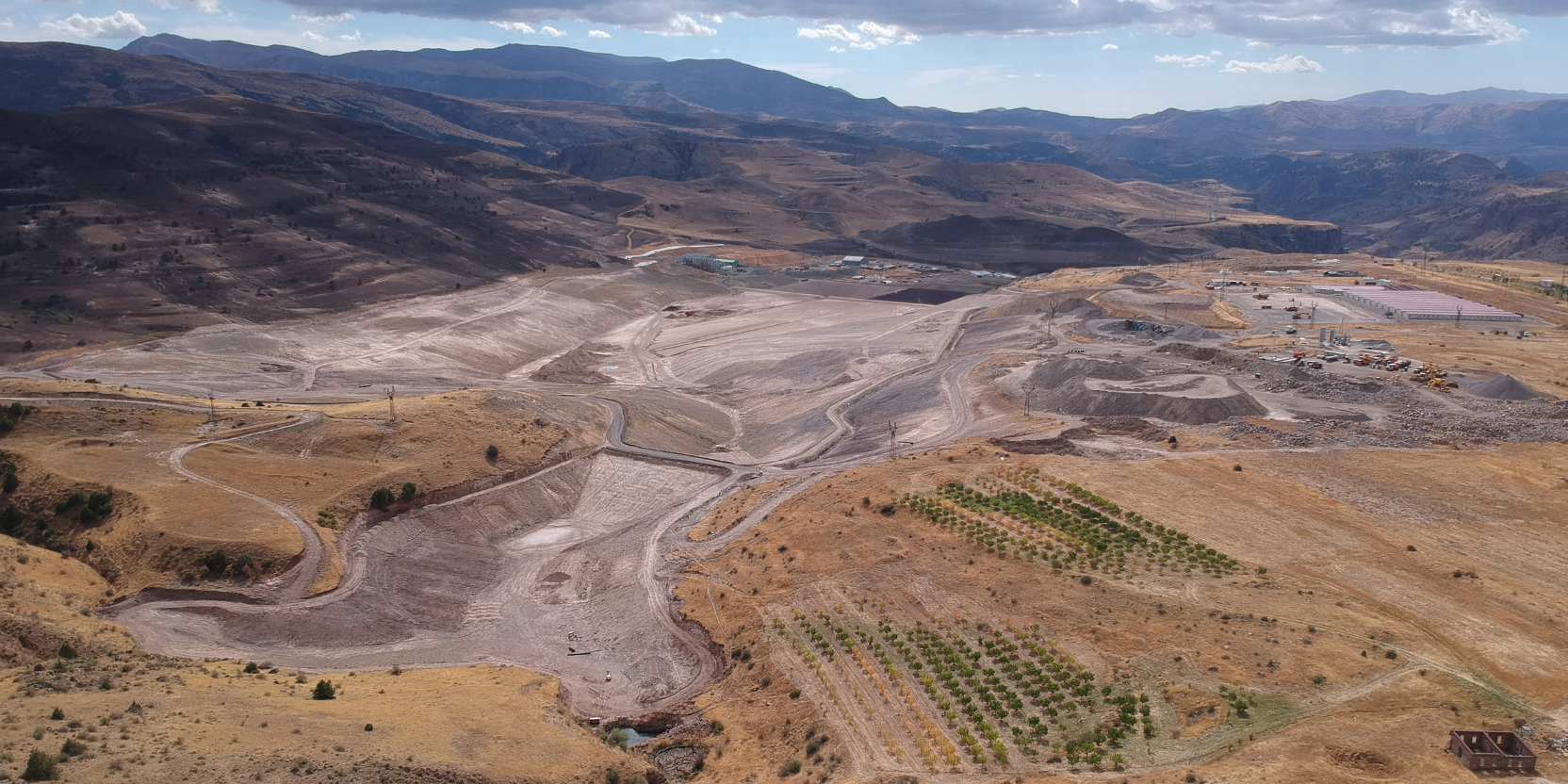
The EBRD’s indirect involvement in the Amulsar gold mine in Armenia through Ameriabank has raised concerns about compliance with its Environmental and Social Policy, due to unresolved legacy issues associated with the project.
Partner's work
In this section, we display relevant materials, publications and case studies that have been prepared by our civil society partner organisations.
LATEST UPDATES

The EBRD’s new gender strategy risks falling short at a critical moment
Blog entry | 12 May, 2026At a time when gender equality is under mounting pressure globally, the European Bank for Reconstruction and Development (EBRD) is preparing to adopt its new Gender Equality and Human Capital Strategy (2026–2030). The stakes could not be higher. Progress on gender equality and inclusion is not only stalling across the EBRD’s regions, it is actually reversing. Given the EBRD’s democracy mandate and its advanced experience in promoting gender equality, it is crucial for the Bank to adopt a robust strategy.
Read more

Joint civil society statement on the draft EBRD Gender Equality and Human Capital Strategy
Publication | 27 April, 2026Twenty-eight civil society organisations have issued a joint statement calling on the EBRD to strengthen its strategy. They urge the Bank to adopt a more ambitious, rights-based approach that tackles backlash and addresses structural inequalities to ensure inclusive and accountable development outcomes.
Read more
Bankwatch comments on the EBRD’s draft 2026–2030 Gender Equality and Human Capital Strategy
Publication | 13 April, 2026In its policy comments, the CEE Bankwatch Network explains that, given the stagnation or even reversal of global progress in this area, the Strategy must be more ambitious and effective. The EBRD must strengthen implementation, targets and accountability in order to translate its commitments into tangible, inclusive outcomes for women and underserved groups.
Read more

