Fossil fuels are fast losing their social license. It is becoming increasingly evident that countries’ continued reliance on dirty hydrocarbons escalates the climate crisis, worsens air pollution and enables war.
Long touted as a ‘bridge fuel,’ fossil gas now needs to be recognised by policymakers for the hurdle to the energy transition that it is, and multilateral development banks should urgently end support for gas projects and gas-dependent companies.
The energy transition has to be just and fast, with citizens, municipalities and workers as critical participants in the process. We are working to ensure no more public money is spent on coal, and public finance is used to accelerate this transition.
Stay informed
We provide updates in English from the Balkans and other coal regions.
IN FOCUS
Fossil gas
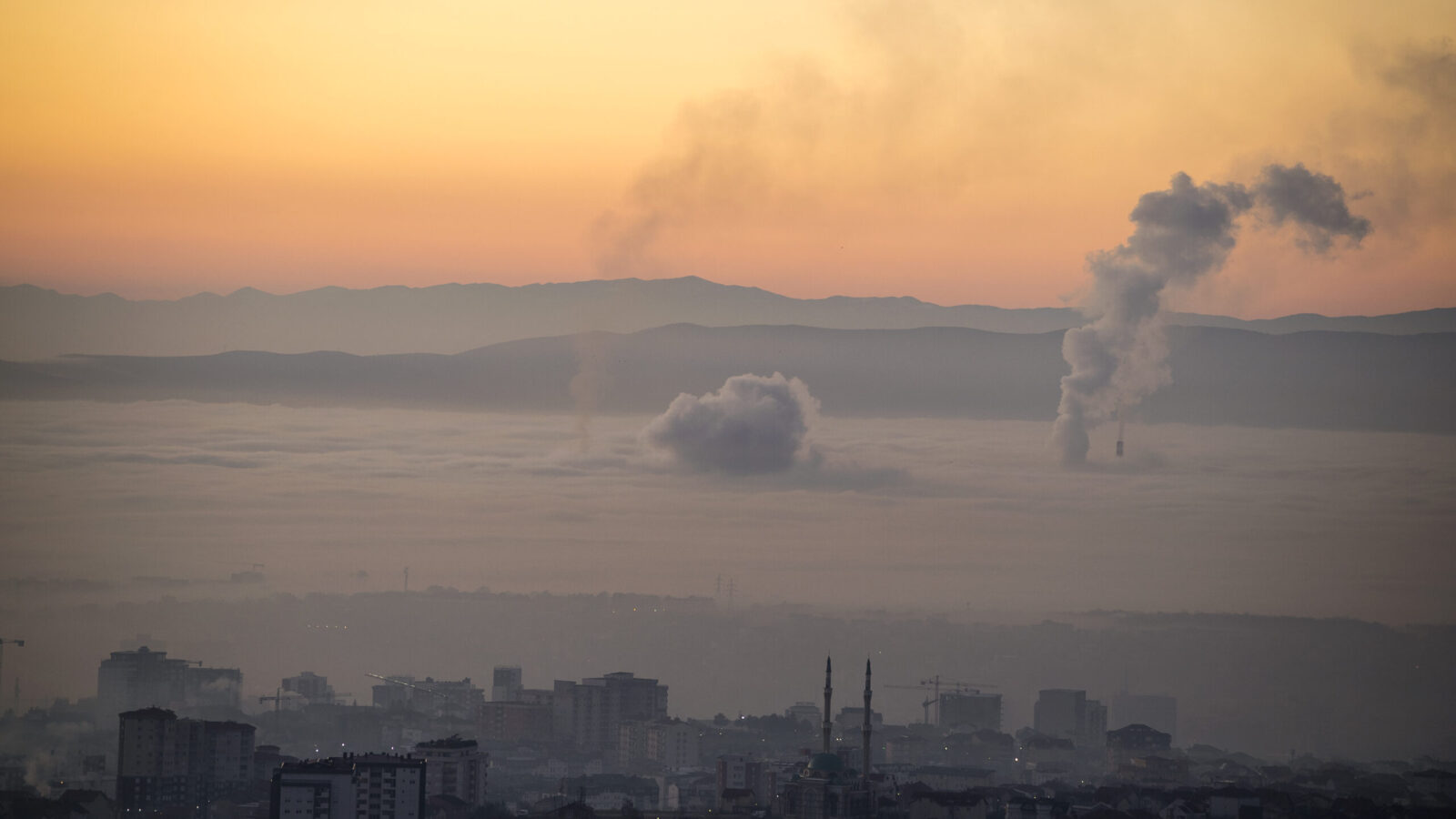
Fossil gas is the new coal. Although often labelled ‘natural,’ fossil gas is a major driver of the climate crisis. There is no more room for new investments in fossil gas projects if we are to avert the worst impacts of the climate crisis and set a path towards decarbonisation.
District heating
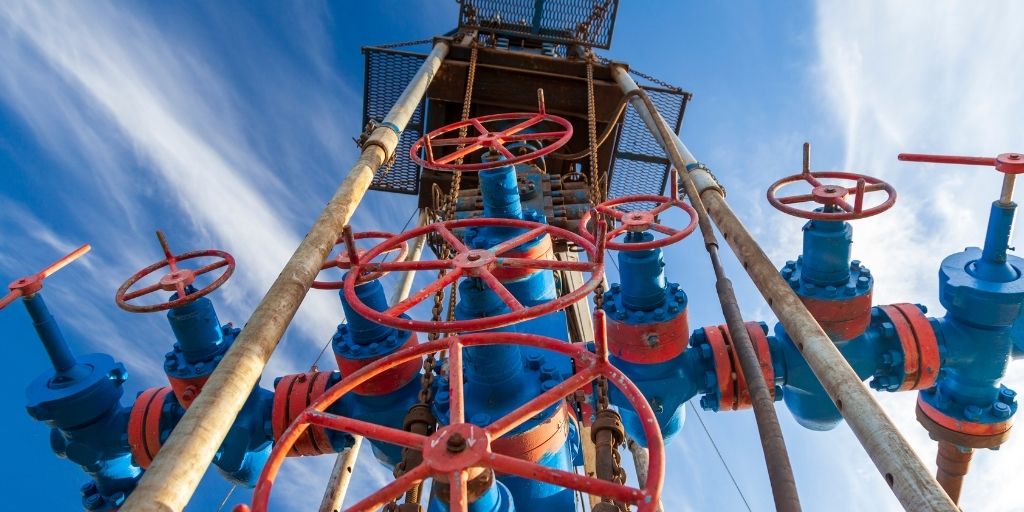
District heating and individual heating are still dominated by fossil fuels and inefficient burning of wood without regard to sustainability criteria, in combination with a low degree of energy efficiency. This has to change, since heating plays a crucial role in the transition into a clean and zero-carbon economy.
Just transition
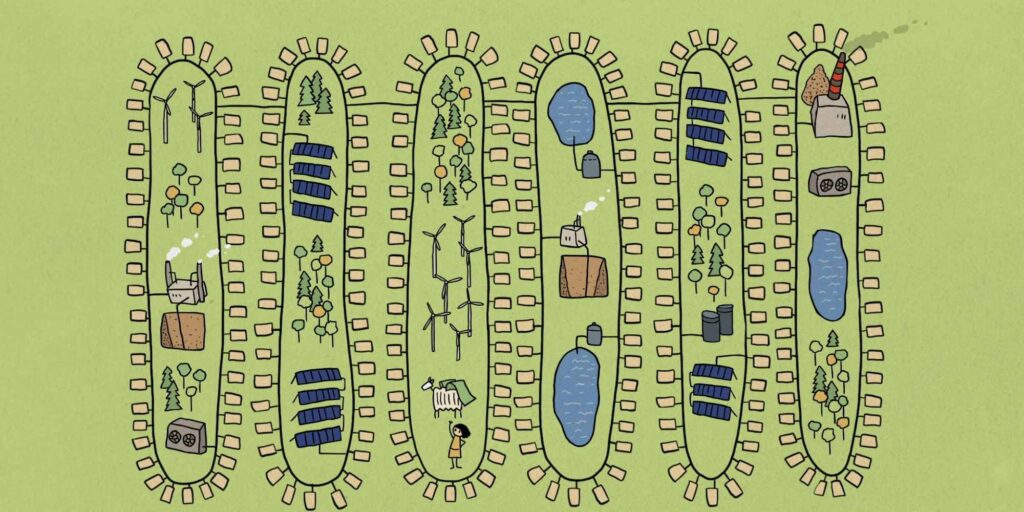
No one should be left behind when we reconstruct our world into one driven by clean energy. Working on just transition brings all actors who believe in fair regional redevelopment to the same table: unions, industry, public administration, governments, civil society and others sharing this goal.
Modernisation fund
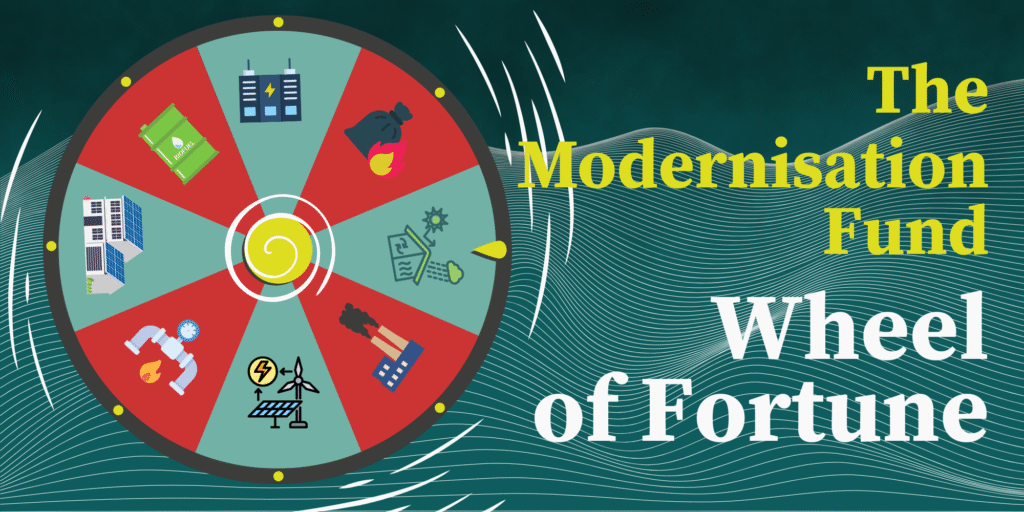
The Modernisation Fund can make a big difference. Redirecting future spending away from polluting energy sources while increasing support for sustainable energy investments would help Europe reduce emissions, slash air pollution, cut energy bills, improve energy security, and end the EU’s dependence on authoritarian regimes. To realise its potential, the Modernisation Fund needs to reform.
But will the EU seize the opportunity or leave its citizens to suffer the consequences?
Documentary: Turning the Tide
Our documentary exposes, for the first time, the extent of financial support four of the world’s leading multilateral development banks (MDBs) – the World Bank, the European Investment Bank, the Asian Development Bank and the European Bank for Reconstruction and Development – have been providing to the global fossil fuels industry over the past 13 years.
Our analysis shows that since 2008, the oil, coal and gas business has been enjoying no less than EUR 81.5 billion in support from these government-owned financial institutions in the form of loans, grants, credit lines and guarantees.
Coal projects
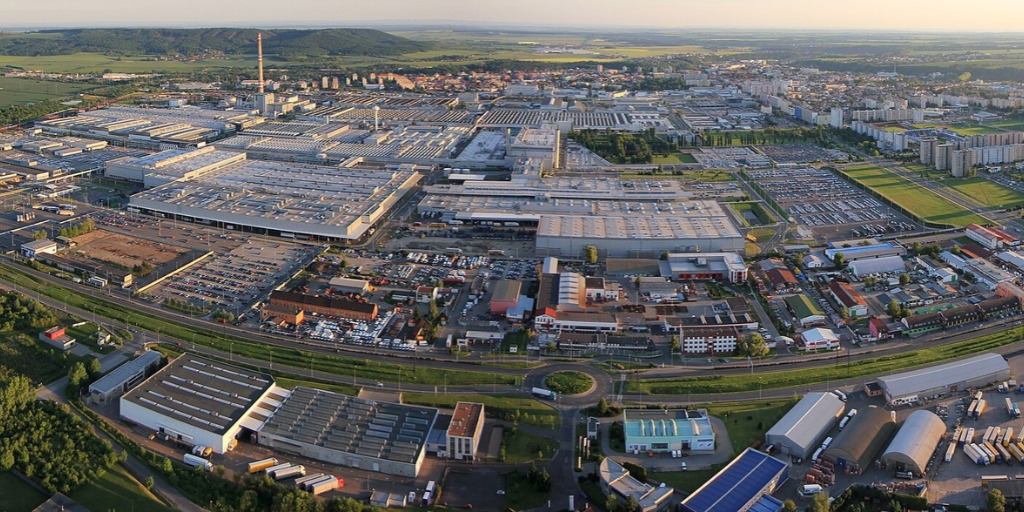
What’s Fuelling the Czech Automotive Motor? How the EU Modernisation Fund Subsidized Škoda Energo’s Shift to Forest Biomass
The European Union’s Modernisation Fund was established with a clear mandate to help lower-income Member States transition toward climate neutrality by upgrading energy systems, boosting efficiency, and helping recipients withstand the socio-economic shocks of decarbonisation. It is financed by revenue from the EU Emissions Trading System (ETS) as a way to turn industry’s carbon emission payments into needed capital for Europe’s energy transition. Yet, in the Czech Republic, the actual results of the Modernisation Fund have not advanced the energy transition nearly as far as it needs to be. One of the most glaring examples of this is in the district heating sector.
Vienna’s district heating transition
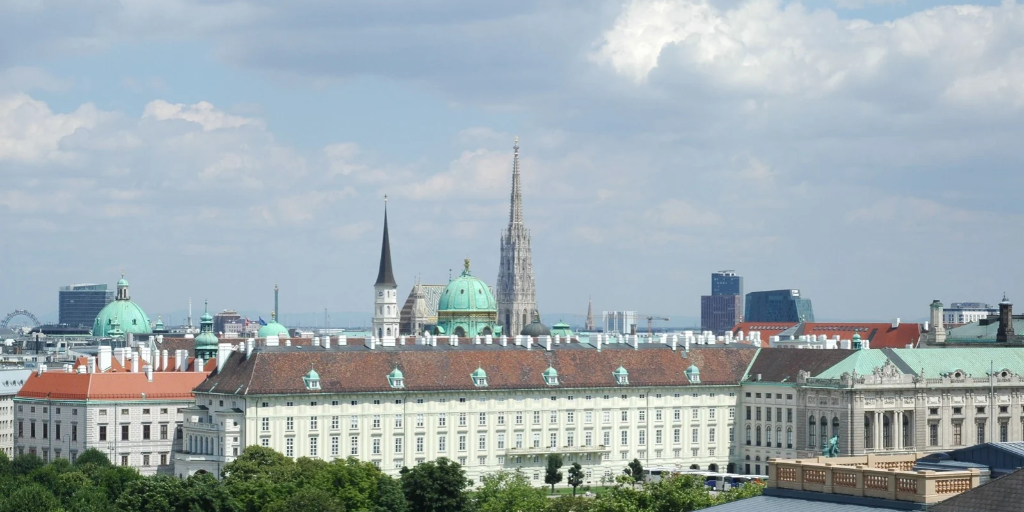
Vienna is one of Europe’s leaders in district heating decarbonisation. Its district heating network, run by the publicly owned utility Wien Energie, covers 35 to 40% of the city’s heat market. In a city of nearly two million people, that makes it one of the biggest district heating systems in Europe, with more than 1,300 kilometres of pipes. However, the system was built over 50 years ago, when coal and gas were the standard. Today, the city is working to decarbonise it through thorough planning and long-term investment in renewable heat sources.
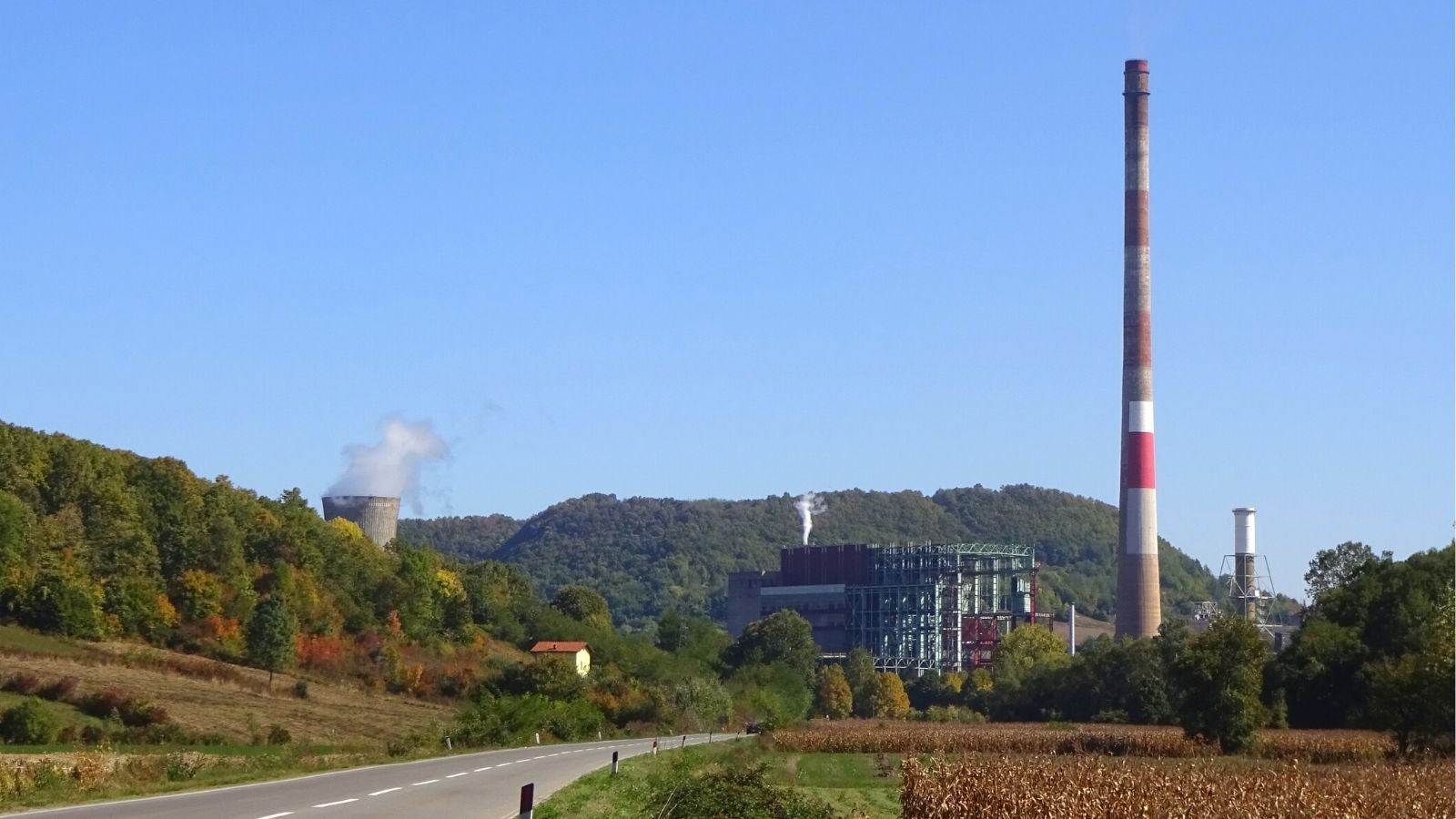
Ugljevik power plant, Bosnia and Herzegovina
Commissioned in 1985, the 300 MW coal power plant in Ugljevik, Bosnia and Herzegovina, has become famous for emitting more sulphur dioxide than all of Germany’s coal power plants in 2019.
Latest news
Police investigates irregularities at TES 6 in Slovenia
Press release | 8 June, 2011Ljubljana, Slovenia — The Slovenian police confirmed June 7 that it was looking into allegations of mismanagement at coal plant Sostanj, including serious questions over the building of new lignite block TES 6.
Read moreSlovenian government drops support for Sostanj coal plant; European public banks must follow suit
Press release | 5 May, 2011Ljubljana, Slovenia — CEE Bankwatch Network and Slovene NGO FOCUS are calling on the European Investment Bank (EIB) and the European Bank for Reconstruction and Development (EBRD) to review their plans to provide 650 million euros in loans for the controversial 600 MW TES 6 block at Slovenian lignite plant Sostanj.
Read moreEBRD undermines Slovenian climate targets and governmental review with 200 million euros for dirty coal project
Press release | 14 January, 2011Ljubljana, Slovenia — Campaign groups today lambasted the European Bank for Reconstruction and Development’s (EBRD) signature of a 200 million euros loan for the Sostanj thermal power plant in Slovenia [1], calling it a blatant affront to Slovenia’s long-term climate targets. The signing also fails to await the outcome of a governmental review of the controversial project, expected in mid-February.
Read moreRelated publications
What’s fueling the Czech automotive motor? How the EU Modernisation Fund subsidised Škoda Energo’s shift to forest biomass
Briefing | 12 November, 2026 | Download PDFThis briefing examines a troubling example of how the Modernisation Fund has been used in the Czech Republic – the EUR 89 million (CZK 2.18 billion) direct subsidy awarded to ŠKO-ENERGO s.r.o., the exclusive energy subsidiary of Škoda Auto a.s..
Letter to the World Bank Board on the Serbia – Strategic Gas Infrastructure and Institutional Strengthening Project
Joint letter | 22 September, 2026 | Download PDFIn this joint letter we urge the World Bank Board to defer approval of the Serbia – Strategic Gas Infrastructure and Institutional Strengthening Project.
Glass half full? Mid-term analysis of the Modernisation Fund’s operations
Report | 29 July, 2026 | Download PDFThis publication updates Bankwatch’s 2025 assessment of the EU’s Modernisation Fund and comes at a critical moment for EU climate and energy policy.