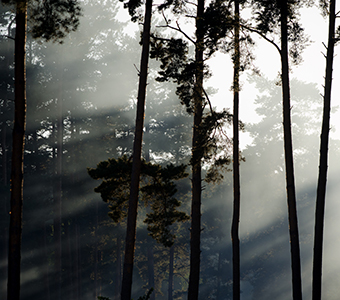
Latvia and the Energy Union: biomass is a blind spot
August 13, 2015 | Read more
To make sure Latvia’s energy path does not lead into a dead end for sustainability, the Energy Union should facilitate alternatives to unsustainable fuelwood.
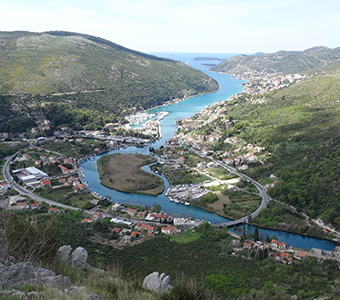
The Croatian Ministry of Environment and Nature Protection has refused Hrvatska Elektroprovreda (HEP)’s nature impact assessment for the Ombla hydropower project near Dubrovnik.
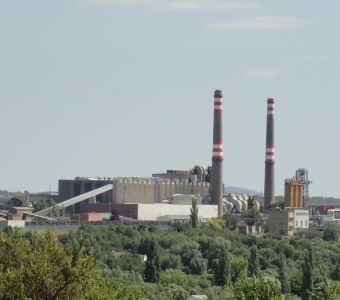
Hungary and the Energy Union: The devil is in the details
August 4, 2015 | Read more
Hungary needs to transform its energy sector. But can the Energy Union kickstart such change? The vision presented by the European Commission’s Vice President Maroš Šefčovič includes a few promising nuggets, but overall risks reinforcing the status quo.
More clarity is needed regarding the Energy Union’s priorities for the Czech Republic.
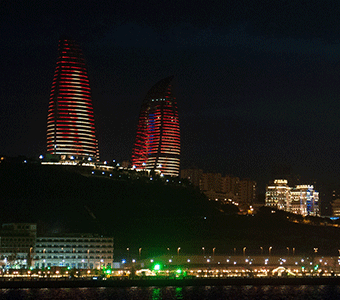
Last week, the European Bank for Reconstruction and Development approved a loan over half a billion dollars for Lukoil’s share in the Shah Deniz gas field in Azerbaijan. In this guest post, rights activist Emma Hughes from Platform reflects on how business as usual resumes after the media attention on Azerbaijan’s human rights abuses has faded.
The European Parliament will soon be voting on a Scoreboard that will help assess candidate projects to the EUR 21 billion European Fund for Strategic Investment (EFSI). Stringent economic, social and environmental criteria are a paramount need for ensuring investments that contribute to a more sustainable Europe.

