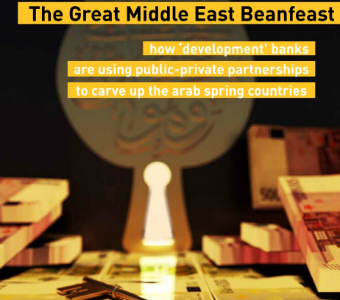
A new report takes a critical look at the engagement of European development banks in Egypt after the popular uprisings in the Middle East and North African region. This article appeared originally on the Counter Balance blog and has been shortened and slightly edited.
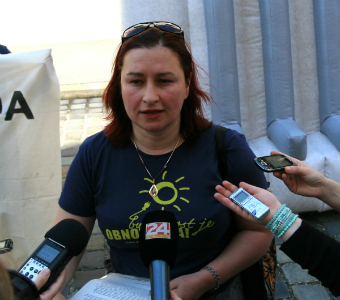
The EBRD’s involvement in the Ombla hydropower plant project has from the start been a story of insufficient scrutiny and cutting procedural corners, followed by an attempt to patch things up by commissioning a belated nature impact assessment. The assessment highlights the Ombla area’s natural importance and captures some of the harm that would be done by the dam, but fails to draw the right conclusions, says Jagoda Munic, President of Friends of the Earth International and Biodiversity Programme Co-ordinator at Zelena akcija/Friends of the Earth Croatia.

The European Parliament yesterday chastised the European Bank for Reconstruction and Development for its explicit interest in financing a new lignite-fired power plant in Kosovo. NGOs hope the bank will pay more attention to the Parliament than it did to civil society and energy experts so far.
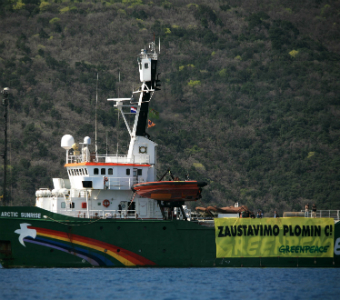
Yesterday Greenpeace’s legendary ship Arctic Sunrise joined in the campaign against Plomin C, a coal-fired power plant in Croatia.
[Campaign update] New bills for green energy in Serbia
April 16, 2013 | Read more
By investing in Serbian lignite, the European Bank for Reconstruction and Development cements the rigid structure of the country’s electricity market. Investing in energy efficiency instead could help reduce energy bills and free up further renewables funding.

Shale gas in Poland: Government gags local opposition
April 12, 2013 | Read more
Poland’s government is hasting to adopt liberal shale gas legislation. It tries to avoid any interference by factually excluding local opposition movements and by pre-empting the development of an EU wide framework on unconventional fossil fuels.

