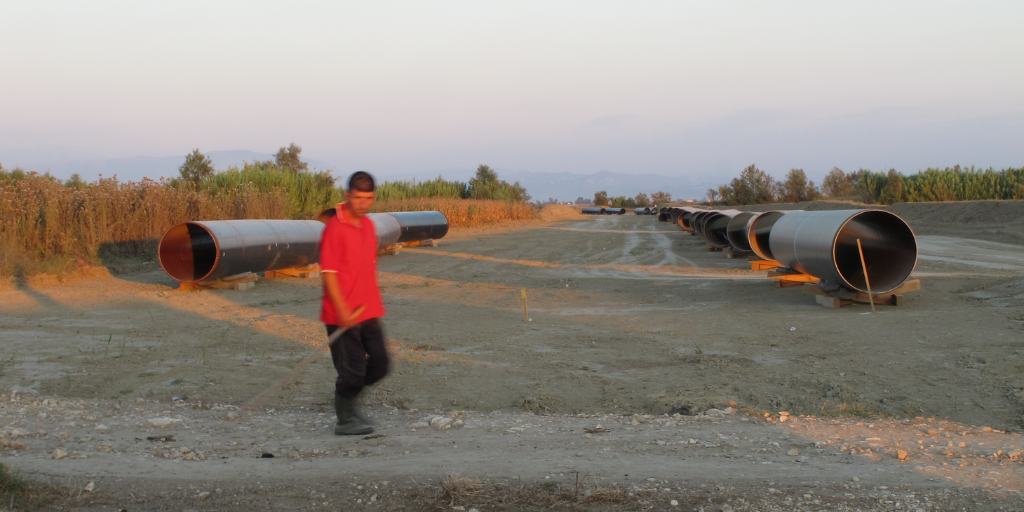
EBRD: Everything is peachy, just trust us!
February 17, 2023 | Read more
The European Bank for Reconstruction and Development (EBRD) appears keen to finance a major new pipeline to import fossil gas from Greece to North Macedonia, which would lock the country into increased fossil gas use for decades. Yet when the rationale for this is questioned, the EBRD fails to provide relevant data to justify its claims.
The dispute over the rule of law between Poland’s government and the European Commission culminated in a recent announcement by EU officials to block funds for Poland. The country’s authorities must take the Commission’s reservations seriously and address them immediately. Meanwhile, they must start implementing investments planned in the cohesion policy programmes as soon as possible to better address the challenges posed by the climate and energy crises.
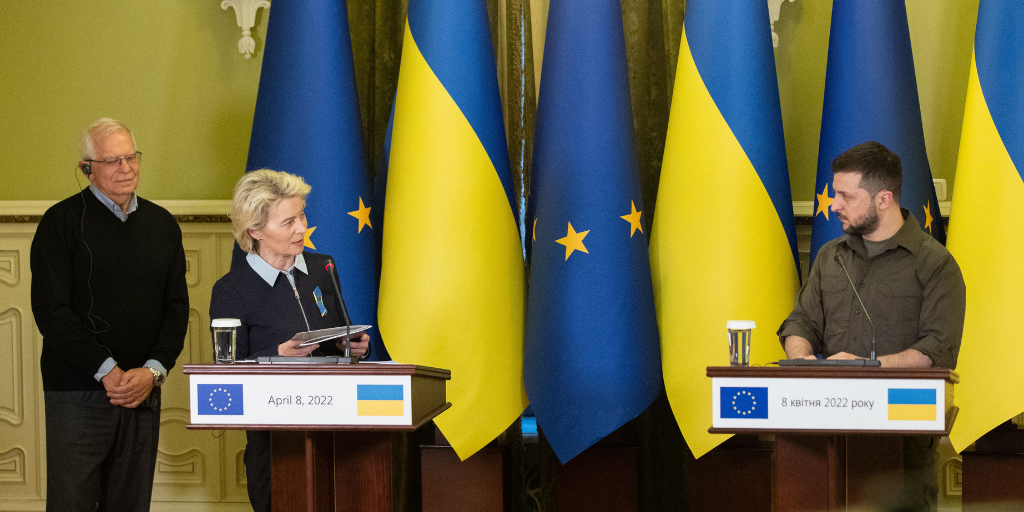
On 1 February, representatives of Ukrainian and international civil society organisations sent an open letter to Ursula von der Leyen, president of the European Commission. In the letter, they call on the European Union to support civil society engagement and the incorporation of green principles into Ukraine’s reconstruction process, which will go hand in hand with the country’s EU accession.
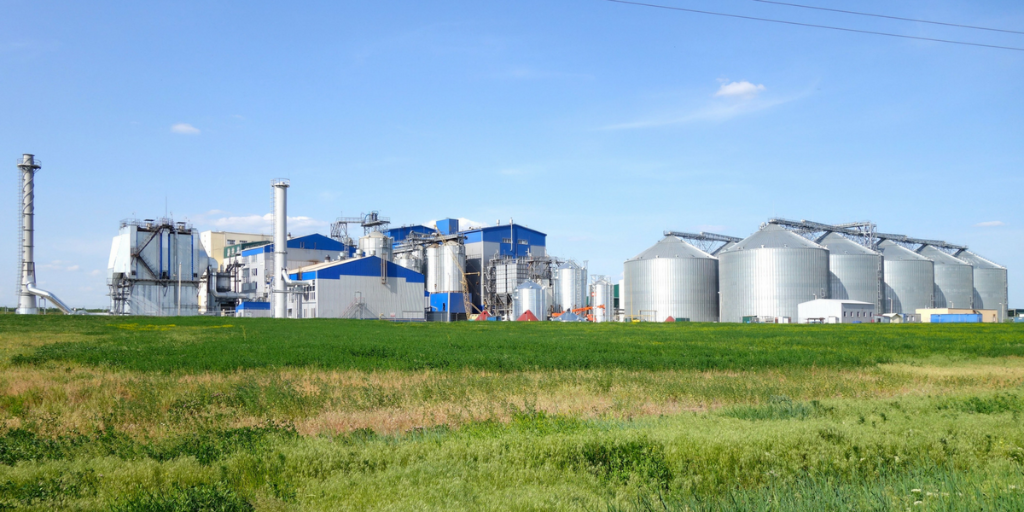
EBRD investments in Ukrainian agro-giant MHP under investigation
February 2, 2023 | Read more
After years of community complaints about the environmental and social damage caused by Ukrainian agro-giant Myronivsky Hliboprodukt (MHP), independent investigators are now looking into the role of international public finance in contributing to those harms. Considering the current food crisis, Ukraine’s important role in the global food supply chain and the prospect of more international investments to prop up Ukraine’s economy, it is time for financiers to learn the lessons of their past mistakes.
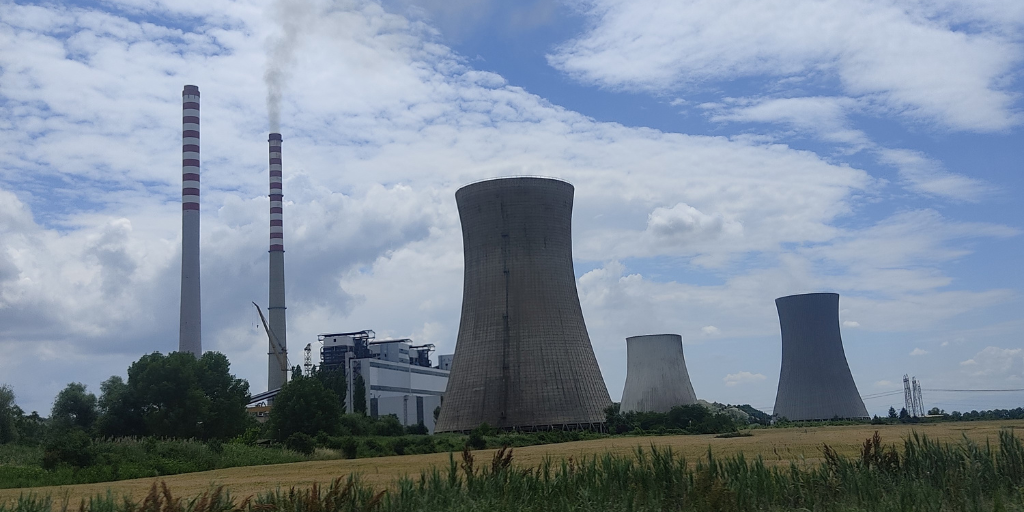
280 million euros of North Macedonia’s public money going up in smoke
January 30, 2023 | Read more
North Macedonia’s government, through the state-owned energy production company AD ESM, has spent hundreds of millions of euros on imports of coal, heavy oil and fossil gas to keep the country’s fragile energy system going during the energy crisis. The result is a significant increase in emissions of air pollutants and serious damage to the environment and public health.
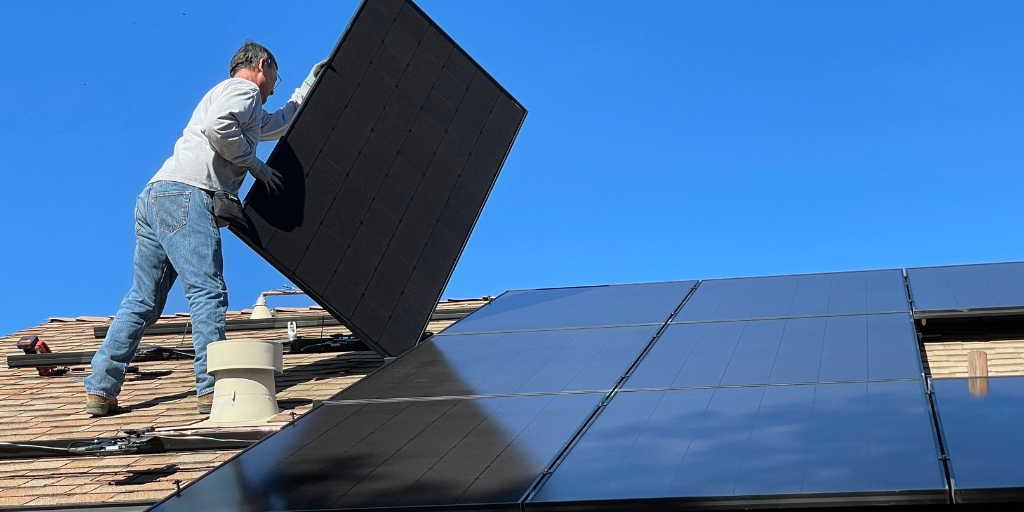
Speeding up investments in a sustainable district heating system powered by solar energy would not only help cut greenhouse gas emissions and heating bills; it would actually save lives.

