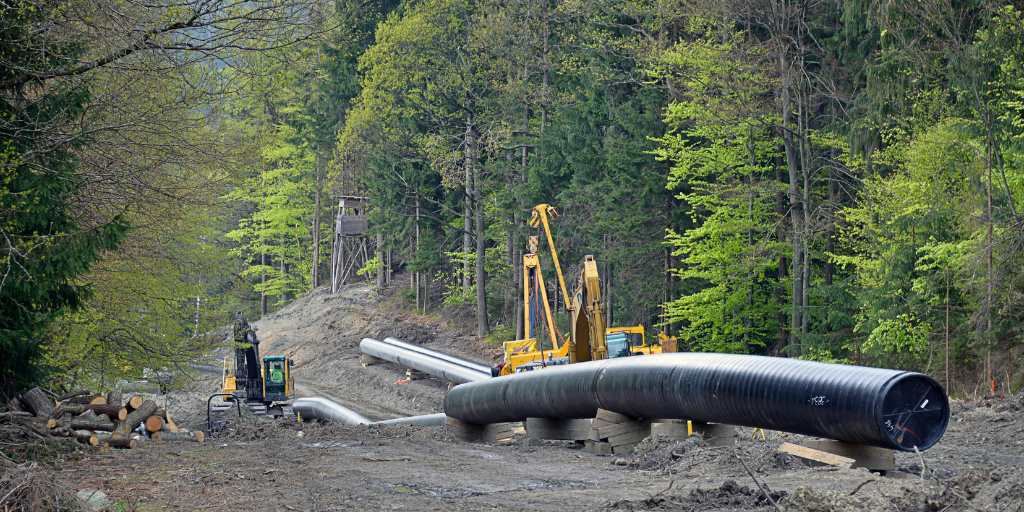
How many elephants does it take to build a gas pipeline?
January 23, 2023 | Read more
In October 2022, the EBRD published no fewer than eight environmental and social assessments on the Greece – North Macedonia fossil gas pipeline for public consultation. Thousands of pages analyse every nook and cranny along the planned route, but fail to notice the elephant in the room: the project’s massive greenhouse gas emissions.
Six months after the proposal was put forward, a deal was struck by EU negotiators on the financial leg of the REPoweREU plan, the EU’s strategy to cope with the energy crisis and phase Russian fuels out of the market. National governments will be invited to quickly add new chapters to their recovery plans, which is potentially good news and a chance to further invest in the energy transition. However, Member States must avoid falling into the trap of fossil fuels, which are making a comeback in the palette of investments eligible for EU funds.
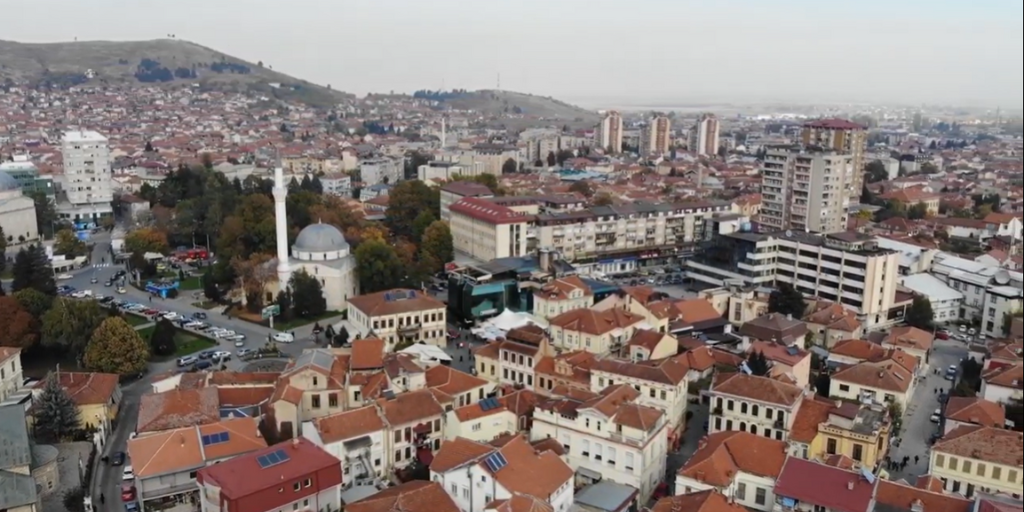
The government in North Macedonia wants to link the 40 year old REK Bitola power plant to the regional heating system. But cementing the dependence on fossil fuels would be reckless. Instead, a new study finds that fitting houses in Bitola with air conditioning and solar panels could keep people warm, cut air pollution and even shield against increasingly volatile energy prices. Such households forming energy communities, the study shows, could not only lower initial investments but even generate them some income.

Public participation at stake in participatory processes in the EU
December 16, 2022 | Read more
The end of 2022 coincides with the conclusion of the preparation of the 2021-2027 cohesion policy. Soon, the European Commission will approve the last partnership agreements and operational programmes outlining the investment priorities and specific objectives for the following years. At the same time, there are other important processes to follow at the European and national levels.
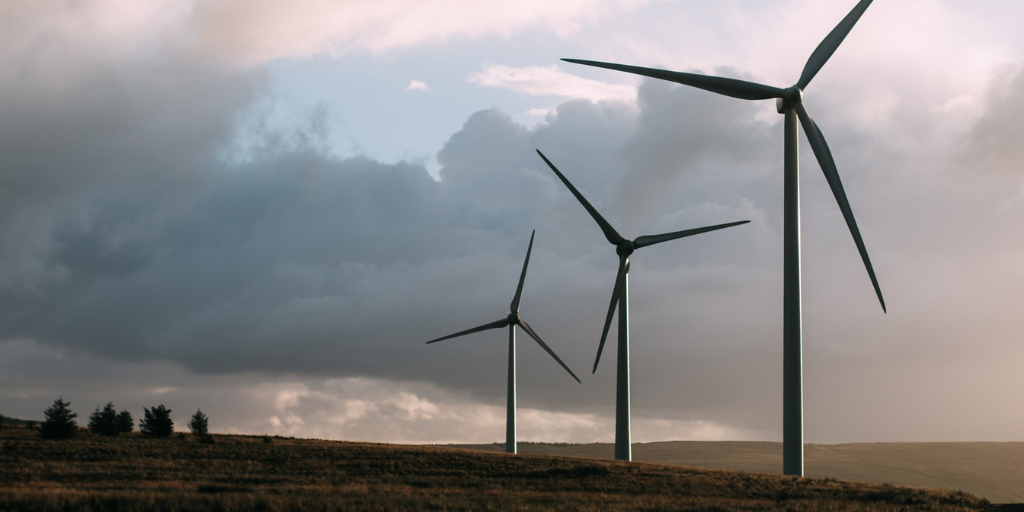
This Wednesday, the European Parliament plenary will vote on changes to the Renewable Energy Directive. But the proposals seriously undermine environmental safeguards and set impossibly tight deadlines.
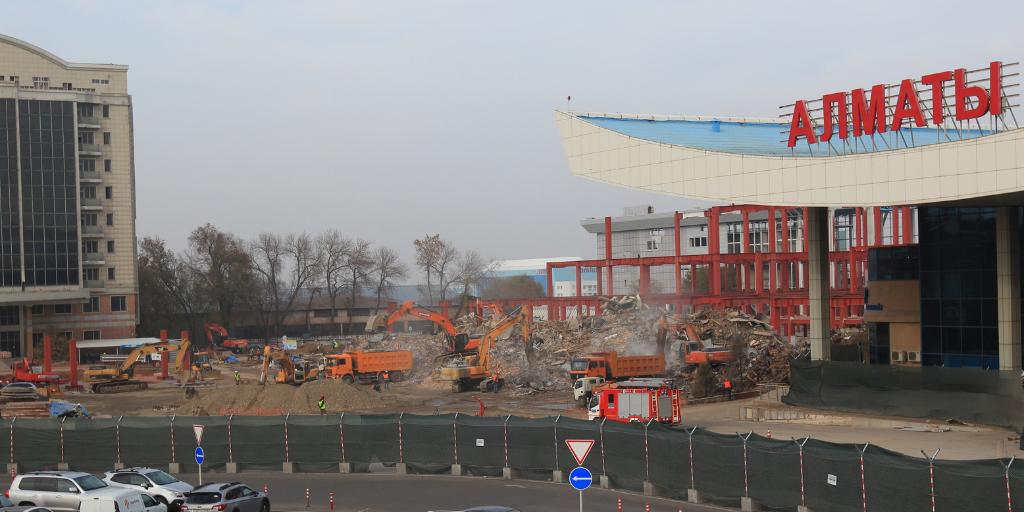
Almaty’s Green City Action Plan: a plan for destructive creation?
December 8, 2022 | Read more
The Kazakh city of Almaty joined the European Bank for Reconstruction and Development (EBRD)’s Green Cities initiative in 2019. How does the first Green City Action Plan in Central Asia reflect public participation?

