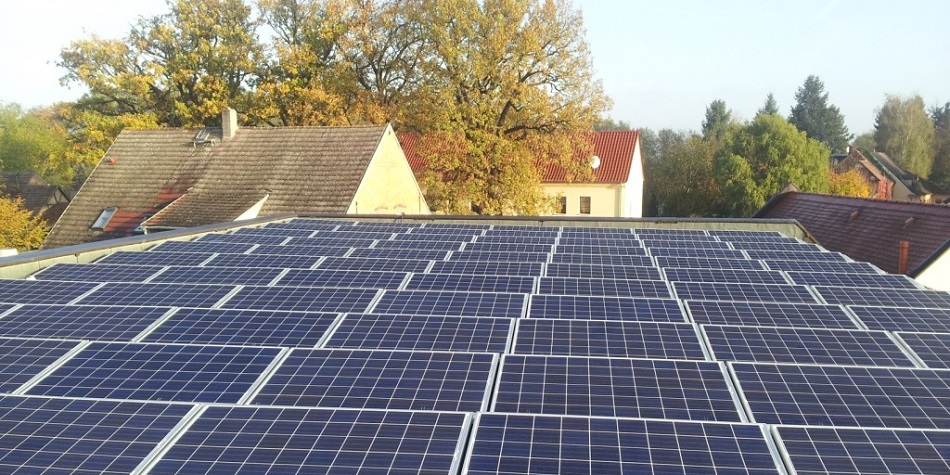
In Slovakia, a shining example of EU funds for renewables and families
December 11, 2018 | Read more
There is a sad joke in Slovakia that the country could become a museum for renewable energy sources (RES). Not because the Slovak physicist Aurel Stodola invented in 1928 the world’s oldest heat pump that still powers Geneva’s city hall, but because of its antiquated energy policy that lacks systematic support for renewables at the local and national levels.
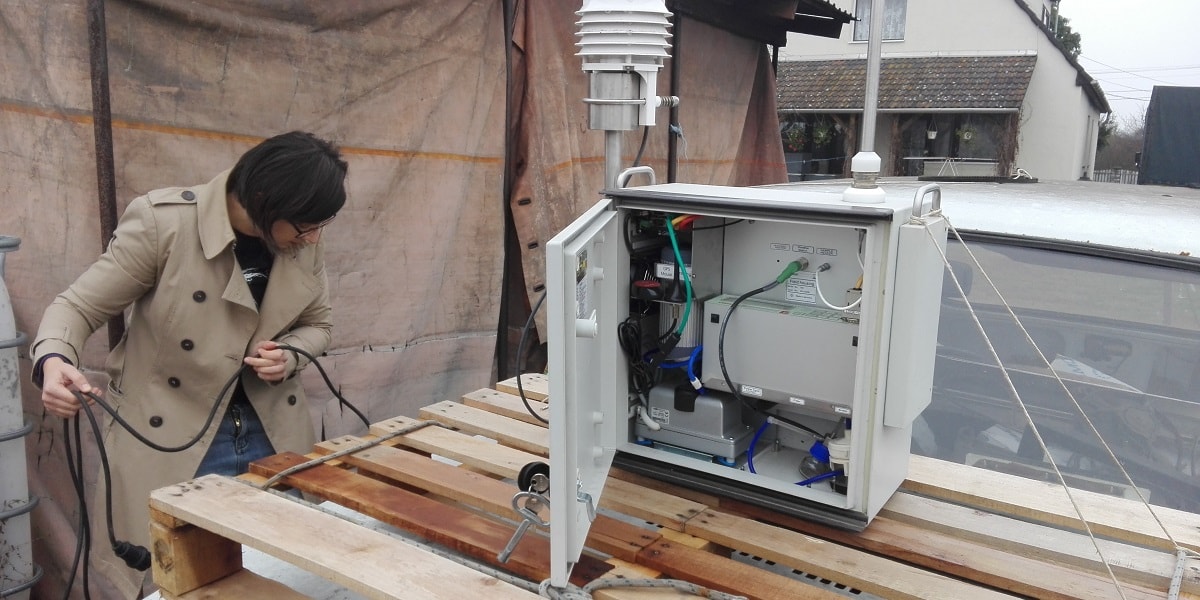
As new mines mushroom in Borsod-Abaúj-Zemplén (BAZ) county, Hungary, air pollution picks up the pace, our independent air monitoring shows. Authorities need to help people move towards cleaner heating systems and put an end to coal mining in the region.
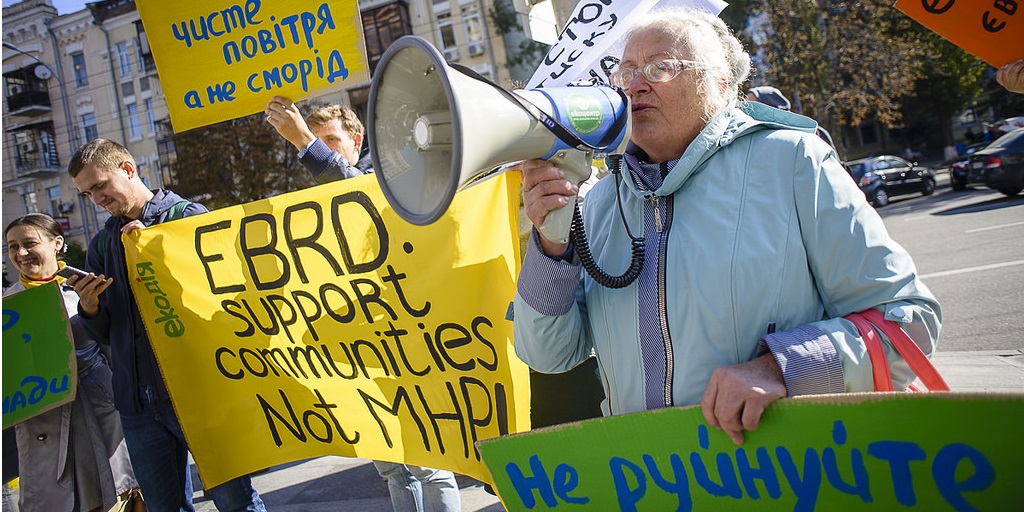
Today 10 December marks the seventieth anniversary of the Universal Declaration of Human Rights. To coincide with this milestone, Bankwatch together with more than 200 organisations globally has called on international financiers [1] to ensure that these institutions support the realisation of human rights, avoid causing or contributing to rights abuses, promote an enabling environment for public participation, and safeguard rights defenders.
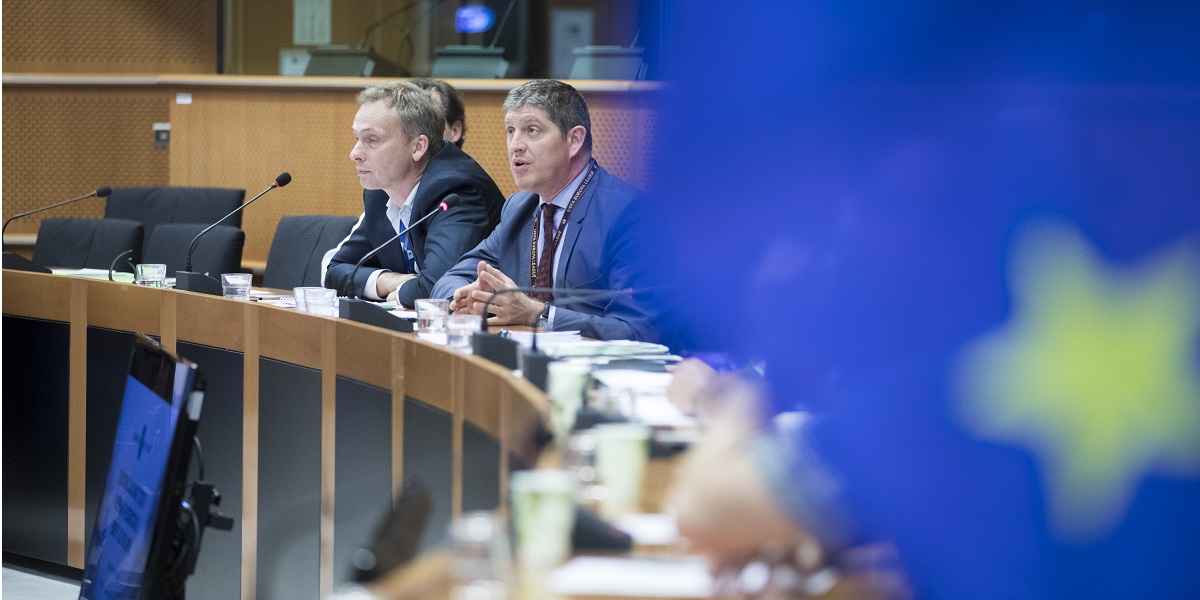
The European Parliament urged the EBRD and EIB to review their support for hydropower plant projects in its last week’s resolutions on the European Commission’s 2018 reports on Albania and Montenegro. The votes come as a clear sign that the European institutions are starting to reconsider their support for hydropower as green energy.
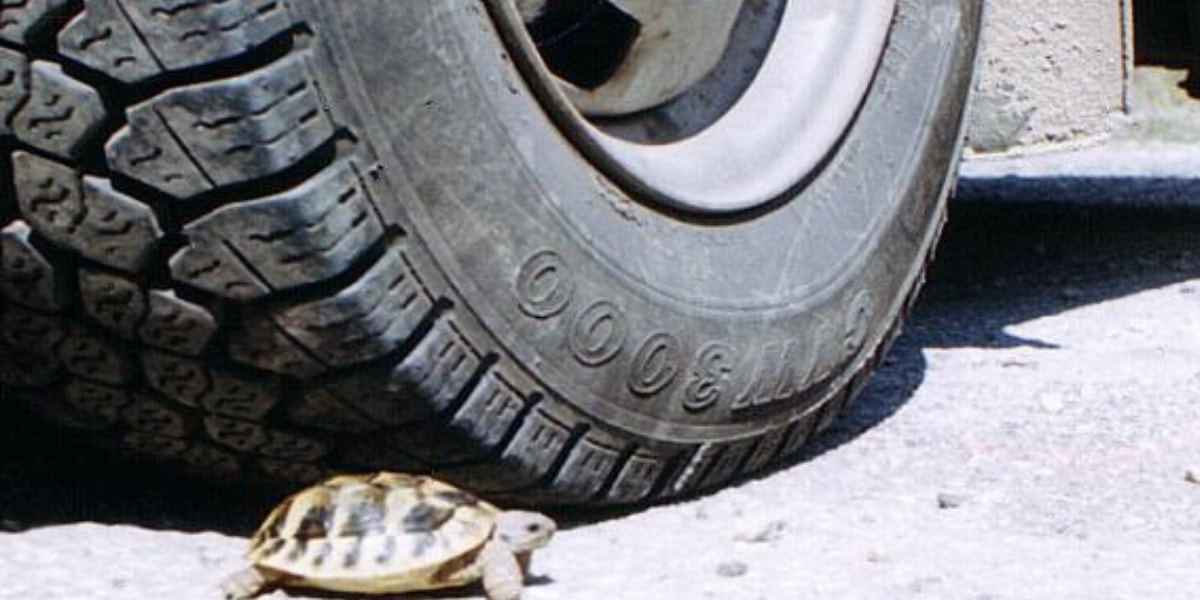
With construction advancing in Bulgaria’s Kresna gorge, discussion happening now at the Bern Convention in Strasbourg having taken on an increased sense of urgency.
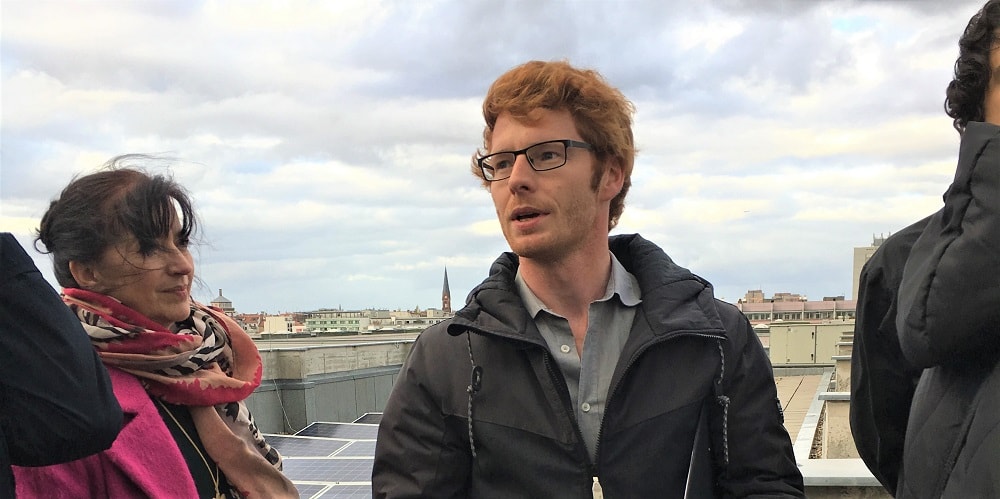
Lessons learned from Germany’s 20-year experiment in energy transformation
November 19, 2018 | Read more
Germany pioneered broad support measures for renewable energy by the late 1990s. These measures, referred to as Energiewende or ‘energy transformation’, offer a valuable insight for other countries, which introduced support mechanisms for renewable energy later or have not done so yet.

