EBRD confirms it will not finance New Kosovo coal plant
Blog entry | 13 November, 2018Following the World Bank’s recent statement [1] that it will not provide support for the 500 MW New Kosovo coal power plant, the EBRD has now followed suit by confirming that it is not considering support for the project.
Read more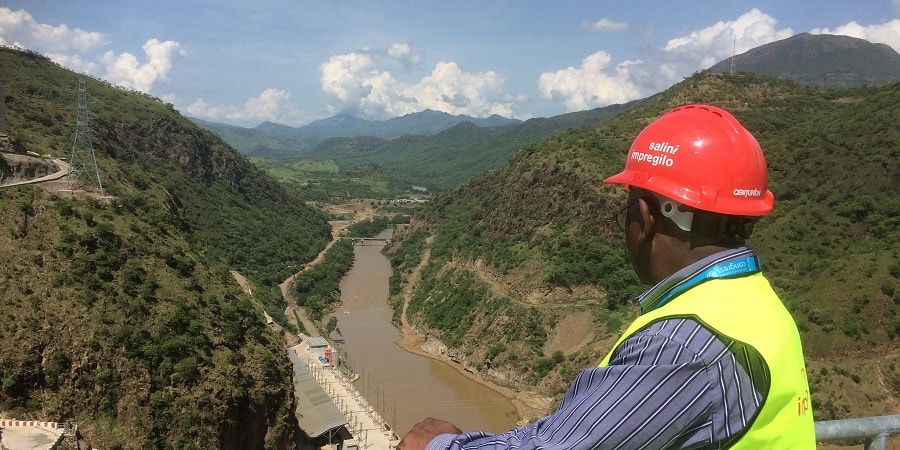
Controversial dam project in Georgia abandoned by constructor
Blog entry | 30 October, 2018Already mired by controversy, the billion dollar Nenskra hydropower plant is now facing another major hurdle as the company contracted to realize the project is now leaving it.
Read more
EBRD renewable investments finally matched its fossil fuel investments in 2017 – So why is the bank’s draft Energy Strategy still fixated with gas?
Publication | 15 October, 2018The European Bank for Reconstruction and Development has recently issued a new draft Energy Strategy for public consultation that will define its activities in the energy sector from 2019-2023. It clearly commits to halt all direct financing for coal p
Read more
EBRD – still fixated on gas despite IPCC warnings
Blog entry | 15 October, 2018In its new draft strategy for the energy sector, meant to guide the bank’s lending between 2019-2023, the EBRD gives too much prominence to gas as a so-called “bridging fuel” on the way to decarbonisation – much more prominence than is given to energy savings and even to sustainable renewables.
Read more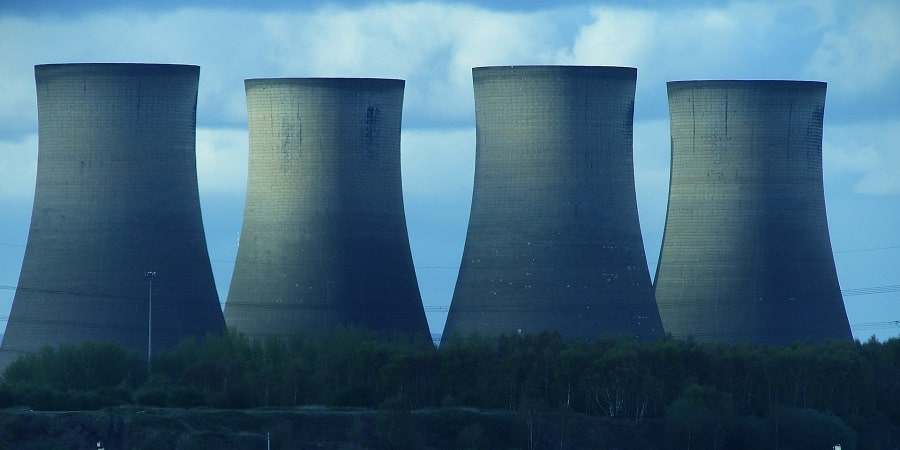
European public banks continue financing coal bonanza
Blog entry | 1 October, 2018The EIB and EBRD have been channelling billions of euros in public money to fossil fuels dependent companies, hampering the international community’s efforts to tackle climate change.
Read more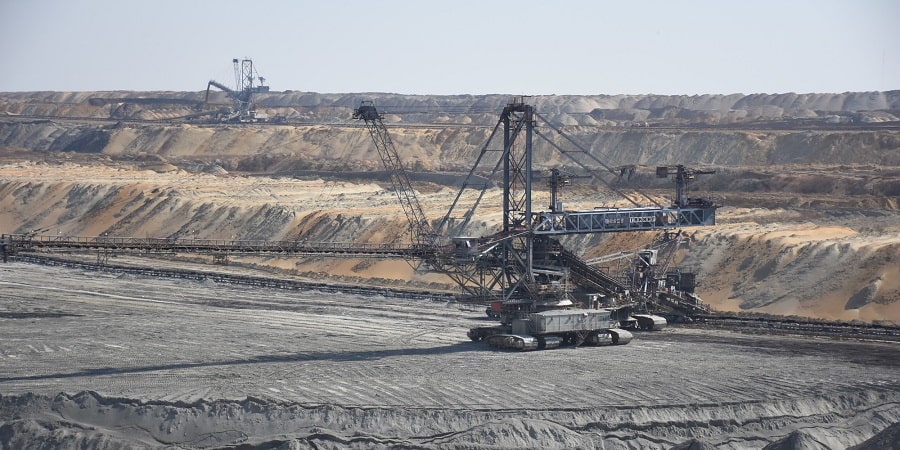
200 million euro EBRD loan to Serbian energy giant EPS under investigation
Press release | 1 October, 2018Prague, Belgrade – The independent grievance body of the European Bank for Reconstruction and Development (EBRD) has started investigating a EUR 200 million ‘restructuring loan’ granted in 2015 to Elektroprivreda Srbije (EPS), the largest energy company in Serbia, following a complaint by CEE Bankwatch Network and Serbian environmental group CEKOR.
Read more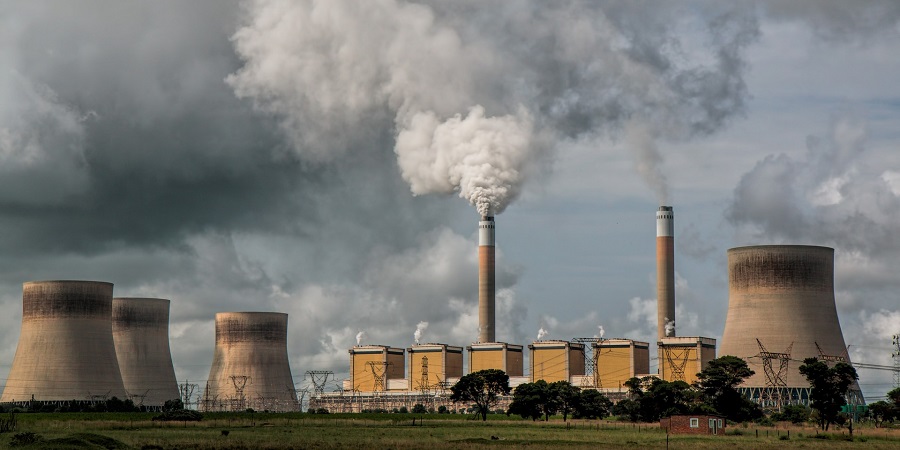
65 groups from 28 Countries tell EBRD and EIB to stop financing fossil fuels
Publication | 28 September, 2018The letter is written on the need to ensure the ongoing energy reviews at the European Bank for Reconstruction and Development and the European Investment Bank are aligned with the Paris Agreement goals.
Read more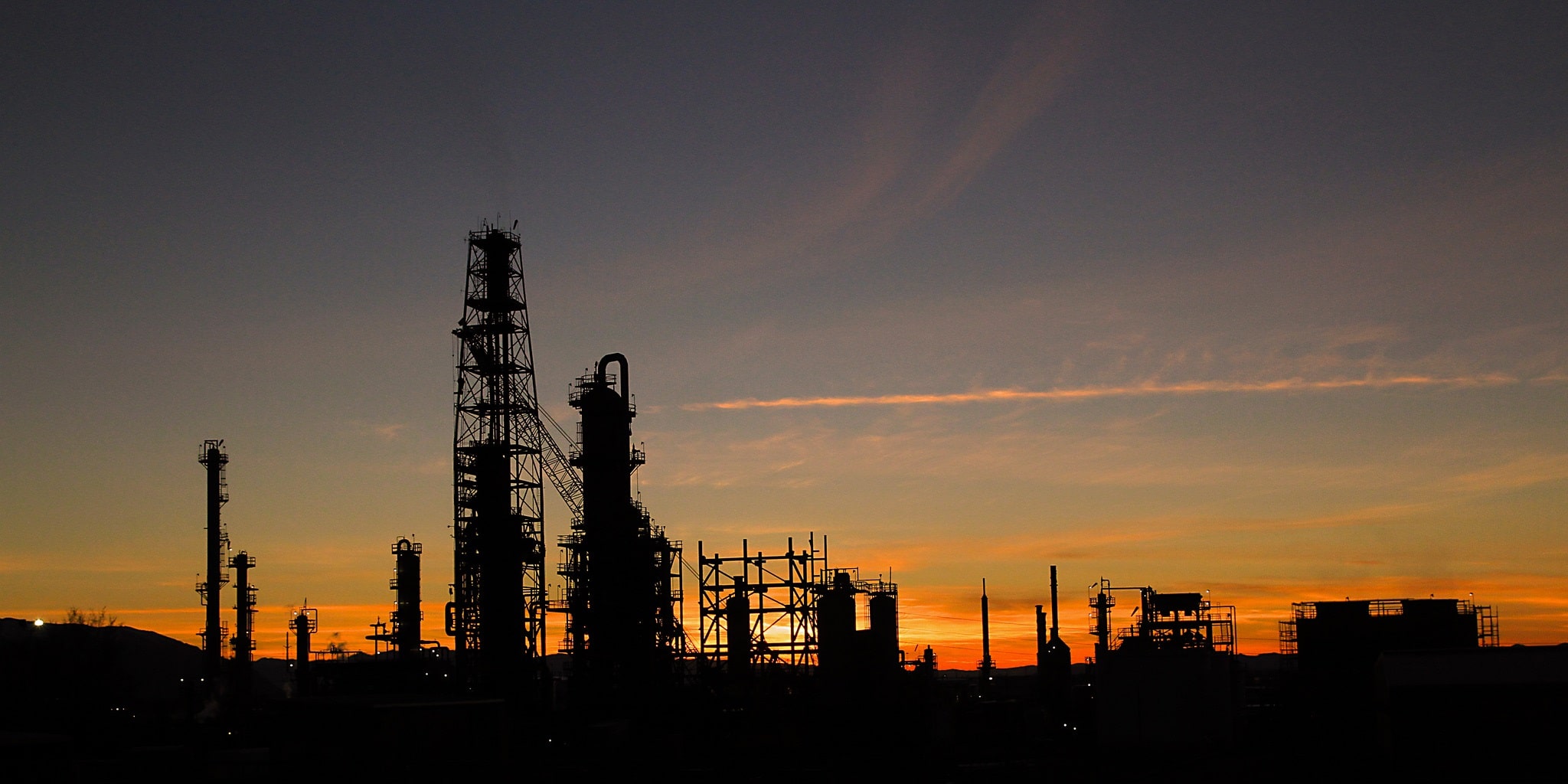
European development money helps sustain fossil fuels-based companies – report
Press release | 27 September, 2018Five of Europe’s biggest climate offenders continue to enjoy billions of euros in public funds, according to a Bankwatch report released today.
Read more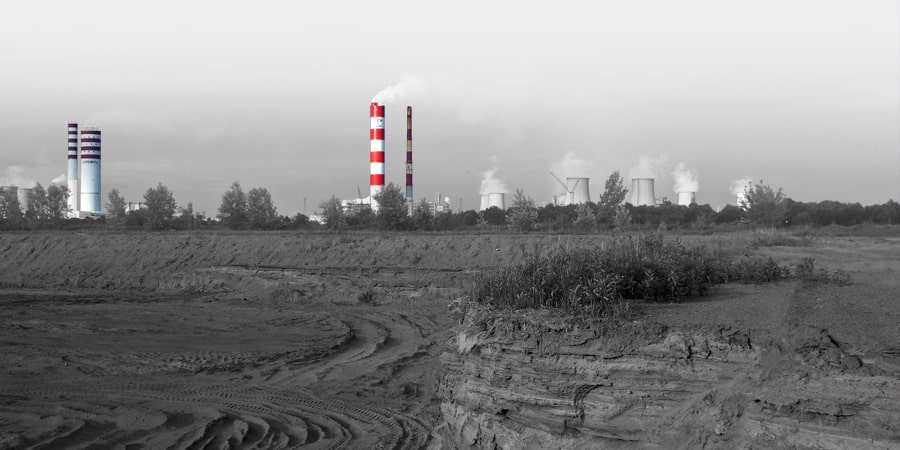
European public funding for fossil fuel-dependent companies
Publication | 27 September, 2018CEE Bankwatch Network follows closely the EBRD’s ‘sister institutions’ and actively advocates for improvement of their lending policies. As the European Investment Bank (EIB) is expected to review its 2013 ‘Screening and Assessment Criteria for Energy
Read more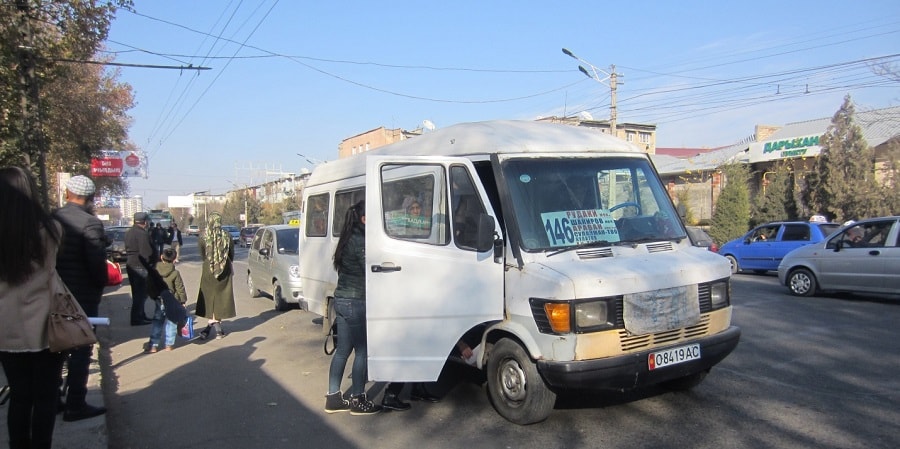
Gender inclusion in the EBRD public transport and water projects in southern Kyrgyzstan
Publication | 20 September, 2018The research team has conducted a survey that was focused on gender inclusion in the EBRD funded public transport and water projects in Osh, the second largest city in Kyrgyz Republic. The outcome of this publication revealed that the bank’s objectives
Read more
