
Crunch time at Sostanj
Blog entry | 5 November, 2012November is shaping up to be crunch time for a new 600 MW lignite plant planned to be built at Sostanj in Slovenia. If the Slovenian government doesn’t manage to offer a state guarantee for loans from European public banks that should cover half the construction costs by the end of this month, the project could fail. At Bankwatch, we’re preparing our popcorn for the latest Sostanj thriller, on show across Europe this month.
Read moreНовая политика деятельности ЕБРР в горнодобывающем секторе: оценка содержания и консультационный процесс
Publication | 2 November, 2012На прошлой неделе без особой огласки увидела свет долгожданная новая Политика деятельности ЕБРР в горнодобывающем секторе. Представители ЕБРР потратили более трех лет на подготовку этого документа, дающего нам надежду на то, что Банк усовершенствует свою деятельность в горнодобывающем секторе. К сожалению, наши надежды по большей части не оправдались.
Read more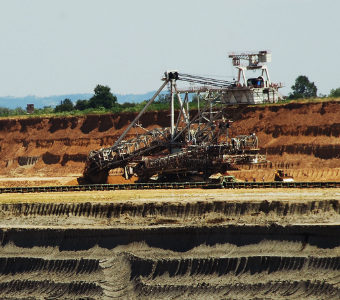
‘Comments noted’, business as usual continues. The marginal public influence on the EBRD’s new mining policy
Blog entry | 2 November, 2012After long delays and more than 3 years of preparation the European Bank for Reconstruction and Development has finally completed and published a policy for its operations in the mining sector. Both the consultation process and the final outcome must leave “the consulted stakeholders” disappointed.
Read moreThe EBRD’s new Mining Operations Policy: A commentary on consultation process and content
Publication | 2 November, 2012The long awaited EBRD Mining Operations Policy was released last week without much noise. It has taken the EBRD more than 3 years to prepare a document which had raised hopes it could improve the bank’s activities in the mining sector. Most of these hopes, however, have not been fulfilled.
Read more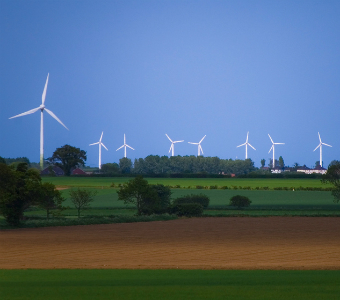
How Ukraine can survive without nuclear – renewable energy potentials reviewed
Blog entry | 22 October, 2012A closer look at Ukraine’s energy strategy reveals fundamental flaws in the government’s plans to continue using old nuclear reactors and its rhetoric of nuclear being the only possible alternative.
Read moreCovering the Balkans in Soot: The New European Energy Community Strategy Favours Fossil Fuel Reliance
Press release | 17 October, 2012Brussels — Neighbouring countries of the EU from the Western Balkans to Ukraine are planning unsustainable energy futures relying on coal and nuclear. An energy strategy for the region to be approved Thursday by the European Energy Community indicates that such investments in dirty fuels could happen with EU support and financing.
Read moreNew Slovene legal requirements for Šoštanj lignite power plant (TEŠ 6) regarding CCS
Publication | 17 October, 2012On September 8, 2012 new legislation entered into force in Slovenia that requires TEŠ to prepare an assessment of the CCS readiness for its new Unit 6. Pursuant to this legislation, proper assessment of the CCS readiness for the Unit 6 has not taken place yet. As a result, TEŠ has not met the legal requirements regarding the CCS assessment and therefore it is not possible to determine its CCS readiness under the Slovene law. Letter available as pdf: Letter to the European Investment Bank >>> Letter to the European Bank for Reconstruction and Development >>>
Read moreComments on draft European Energy Community Strategy – an unsustainable energy future
Publication | 15 October, 2012Neighbouring countries of the EU from the Western Balkans to Ukraine are planning unsustainable energy futures relying on coal and nuclear. The energy strategy of the European Energy Community indicates continued reliance on coal and nuclear energy which could happen with EU support and financing.
Read more
Money, and the EU’s climate agenda, to burn: EBRD mining strategy on a carbon collision course
Publication | 9 October, 2012With the EBRD due to sign off on its new mining strategy in November this year, 22 MEPs have pointed out in an open letter to European commissioners that given the state of the policy draft the bank risks contradicting the EU Resource Efficiency Roadmap and responsible mining principles. At risk of being compromised too, Bankwatch believes, are the EU’s 2020 strategy and EU commitments on climate change and biodiversity protection.
Read more
Trust us, we’re euphoric – Private equity and a tax haven part of the EBRD’s first post-Arab Spring swoop
Publication | 8 October, 2012For its first loan to ‘Arab Spring’ countries the European Bank for Reconstruction and Development has chosen vehicles and partners whose ability to deliver developmental value is highly uncertain.
Read more
