EIB restricts – but does not eliminate – coal and other fossil fuel lending
Press release | 24 July, 2013Brussels — The European Investment Bank (EIB) announced today an energy policy that while introducing stringent criteria for financing coal power plants does not eliminate the possibility of support for coal or other fossil fuel energy sources.
Read moreOpen letter to EIB: Improvements for energy policy draft
Publication | 19 July, 2013The letter, signed by nine NGOs, think tanks and an asset management company, acknowledges the positive step the European Investment Bank has taken with its draft policy “EIB and Energy: Delivering Growth, Security and Sustainability” but also suggests a number of elements that need to be tightened to make the EIB’s energy lending policy policy fit for purpose in reducing risks of high-carbon lock-in for the EU electricity system.
Read more
New facts are busting energy myths
Blog entry | 18 July, 2013Adequate decision making on energy policies must be based on accurate information and cannot rely on outdated knowledge and misconceptions. A new series of fact sheets explores the myths and facts of Europe’s energy sector.
Read more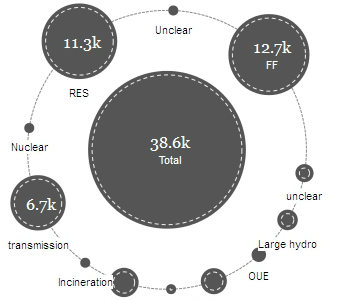
UPDATED: A guide to examining the European Investment Bank’s energy lending portfolio
Blog entry | 17 July, 2013A thorough check of the European Investment Bank’s energy lending data shows that not all is as rosy as the EIB would like to see it. We’ve paired up with Open Spending to provide an introduction into how to interpret and scrutinise the numbers.
Read more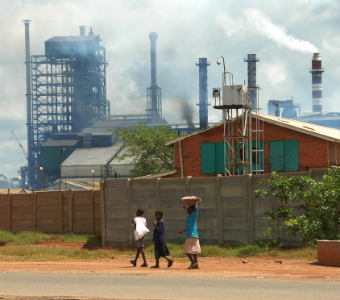
The EIB and development, a chance to clean up the bank’s act
Blog entry | 11 July, 2013The current review of the European Investment Bank’s mandate for lending outside of the EU brings some of the pitfalls of the bank’s development lending to the fore and offers a chance for improvements.
Read moreBankwatch comments to the EIB draft energy policy
Publication | 9 July, 2013The EU’s global leadership on climate change is set to take another blow if the European Investment Bank, the EU house bank and one of the world’s largest public lenders, adopts a future energy lending policy as presented yesterday to the public. The draft policy includes weaker standards for lending to coal plants than currently proposed in both the US and Canada.
Read more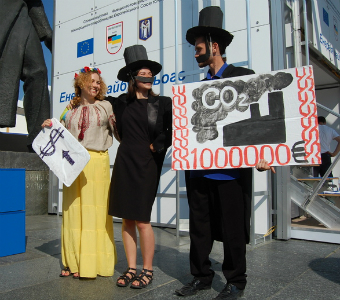
The EU’s bank is less ambitious than the US in restricting energy from coal
Blog entry | 5 July, 2013It may have been easy in the past for Europeans to bash the US for being retrograde when it comes to climate policies, but after last week it will get more difficult to do that.
Read moreNew EIB Energy Policy: A Missed Opportunity
Press release | 25 June, 2013Brussels — The EU’s global leadership on climate change is set to take another blow if the European Investment Bank, the EU house bank and one of the world’s largest public lenders, adopts a future energy lending policy as presented yesterday to the public. The draft policy includes weaker standards for lending to coal plants than currently proposed in both the US and Canada.
Read moreInvest in haste, repent at leisure – Are IFIs behaving as if EU accession criteria and extreme energy losses do not exist in South East Europe?
Publication | 25 June, 2013South-eastern Europe is riddled with poor planning and corruption in the energy sector and its governments are proving slow to react to the challenges and opportunities offered by the decarbonisation agenda.
Read more
A tale of neglect: Energy finance figures from the Western Balkans
Blog entry | 25 June, 2013The neglect by international financial institutions of the Western Balkans sustainable energy potential will cost the region’s public heavily for years to come. Figures collected in a new study illustrate how the different international lenders perform in the region.
Read more
