• Skip to primary navigation
  • Skip to main content
  • Skip to footer

Bankwatch

  • About us
    • Our vision
    • Who we are
    • 30 years of Bankwatch
    • Donors & finances
    • Get involved
  • What we do
    • Campaign areas
      • Beyond fossil fuels
      • Rights, democracy and development
      • Finance and biodiversity
      • Funding the energy transformation
      • Cities for People
    • Institutions we monitor
      • European Bank for Reconstruction and Development
      • European Investment Bank
      • Asian Infrastructure Investment Bank
      • Asian Development Bank (ADB)
      • EU funds
    • Our projects
    • Success stories
  • Publications
  • News
    • Blog posts
    • Press releases
    • Stories
    • Podcast
    • Us in the media
    • Videos

Home > Archives for What better time - stories

Hope for a phase-out of coal from households

New boilers: hope for a phase-out of coal from households

Country: Czech Republic
EU funding: EUR 350 million

Aiming to reduce air pollution from household heating, the Operational Programme Environment has designed a scheme to exchange small boilers for heating homes with newer and cleaner ones.

In its first phase though, the programme supported sources that relied on burning coal, missing an opportunity to reduce CO2 emissions together with air pollution. During the second call for requests, the Ministry of Environment got it right and ruled out support for coal boilers, though it was still possible to ask for combined coal and biomass heat sources. Efforts by Bankwatch member Hnutí DUHA have started to pay dividends in the next round of the Operational Programme Environment, finally some results have shown.

… the plan sets special conditions for low-income households

Hnutí DUHA elaborated an effective plan to tackle household coal use and help families or individuals who, even with state aid, cannot afford to change their old coal boilers. The key components of the plan are to:

  • reform the boiler subsidy rules in order to help especially the decommissioning of coal-fired boilers, and adding the possibility of financing new stoves which meet the strictest environmental standard. At the same time, the plan sets special conditions for low-income households, including pre-financing, interest-free loans, and municipal or social assistance with administration and implementation.
  • introduce a carbon tax where revenues would be used for the continuation of national boiler subsidies;
  • increase the fee on brown coal mining and use the revenues for the continuation of subsidies; and
  • Increase gradually the standards leading to an end of coal heating by 2030.

The Czech Ministry of Environment has, since 2015, received about 65 000 applications and  invested almost EUR 250 million from EU funds for the boiler replacement scheme. Another 30 000 replacements are expected in the coming years.

On 8 November 2018 during the Clean Air dialogue with the Czech Minister of Environment,  steps towards these suggested solutions were made, including the replacement of old stoves as part of the New Green Savings programme, as well as the launch of a pilot project in the Moravian-Silesian region for interest-free loans to purchase new boilers, with financing for those who would help with administration.

The introduction of a carbon tax is also still on the table, as the Ministry has already asked for an impact analysis and continues negotiations with the Ministry of Finance.

Bucharest thermal treatment plant

Bucharest thermal treatment plant and energy recovery of municipal waste

Country: Romania
EU funding: EUR 180 million

An incinerator for Bucharest has been under discussion for some time, first appearing in the Large Infrastructure Operational Programme 2014-2020 under Pirority Axis 3. The project would consist of a waste energy recovery facility, two biodigester and microbiological treatment station for the waste sorting station. The incinerator could process 300 to 350 000 tonnes per year and produce 124 000 MWh/year of electricity and 350 000 MWh/year in thermal energy.

Bucharest has signed a contract for technical assistance services to plan the project, but preparations cannot begin until a master plan for city-wide integrated waste management system is completed. After public consultations on the master plan in November, some amendments were made, and a plan is set to be approved.

Three locations have been considered for the project, two of which are former assets of ELCEN – the largest producer of electric and thermal energy in Bucharest, now in insolvency and undergoing restructuring.

Planning to build this incinerator is clearly against the principles of prevention and reduction of waste.

Media reports suggest that construction should be finalised by 2020.

Romania already faces an infringement procedure that was initiated in May 2017 when the European Commission sued the country for failing to close 68 landfills before November 2015. Planning to build this incinerator is clearly against the principles of prevention and reduction of waste.

The authorities should focus on the implementation of measures to promote the development of infrastructure for separate collection and recycling. Local NGOs claim that the inclusion of the incinerator in the National Waste Management Plan is based on a simple analysis of CO2 emissions, and does not include all emissions produced by incineration and the effects they may have on human health.

Bratislava bypass

Bratislava bypass

Country: Slovakia
EU funding: EUR 1.76 billion

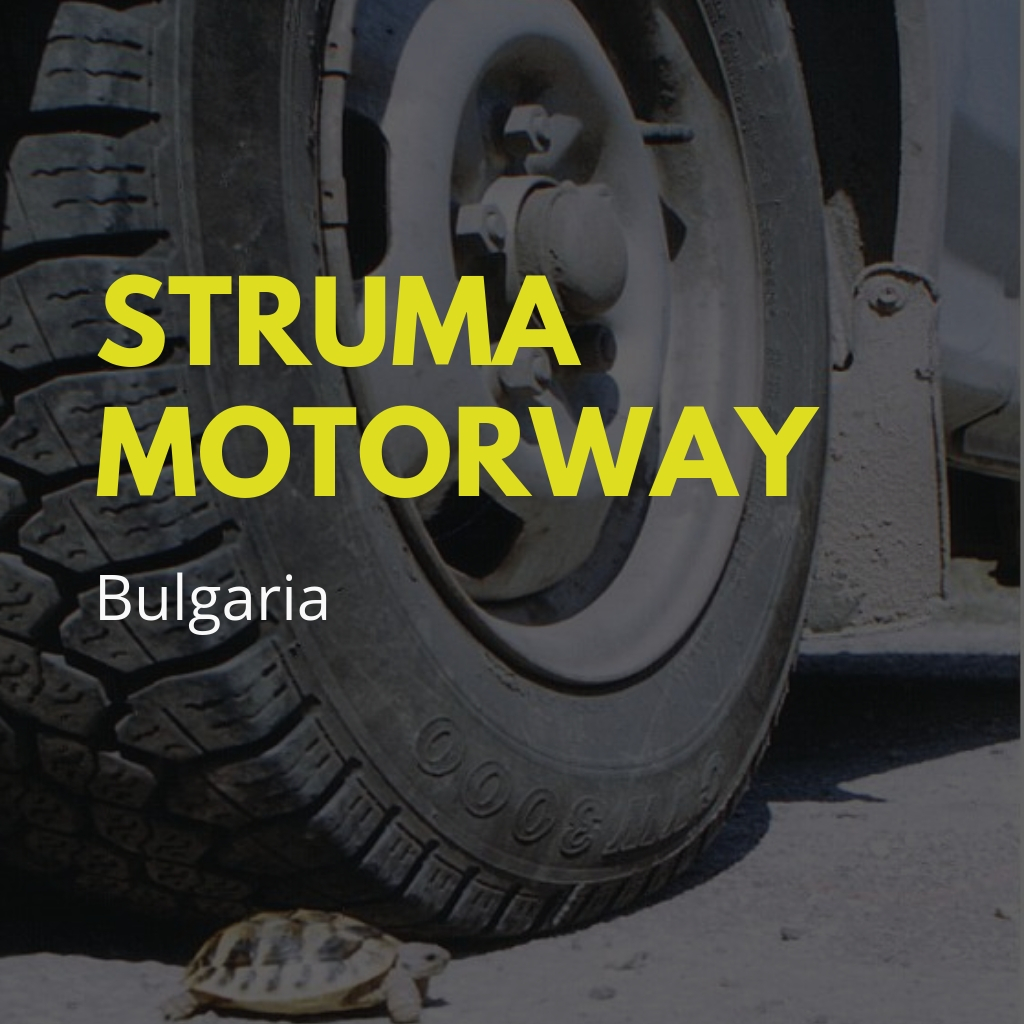
The Bratislava bypass D4/R7 in the Slovak capital was announced before a full project assessment had taken place and given the go-ahead based on manipulated data that belied a conflict of interest.

The data favoured a public-private partnership variant instead of state financing, with the idea being that construction would start in March 2016 and the first section operating by November 2018. However construction was delayed more than half a year, and there are no signs of the first section being finalised as of November 2018. So, the calculated benefits of the PPP option are not as favourable as planned.

For the price tag of the bypass, Bratislava could have put in place other alternatives, like a modern, integrated transport system that would encourage people to switch from car to urban transport and help the EU pursue its decarbonisation objectives.

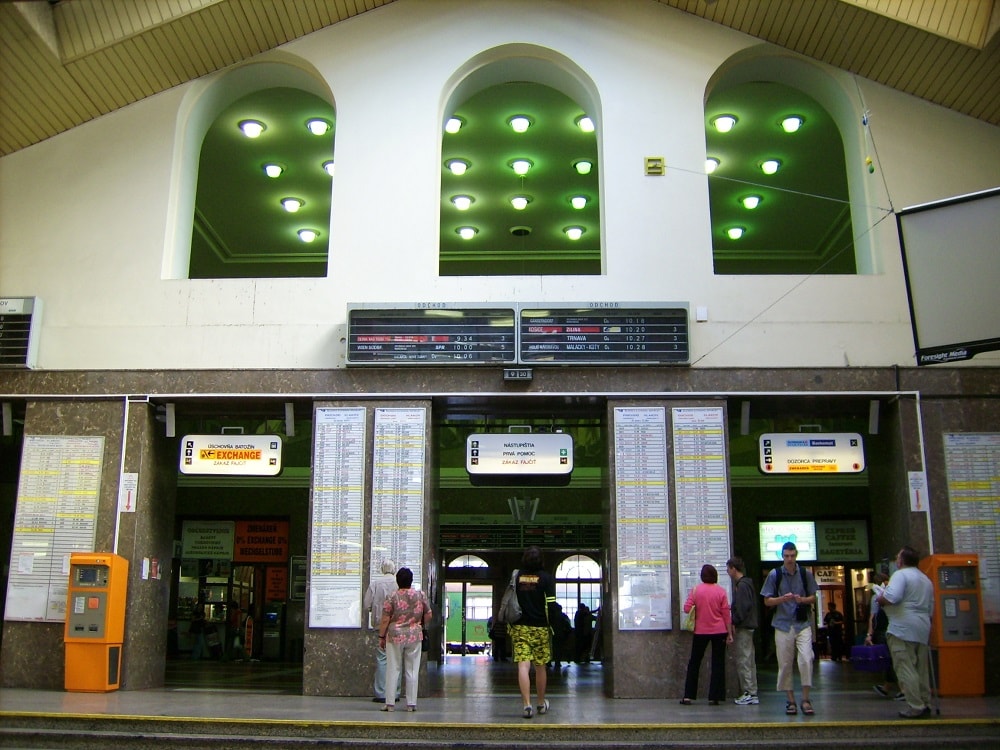
Bratislava main train station – where barrier-free access is still a science-fiction. (Photo: photobeppus, CC BY-SA 2.0)

Slovak authorities are currently investigating the mining of gravel and disposal of waste in an area protected because it is the largest sources of drinking water in central Europe. Mayors of local villages and civic associations have complained that suppliers for the Bratislava bypass D4/R7 mine materials without legal permits.

Using technical assistance for capacity building to build better partnerships

Training for partnership

Country: Latvia
EU funding: EUR 763 636

This technical assistance project provides training to institutions involved in managing EU Funds, with support also for cooperating partners to strengthen their ability to participate in monitoring of public spending, in line with the partnership principle, in order to minimise the risk of issues like corruption and fraud.

One of the goals of the project is to develop a national anti-fraud strategy for Cohesion Policy and a risk management strategy that will also include anti-fraud and anti-corruption identification and mitigation measures.

By offering the opportunity to strengthen the partnership principle and build capacity of civil society groups to take part in the monitoring process of the EU funds, the project plays an important role for ensuring that spending the future EU budget is transparent, and civil society has an important role to play in how the spending is allocated.

Trainings to date had excluded civil society groups that are not already part of official monitoring committees, meaning that only those already ‘in the know’ could participate, limiting the possibility to build others’ capacities. The importance, then, of the present technical assistance project is that it enables a greater role for civil society in ensuring EU funds deliver on their stated intentions.

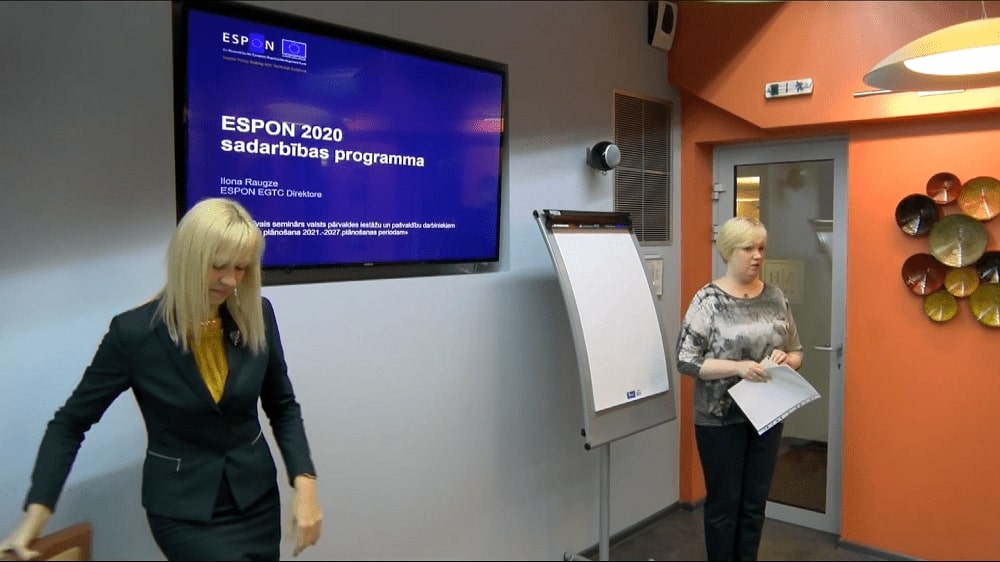
Informative seminar "Planning of EU funds for the period 2021-2027"

Budapest waste incinerator (HUHA2) – Hungary

Budapest waste incinerator (HUHA2)

Country: Hungary
EU funding: EUR 161 million

Since 2016, the Hungarian government and the city of Budapest have been considering a second waste incineration power plant to rid the country of sewage sludge, and while a relatively cheap method, it is not particularly effective. Though the European Commission did not seem to support the proposal, it was still considering the possibility of co-incinerating the sludge with communal solid waste, which is now cheaper than landfilling.

The project presents a number of problems, most notably in that it contradicts other EU projects underway in Budapest aimed at recycling and composting. If recyclable and compostable waste are to be incinerated, it would need to be transported to Budapest from further afield in order to ensure enough waste inputs for the project to be economically viable.

… it contradicts other EU projects underway in Budapest aimed at recycling and composting

Building such an incinerator is also much more expensive and would create much  far fewer jobs than recycling and re-use. As the waste input is low in energy content, the energy generated would be small, and nearly a quarter to one half of the outputs would be toxic and still in need of landfilling. There is also the health risk associated with air pollution from the incinerator, which would affect hundreds of thousands of people in Budapest and surroundings.

In October 2018, in the latest modification of the Annual Development Framework in the Environment and Energy Operational Programme (EEOP) – under which the Budapest incinerator project was to be funded – the project was proposed to be deleted and its funding shifted for smaller, regional water treatment projects.

Fortunately this modification was approved approved by authorities, and a December 2018 government declaration ordered the energy minister to arrange the termination of the project contract by end of January 2019. The minister is also required to look at other opportunities that fits the EEOP and that would involve the Budapest municipality. This likely means an end to the Budapest incinerator plan, which is not economically viable without EU funds. The apparent abandonment of the plan seems to be linked with the Commission’s ongoing disapproval of the project. Its position was bolstered by a recent Commission report on the poor implementation of the EU’s waste directive in central and eastern Europe, where waste treatment and incineration take precedence over waste prevention, reuse and recycling.

In the new EU budget, the Commission and the European Parliament have both proposed to direct EU funding to projects higher up the waste hierarchy, meaning that make new incinerator plans should become obsolete after 2020.

District heating may burn waste as a renewable energy source

EU funding: EUR 128 million

The Hungarian Environment and Energy Operational Programme is funding efficiency and renewable energy developments for municipal district heating systems. 

The problem is that the projects and plans do not exclude the option of producing heat by incinerating solid “biomass” waste (the portion of household waste that qualifies as “biomass”, other communal waste or sewage sludge is excluded).

Incinerating communal solid “biomass” waste will jeopardise Hungary’s ability to meet its waste prevention targets and as well poses risks of air pollution. In addition, solar energy is not considered an eligible project under this scheme.

Instead of the proposed project, composting biodegradable waste should be given priority over its incineration, and clear criteria about what constitutes acceptable forms of biomass as renewable energy should be developed.  

« Previous Page

Footer

CEE Bankwatch Network gratefully acknowledges EU funding support.

The content of this website is the sole responsibility of CEE Bankwatch Network and can under no circumstances be regarded as reflecting the position of the European Union.

Unless otherwise noted, the content on this website is licensed under a Creative Commons BY-SA 4.0 License

Your personal data collected on the website is governed by the present Privacy Policy.

Get in touch with us

  • Bluesky
  • Email
  • Facebook
  • Instagram
  • LinkedIn
  • RSS
  • YouTube