Whether in Europe or beyond, public money must not become an auxiliary for human rights violations or the marginalisation of affected communities.
We expose cases where development banks fail to protect those impacted by their projects.
We advocate for participation and consultation processes that are not pro-forma exercises, but a tool to ensure people’s well-being.
We run a helpdesk where activists and communities can get advice on how to challenge controversial projects being considered for funding by development banks.
Close to frontline communities
We’re in direct contact with affected communities and provide updates from their struggles.
Image (c) Rosa Vroom
IN FOCUS
The Reconstruction of Ukraine
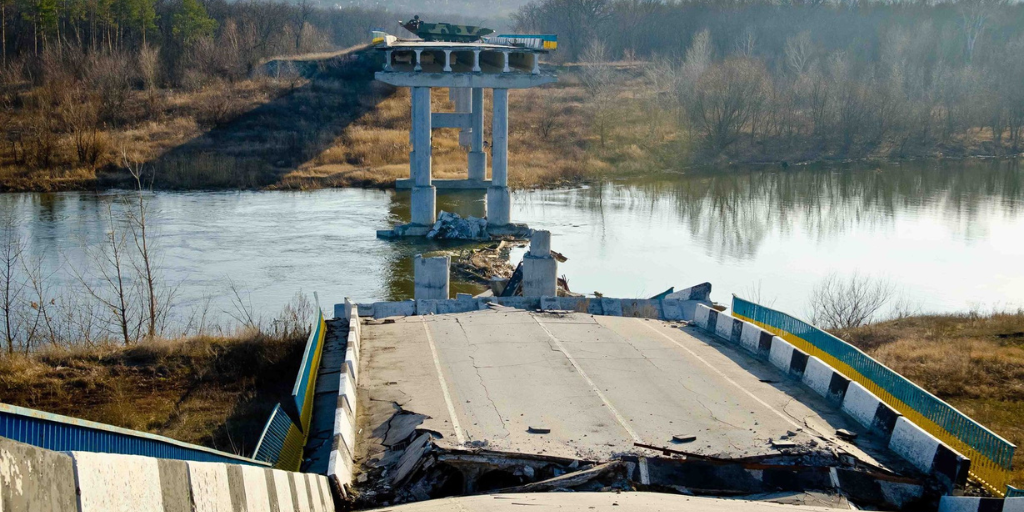
The scale of destruction caused by Russia’s aggression against Ukraine has been staggering. To repair the damage, joint efforts to coordinate donations and properly plan Ukraine’s reconstruction must start as soon as possible.
A successful reconstruction of Ukraine cannot happen without involvement of the Ukrainian people. That’s why we’re calling on international donors to ensure that the financial structures to help impacted communities are put in place and that civil society groups have a say in this process.
We believe that Ukraine and the international community have a unique opportunity to modernise the country while addressing people’s needs and long-term sustainability.
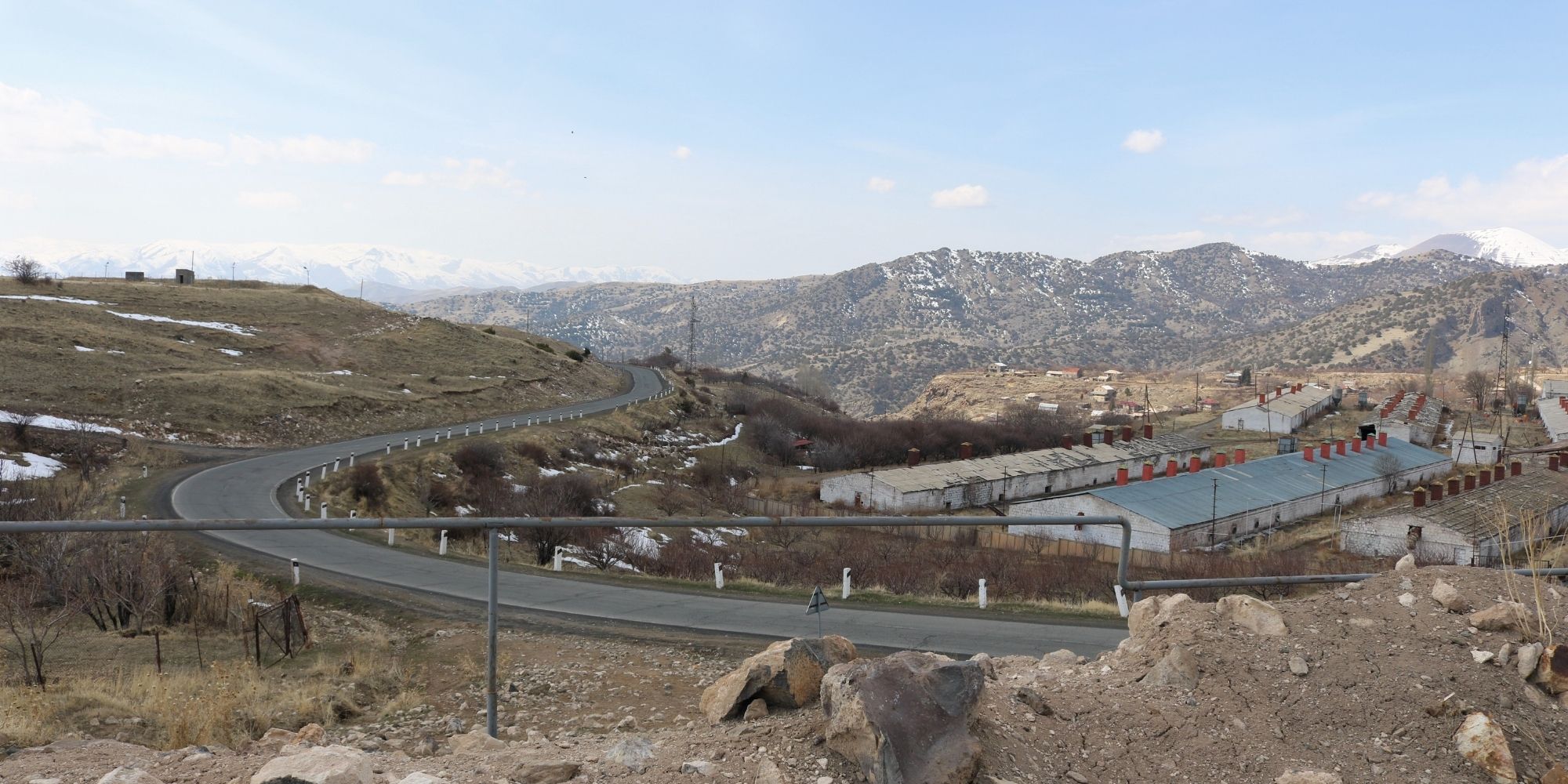
Amulsar gold mine, Armenia
The controversial Amulsar gold mine near the touristic spa town of Jermuk was supported by the EBRD equity investments, but blocked by locals after the velvet revolution in 2018. In spite of a number of legal threats and intimidation by the company, the blockade continued till the eruption of military conflict overNagorno Karabakh (Artsakh) at the end of 2020.
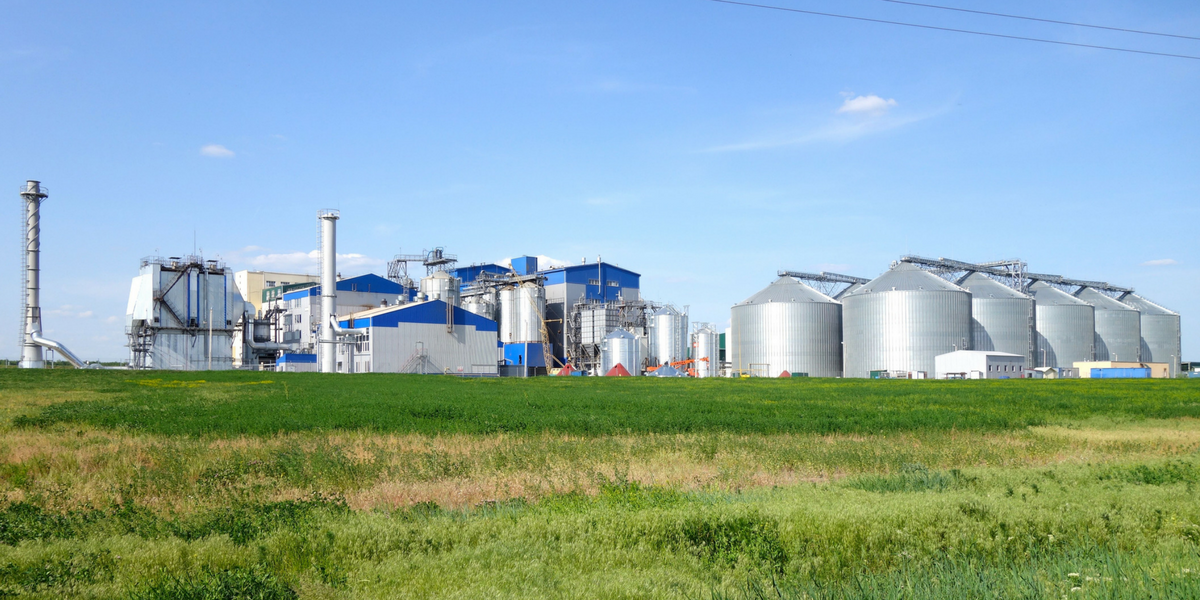
Myronivsky Hliboproduct (MHP), Ukraine
The leading Ukrainian agribusiness giant has been enjoying generous support in public funds and national subsidies. With over half a billion euros from the EBRD, EIB and the IFC, Myronivsky Hliboproduct PJSC (MHP) has grown into a near monopolist in poultry production. While MHP’s vertically integrated model has contributed to its status as a leading Ukrainian agribusiness, the scale and nature of its business have also contributed to mounting concerns about its social and environmental impacts. These concerns are compounded by patterns of poor community consultation and a lack of information provided about MHP’s operations, leaving project-affected people guessing about the true impacts of its operations.
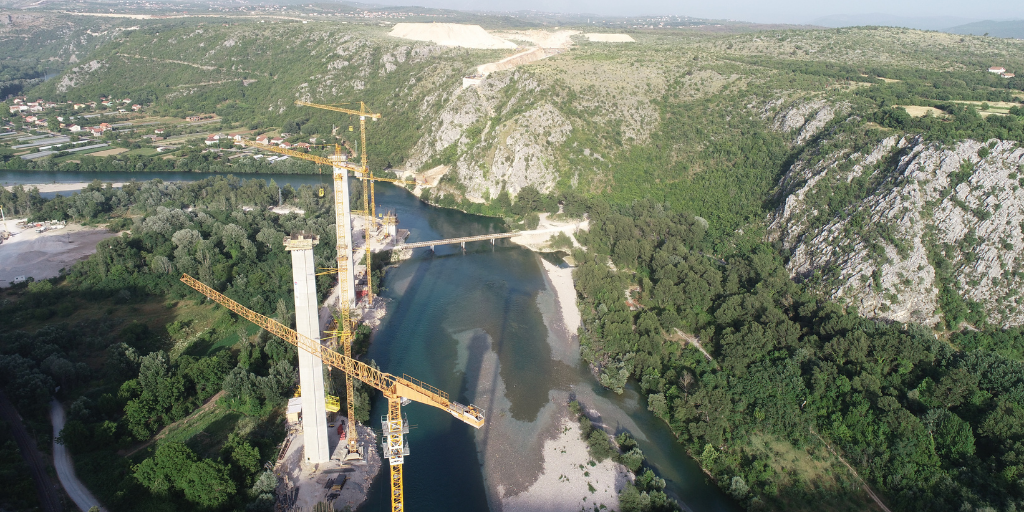
Corridor Vc motorway, Bosnia and Herzegovina
The Bosnian section of the international Corridor Vc is planned to run for 330 km through Bosnia and Herzegovina. Concerns about environmental impacts and threats to cultural heritage were raised by local people and cultural figures. The public discussions about the project have led to a series of scandals and a deadlock of the motorway’s development.
More of our projects
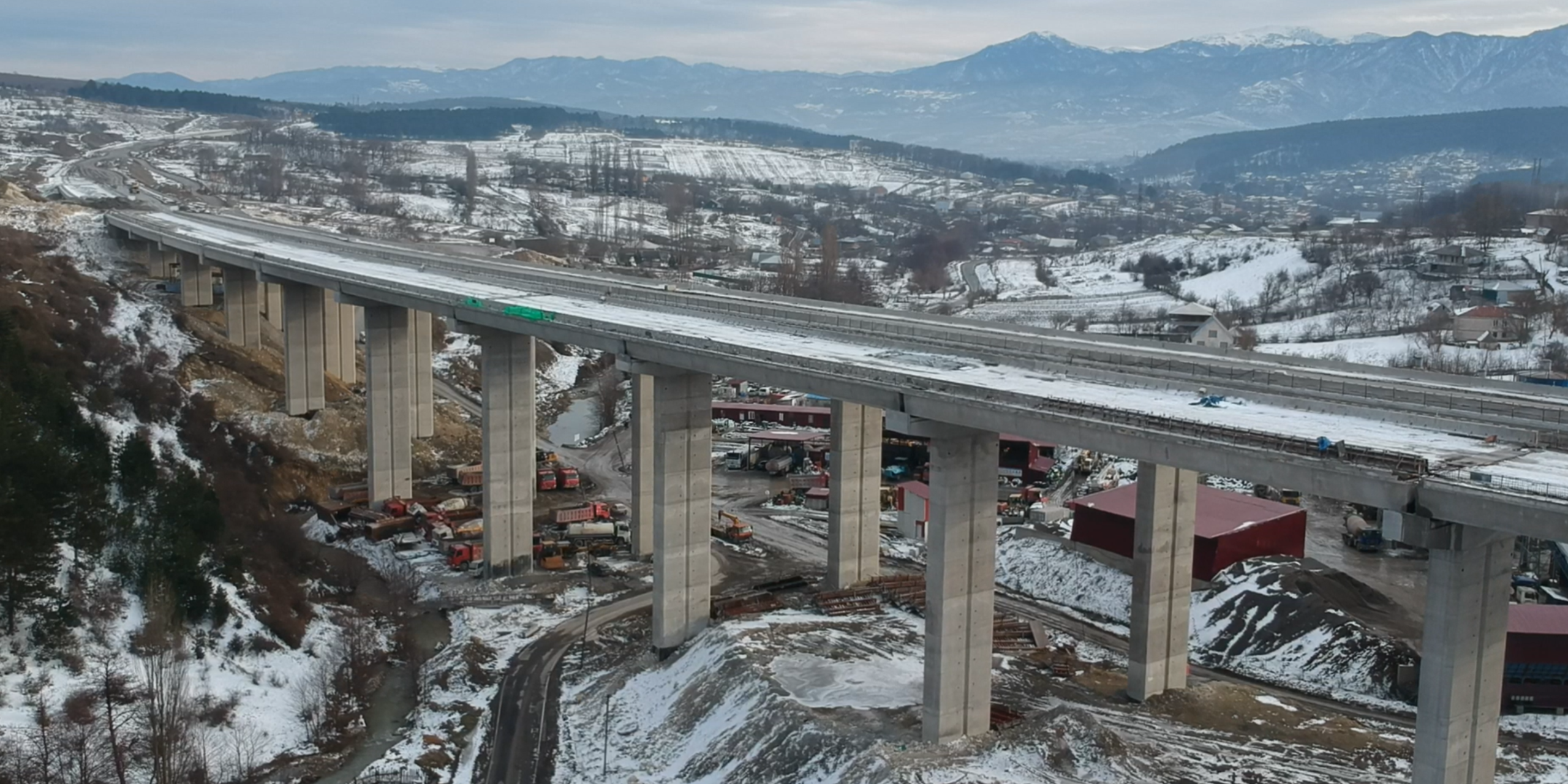
Georgia’s East–West and North–South road projects: Counting the true costs of highway expansion
The East–West Highway and the North–South Corridor – two key road infrastructure projects supported by major multilateral development banks, have had devastating social, environmental and cultural impacts in Georgia.
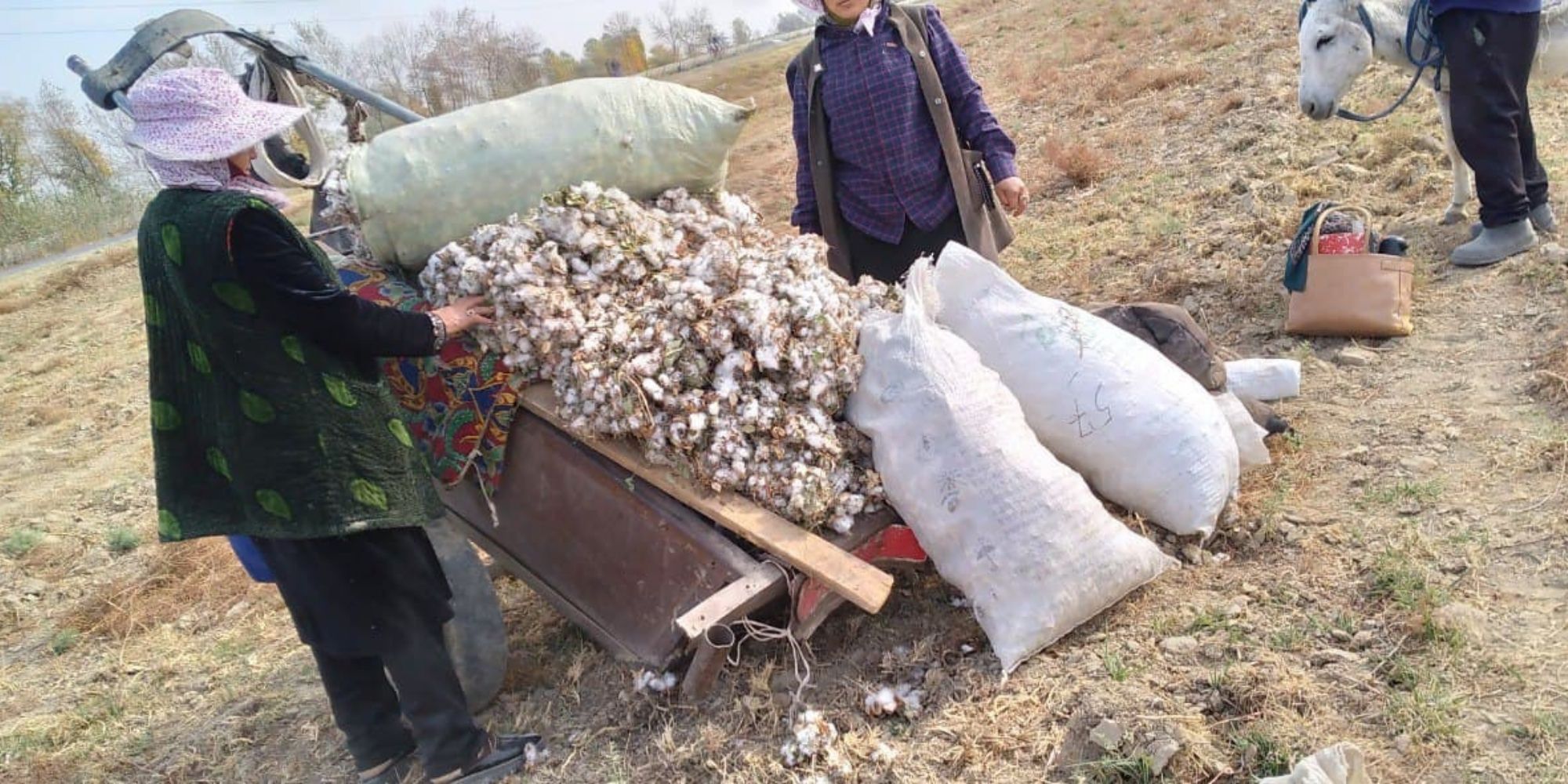
Indorama Agro: Uzbekistan’s infamous cotton producer
Despite being Uzbekistan’s largest cotton producer and receiving millions in development loans from the European Bank for Reconstruction and Development (EBRD), the Asian Development Bank (ADB) and the International Finance Corporation (IFC) – institutions that promote modernisation and corporate responsibility – Indorama Agro faces multiple complaints of worker mistreatment and retaliation.
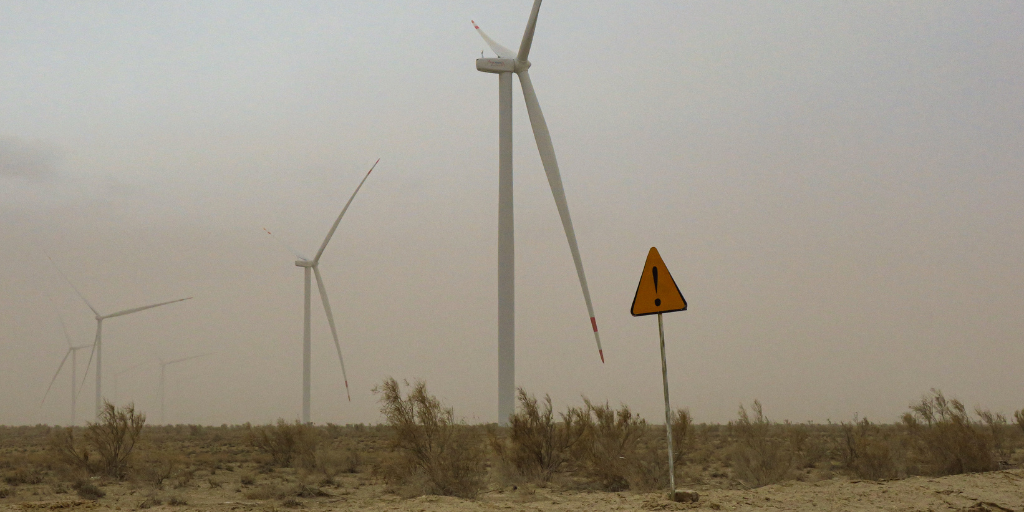
Zarafshan, Bash and Dzhankeldy wind projects, Uzbekistan
The first large wind projects in the Central Asian country are being built in biodiversity hotspots and hinder the declaration of protected areas. The IFC, EBRD and ADB need to ensure that some of the most problematic turbines are moved away.
Latest news
How Ukraine can turn community needs into bankable projects
Blog entry | 18 August, 2026Ukraine’s public investment management (PIM) system faces a fundamental challenge: communities and ministries often know what they need, but lack the time, data, expertise and money to turn those needs into strong investment projects.
Read moreSigns of trouble: Drainage pipe near the pristine Bunica river spring causes outcry as Corridor Vc construction affects Mostar communities
Blog entry | 30 July, 2026A large drainage pipe has been recently installed next to the spring of the Bunica River as part of the construction of the European Corridor Vc motorway in Bosnia and Herzegovina. Local residents became increasingly concerned and the issue gained public attention on 3 July 2026 when photographs of the works were widely shared and questions were raised about the purpose of the pipe and its potential impact on the river.
Read moreA new chapter for the EIB Group Complaints Mechanism?
Blog entry | 9 July, 2026The European Investment Bank (EIB) Group is currently reviewing its Complaints Mechanism Policy – the framework for how the EIB Group Complaints Mechanism (EIB-CM) addresses complaints from individuals and communities harmed by EIB-funded projects. This review is long overdue.
Read moreRelated publications
Hydropower in Georgia
Briefing | 6 May, 2015 | Download PDFSince 2011 the European Bank for Reconstruction and Development has provided USD 210.5 million to three greenfield hydropower projects (HPP) in Georgia – Paravani, Dariali and Shuakhevi. Instead of bringing improvements on the ground and environmental standards that are on par with best international practice, the EBRD has, by funding these projects, simply justified the wrongdoings that were from the beginning apparent: the degradation of river ecosystems, corruption and threats to people.
Infographic: If energy security is the question … the Euro-Caspian Mega Pipeline is not the answer
Leaflet | 29 April, 2015 | Download PDFEurope talks of diversifying energy supplies from Russia by building a set of pipelines from the shores of Azerbaijan’s Caspian Sea to Italy. But the EU’s dependency on Azerbaijan for fossil energy fuels repression and feeds the authoritarian Aliyev regime. All the while, Europe does not need all that gas.
Letter to European Commission: Request for information on EIB’s involvement in the Transadriatic Pipeline (TAP)
Advocacy letter | 9 April, 2015 | Download PDFGiven the size of the Southern Gas Corridor project it is important that its effects on the environment and especially nearby Natura 2000 sites are duely accessed and that the necessary time to conduct public consultation both in the EU-28 countries and outside of the EU-28 as indicated to the Commission during various meetings related to the second list of PCIs preparation.

