
Ukraine Reconstruction Campaigner
Email:Tel.:
Anna is Bankwatch’s Ukraine Reconstruction Campaigner, working on green reconstruction and environmental safeguards in Ukraine’s recovery. Her work focuses on alternative sources of energy for communities, energy resilience, and the alignment of Ukraine’s energy policy and public investment management system with EU standards. Originally from Kyiv, she holds an MSc in Environmental Sciences and Policy from Central European University and is based in Bratislava.
More from
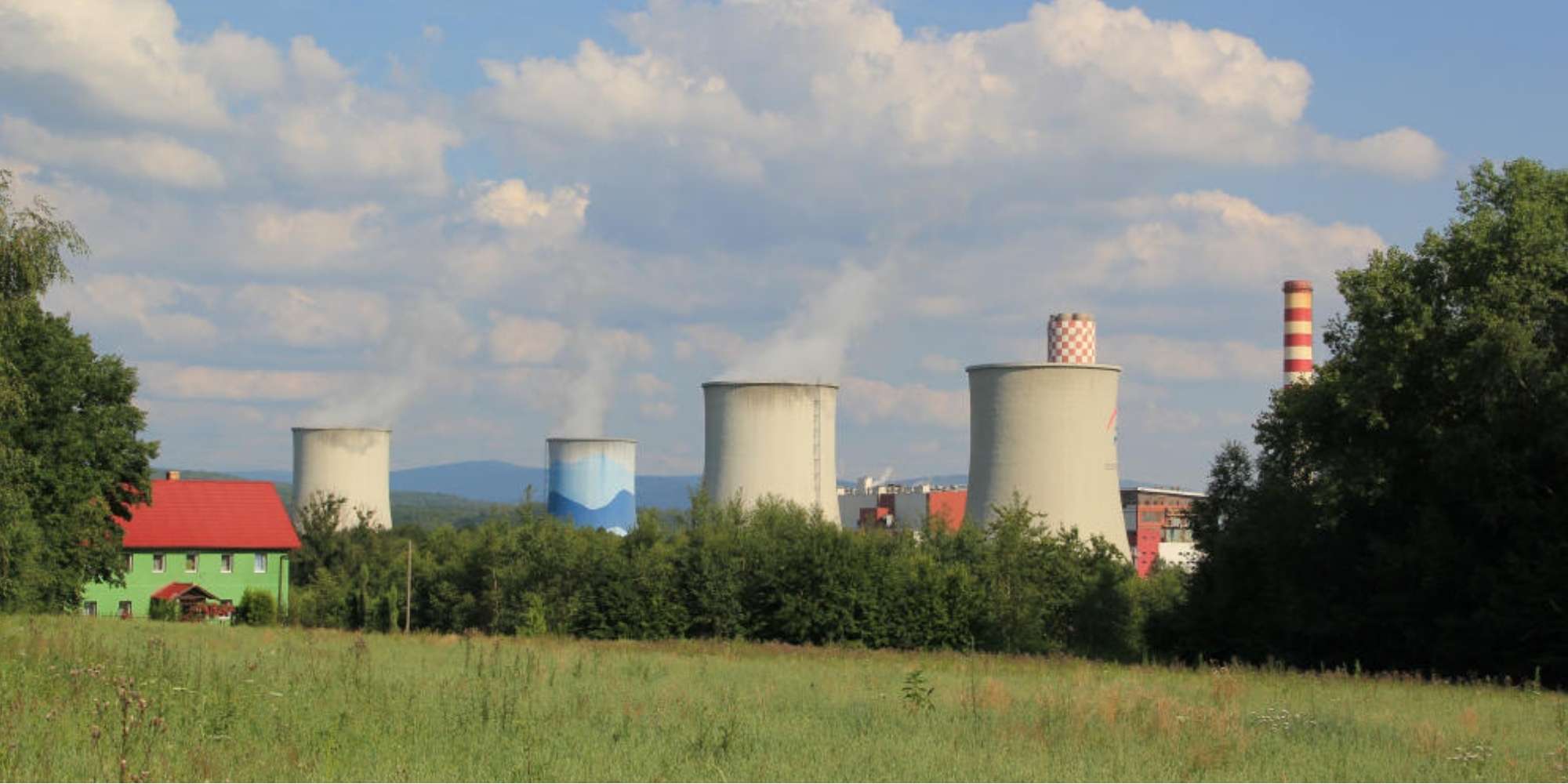
A lack of ambition, vision and delivery sums up the Polish national recovery and resilience plan that was released on 26 February. The fundamental flaw is that the plan provides no path for the country to reach neither the EU’s climate neutrality target by 2050 nor the much less ambitious targets outlined in the recent Poland’s Energy Policy 2040 (PEP2040), like reducing the share of coal in the electricity mix to 56 per cent.

Member States plan pitiful amounts of spending from the €672 billion Recovery and Resilience Facility (RRF) to protect and preserve nature, in spite of EU requirements and the generally poor state of biodiversity across the continent, say civil society groups ahead of Thursday’s meeting of European environmental ministers.
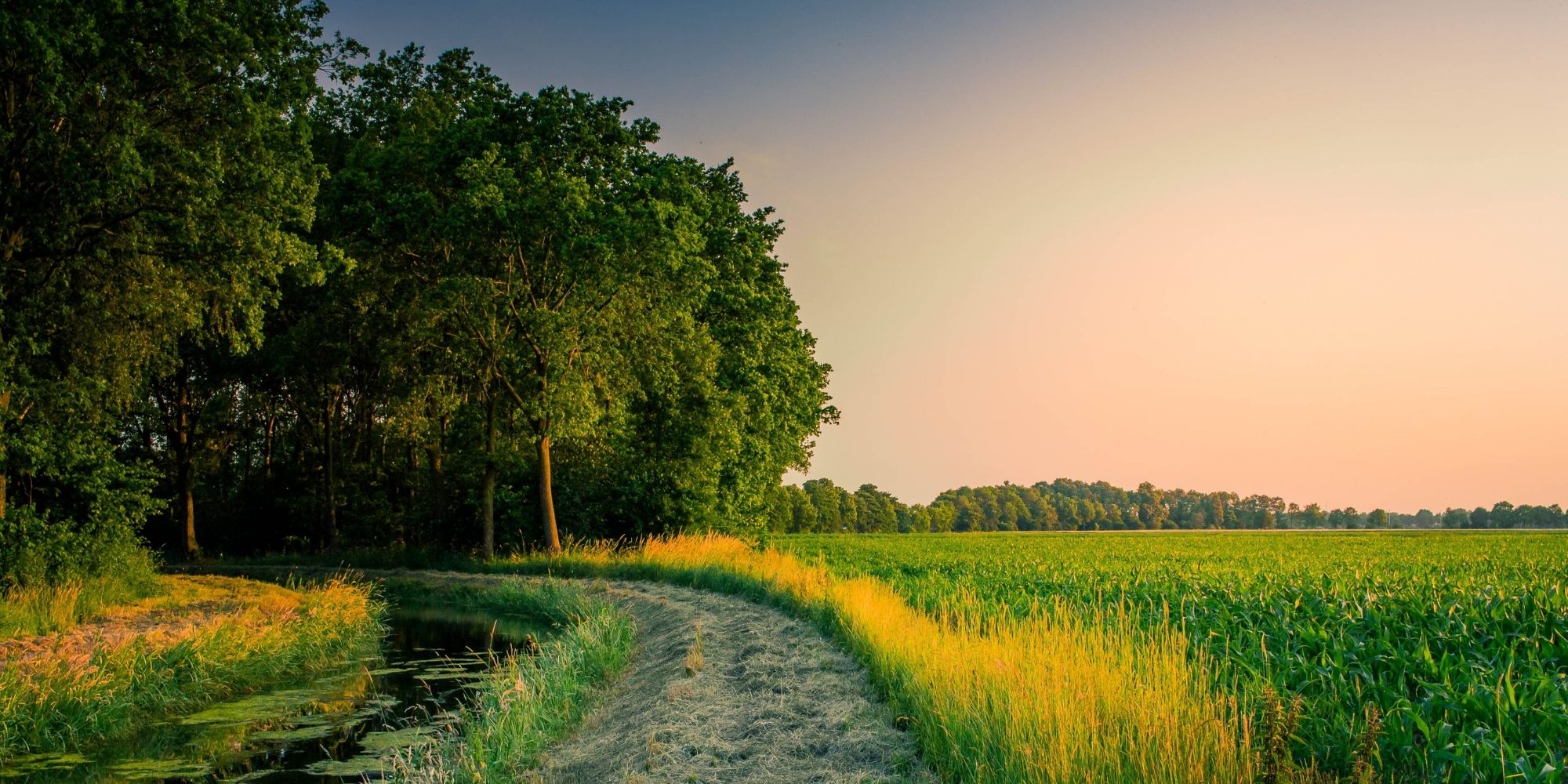
The state of nature is in crisis. A recent European Environmental Agency (EEA) report reveals that 81 per cent of habitats in Europe are in ‘poor condition’, and without swift action this dire situation will only become worse. We need systemic and wide
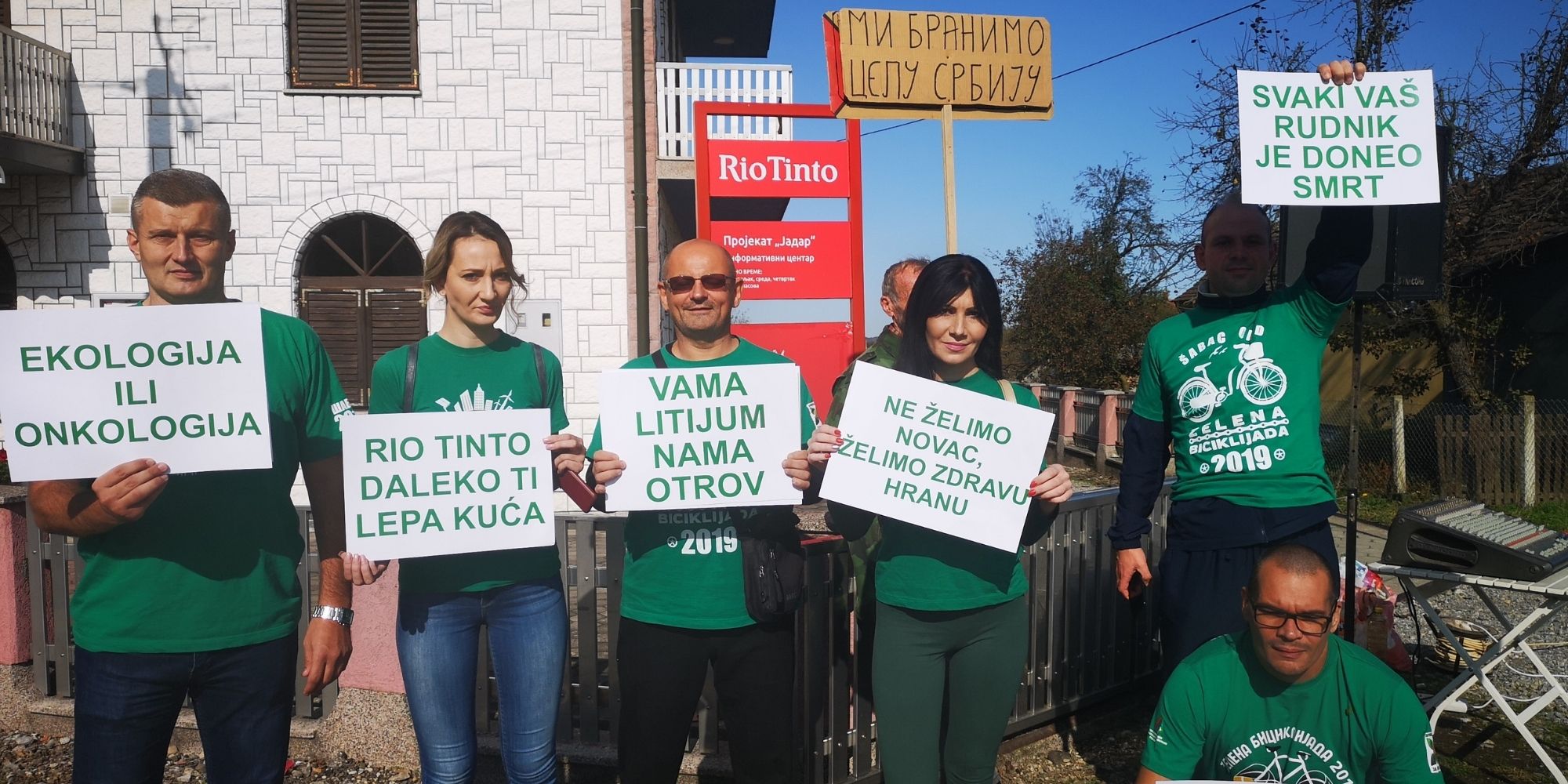
The European Commission walks a tightrope with the EU Green Deal. Despite the long-term objectives of achieving a circular economy and reducing resource use, it plans to increase raw materials mining to meet the demand for the clean energy, renewables, and other high-tech solutions that are at the forefront of the EU’s green development plans. A planned lithium mine in Serbia, vehemently opposed by local communities, is a poignant example of this tension.
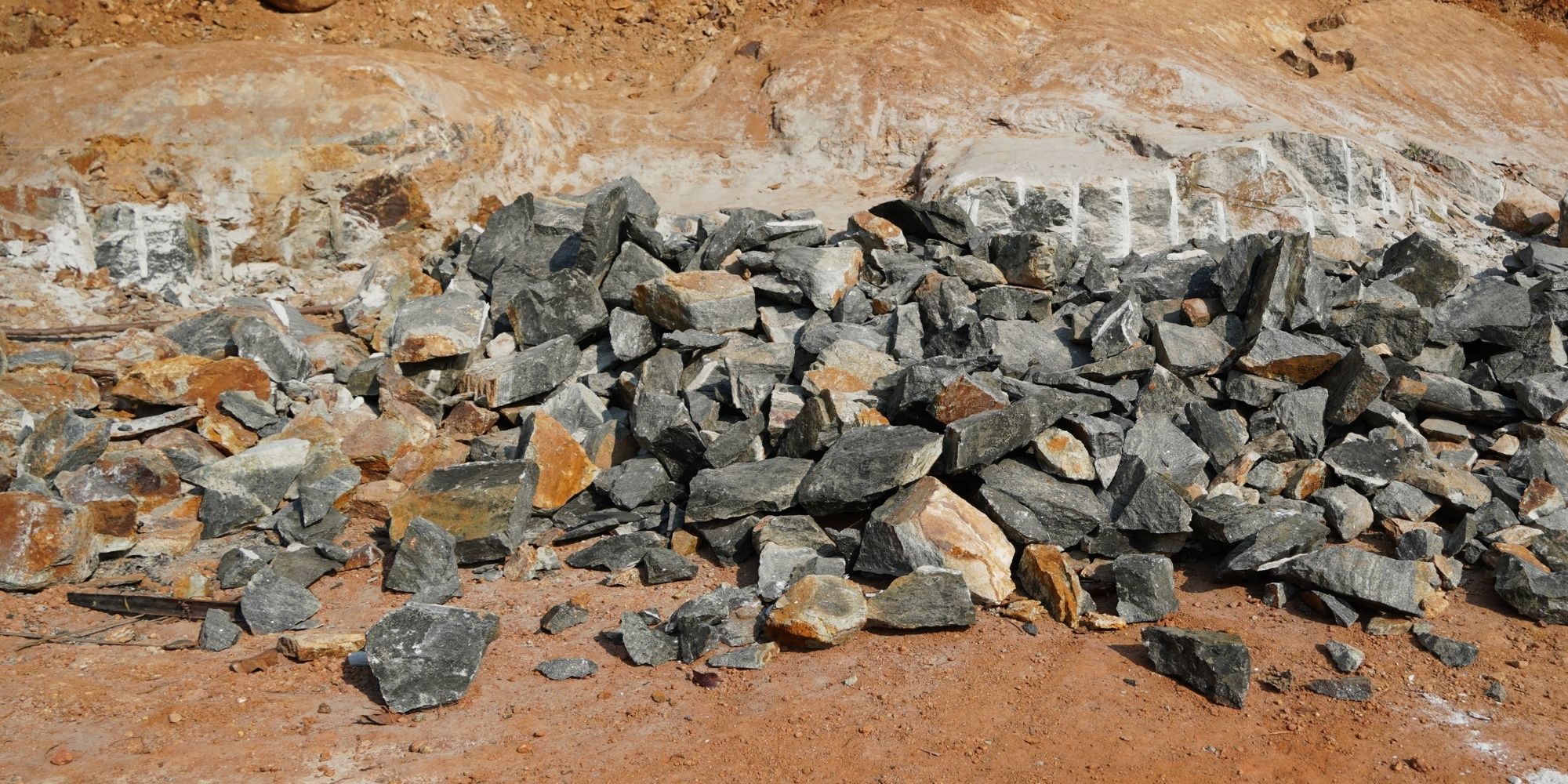
The Jadar River Valley in western Serbia has the potential to become home one of the world’s largest lithium mines, supplying 10% of the world’s demand and supporting the neighbouring EU’s digital transition agenda. The Serbian government, therefore, p

