
Ukraine Reconstruction Campaigner
Email:Tel.:
Anna is Bankwatch’s Ukraine Reconstruction Campaigner, working on green reconstruction and environmental safeguards in Ukraine’s recovery. Her work focuses on alternative sources of energy for communities, energy resilience, and the alignment of Ukraine’s energy policy and public investment management system with EU standards. Originally from Kyiv, she holds an MSc in Environmental Sciences and Policy from Central European University and is based in Bratislava.
More from

Promoting gender rights and women’s empowerment has become a trend among multilateral development banks (MDBs). Organising discussions on best practices and promoting gender-related issues is welcome, but it is crucial that banks ensure meaningful protection and support to the women most affected by international public investments.
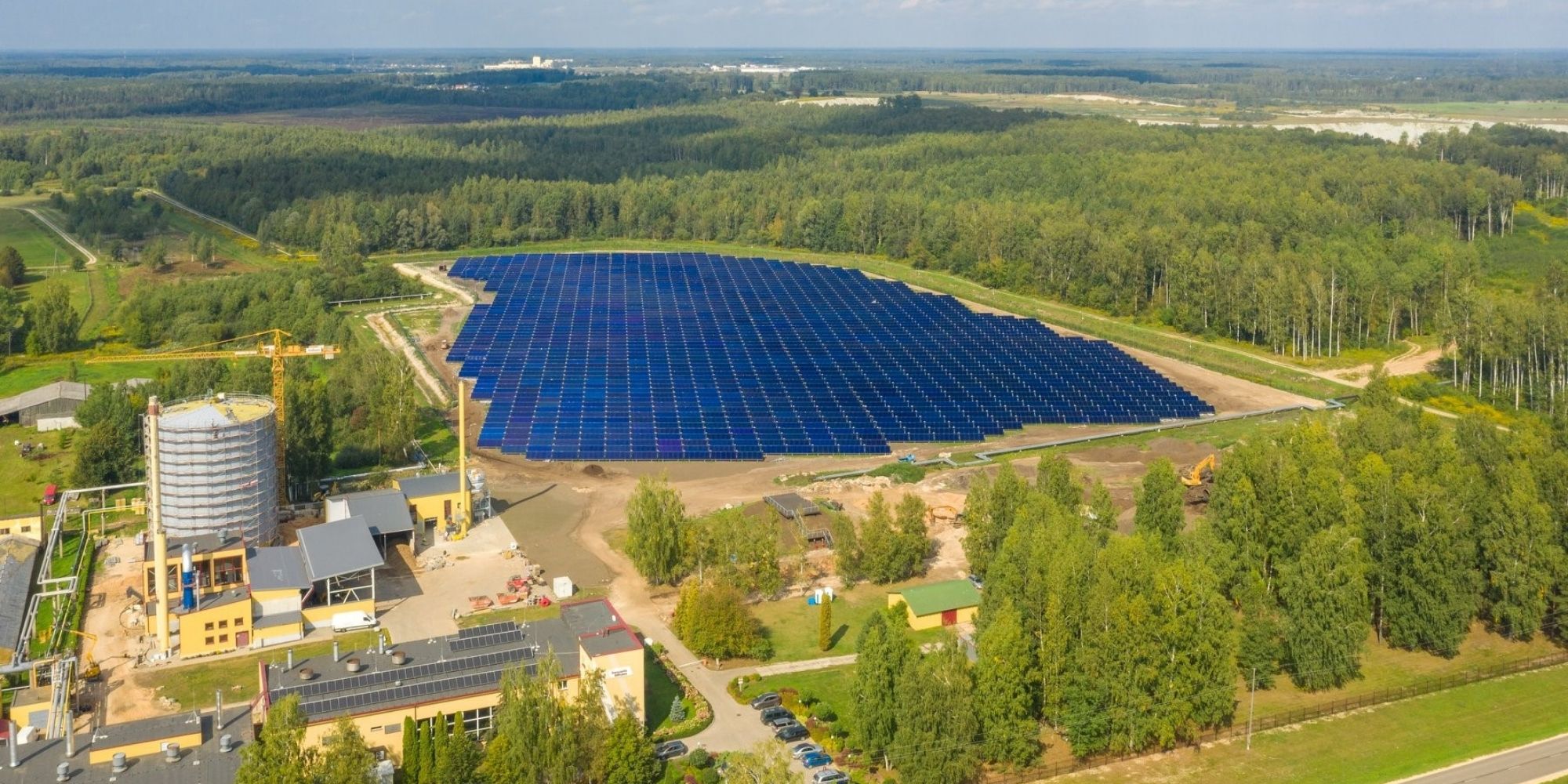
District Heating is an efficient way to heat homes, particularly in a country like Latvia where 58% of its primary energy consumption is used for heating. But Selīna Vancāne at Riga City Council is very concerned that the draft EU Recovery plans do not include any support under the climate goals for district heating projects. Perhaps it’s because of a blind spot: most of Europe is prioritising individual heating units powered by electricity. Meanwhile, Latvia is tacking the issue of fuel sources for district heating. There’s gas (not clean, must be imported from Russia), woodchips (plenty of local supply, but has sustainability limits), and much better solutions like solar. Vancāne offers the case study of Salaspils Siltums, built in 6 months, which provides solar district heating to 85% of a town of 18,000 people. She urges the EU to fund both district heating and the new clean solutions it can use. The results can be cost effective, sustainable, efficient and curb emissions.
Why is the EIB still hiding one-third of its lending?
March 4, 2021 | Read more
The EU’s house bank must keep up with its peers on disclosure of financial intermediary investments
The EIB’s lending through intermediary banks is often claimed to be confidential. But this is public money, and the bank’s peers are increasingly doing better. As the EIB reviews its Transparency Policy, it’s high time to up its game.
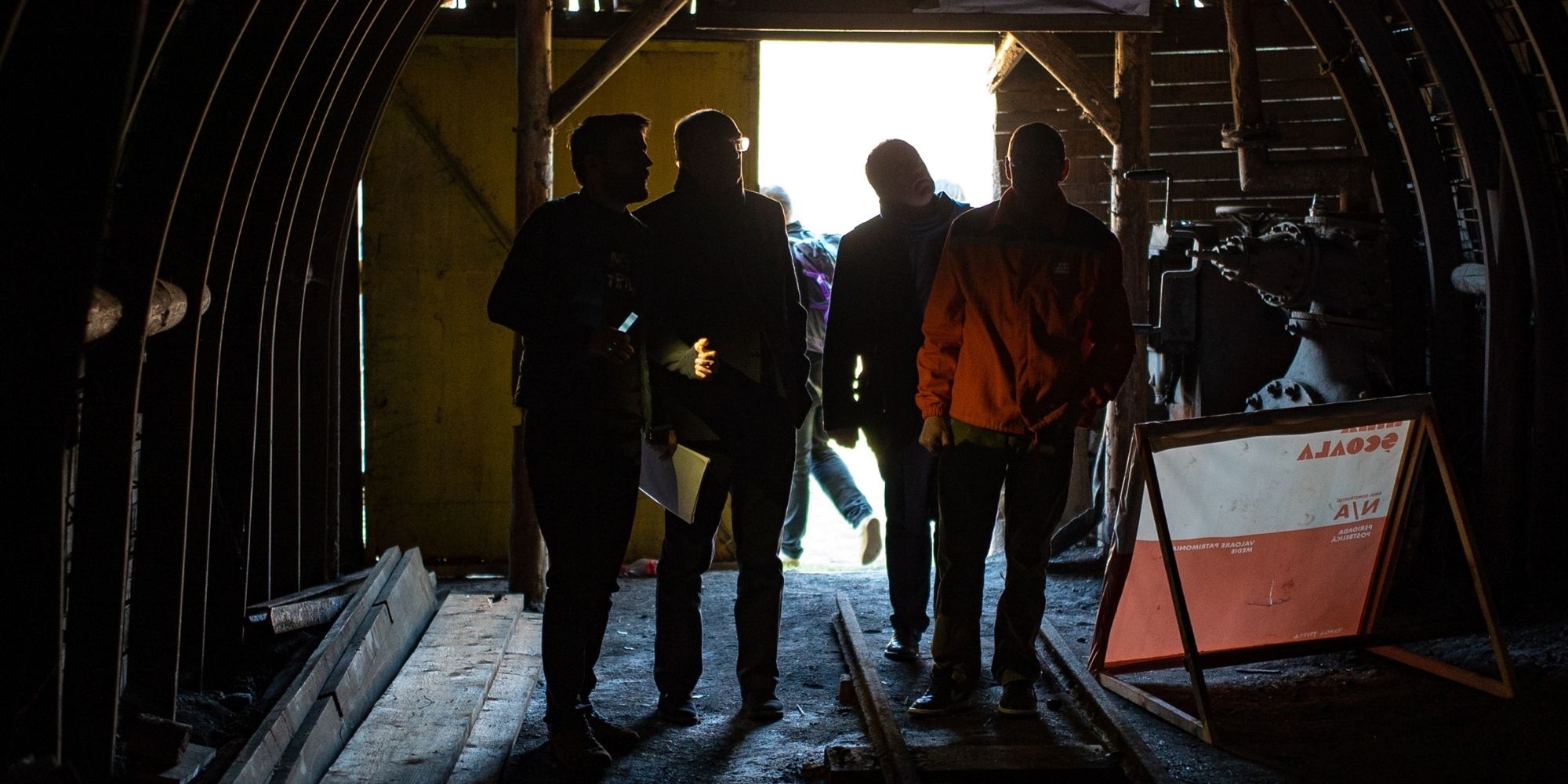
Territorial Just Transition Plans (TJTPs) are a precondition for European Union Member States to access the EUR 17.5 billion Just Transition Fund (JTF). The plans must outline the expected process of transitioning away from a coal-based economy; the most affected territories and all types of impacts; what operations are envisaged; and how the process will ensure participation, monitoring and evaluation. TJTPs are developed at the sub-regional level; therefore, countries must produce documents for each territory where they plan to spend money from the Just Transition Fund.

