
Ukraine Reconstruction Campaigner
Email:Tel.:
Anna is Bankwatch’s Ukraine Reconstruction Campaigner, working on green reconstruction and environmental safeguards in Ukraine’s recovery. Her work focuses on alternative sources of energy for communities, energy resilience, and the alignment of Ukraine’s energy policy and public investment management system with EU standards. Originally from Kyiv, she holds an MSc in Environmental Sciences and Policy from Central European University and is based in Bratislava.
More from
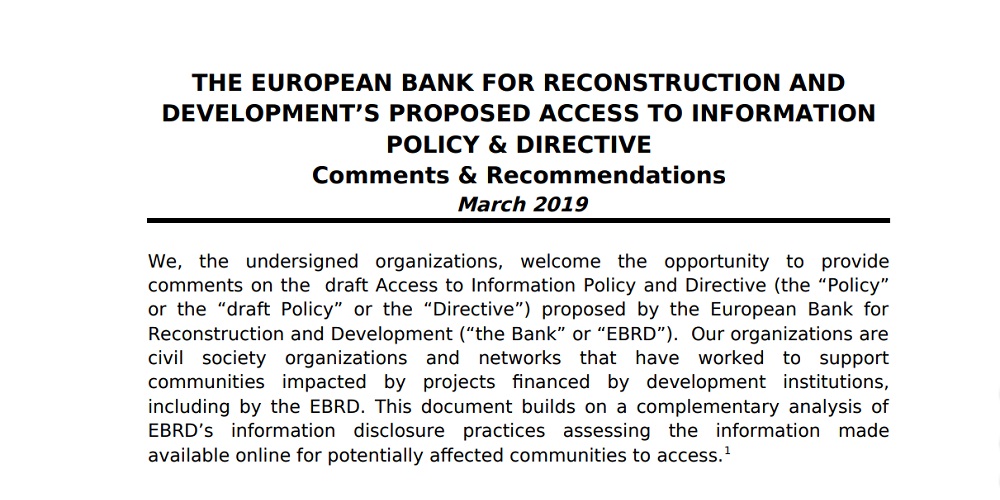
Comments on the EBRD draft Access to Information policy
March 27, 2019 | Read more
Fulfilling the right of access to information is the beginning and foundation of true development that respects the rights of all people. Access to information goes hand-in-hand with meaningful consultation and stakeholder engagement to ensure that pro
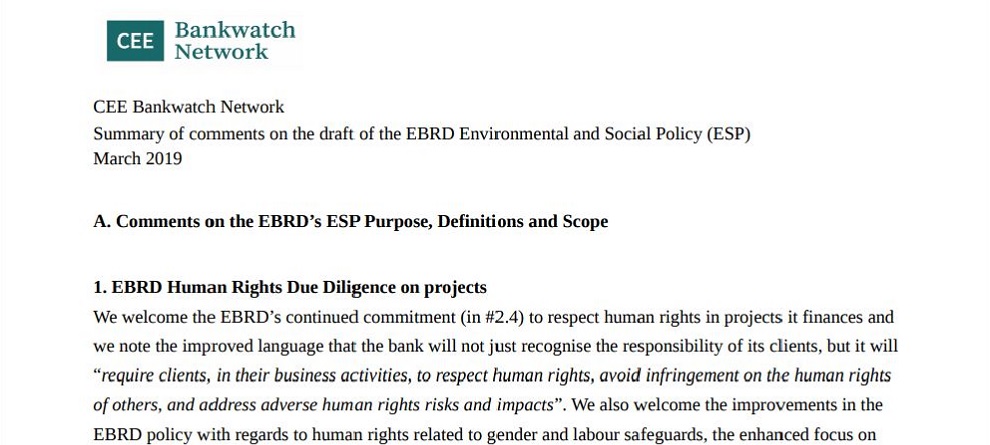
Comments on the EBRD draft Environmental and Social Policy
March 27, 2019 | Read more
We welcome the proposed improvements in the EBRD draft Environmental and Social Policy, including the stronger language on human rights, gender and vulnerable groups, as well as the reintroduction of the referral list for financial intermediary high ri
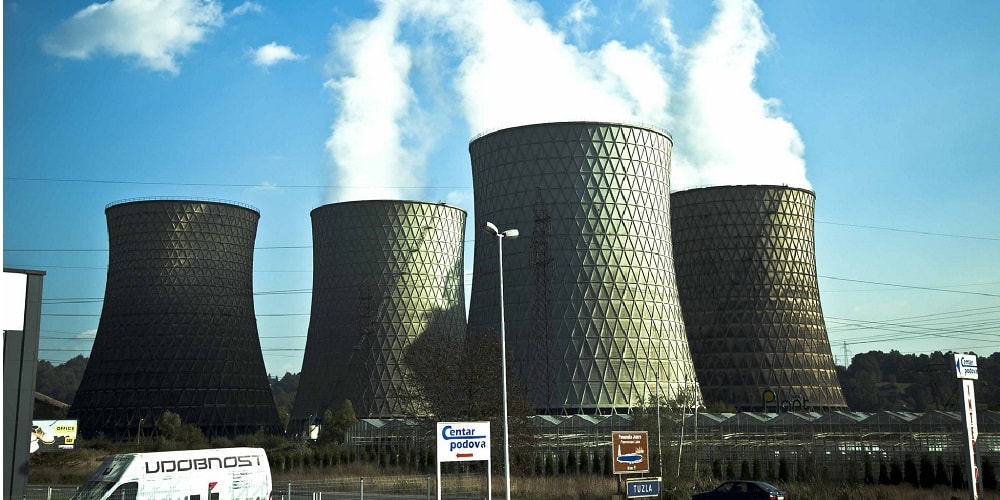
The Energy Community Secretariat has today announced that it is officially opening a dispute settlement procedure on the planned Federal guarantee for a EUR 614 loan from the China Eximbank to build the Tuzla 7 coal power plant in Bosnia-Herzegovina.[1] The procedure can potentially lead to delays in the EU accession process and temporary suspension of financing by EU banks.
New report highlights misuse of banking secrecy rules
March 26, 2019 | Read more
BankTrack’s study finds that client confidentiality is not an absolute legal requirement in any of the world’s major banking centres. Banks can – and do – include the right to disclose information into their contracts. Will the EIB & EBRD acknowledge this in their policies on intermediated lending?
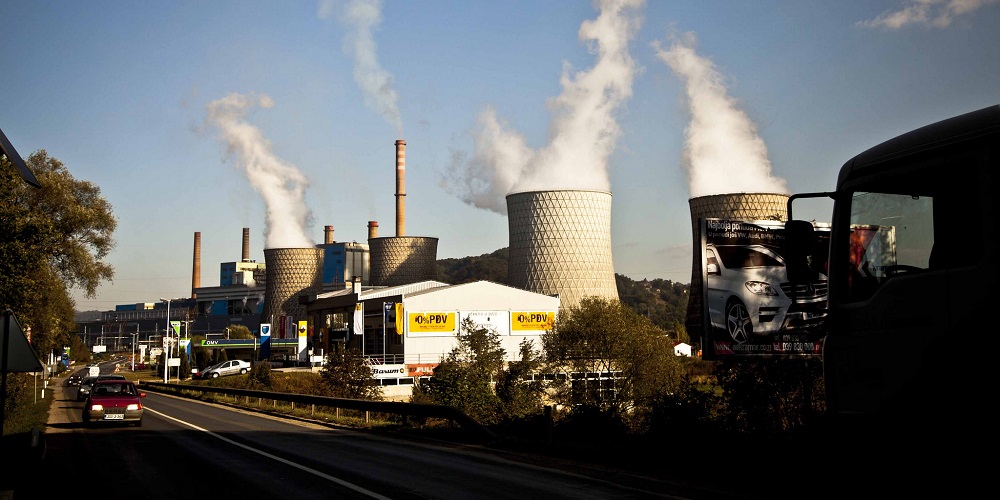
For immediate release. Energy Community countries propped up coal mining and electricity generation with direct and indirect public subsidies totalling at least 2.4 billion annually, out of which around half were provided by Western Balkan countries, shows a study (1) released today by the Vienna-based Secretariat of the Energy Community Treaty, the international treaty working to integrate the energy markets of the EU with those of its neighbours.

