
Ukraine Reconstruction Campaigner
Email:Tel.:
Anna is Bankwatch’s Ukraine Reconstruction Campaigner, working on green reconstruction and environmental safeguards in Ukraine’s recovery. Her work focuses on alternative sources of energy for communities, energy resilience, and the alignment of Ukraine’s energy policy and public investment management system with EU standards. Originally from Kyiv, she holds an MSc in Environmental Sciences and Policy from Central European University and is based in Bratislava.
More from
The so-called European Fund for Strategic Investments (EFSI) should unlock additional investment of at least EUR 315 billion over a three year period (2015-2017). One of the projects benefiting from the EU financing is a program that aims to promote energy efficiency in the housing stock through the funding of certain regional/local initiatives supporting energy renovation of private residential buildings in France.
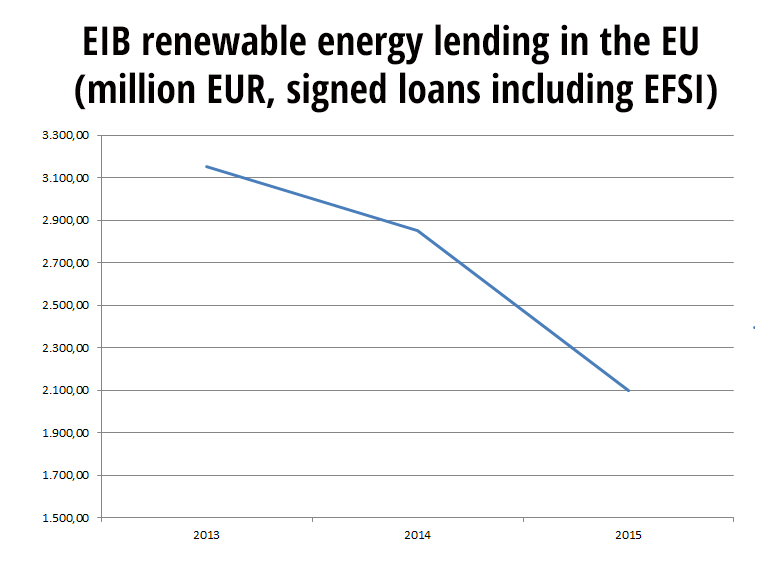
Brussels, Prague – European Commission Vice President Jyrki Katainen presented today the mid-term result of the Investment Plan for Europe. The European Fund for Strategic Investments (EFSI), the financial arm of this investment strategy, was established by the European Commission and the European Investment Bank (EIB) in 2015 with the aim of mobilising private investments to stimulate the European economy.

In its EU funds spending plans, Slovakia has shown commendable dedication to making bioenergy more sustainable. Taking over the EU presidency in June, it will have a unique chance to apply its expertise to improve European regulations on biomass.
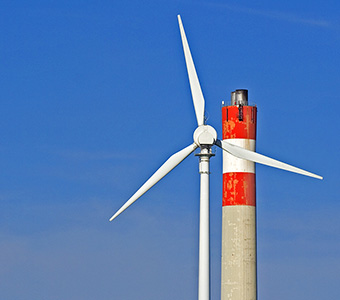
Last year in the EU, 12.8 GW of wind power capacity was installed – more than any other electricity generation source. This means that wind can now generate 11.4% of the EU electricity consumption in a normal wind year, according to Wind Europe. At the same time Belgium and Scotland have shut down their last coal plants, signalling the golden days of coal are far behind them.
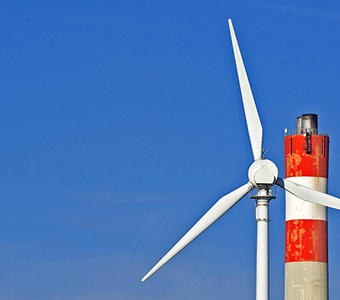
Western Balkan countries are planning investments in wind power, but these are being heavily outweighed by their investments in coal plants, according to a CEE Bankwatch Network analysis launched today. The region’s governments are actively planning 2800 MW of new coal plants but allowing only around 1166 MW of wind power plants to be built.

