
Ukraine Reconstruction Campaigner
Email:Tel.:
Anna is Bankwatch’s Ukraine Reconstruction Campaigner, working on green reconstruction and environmental safeguards in Ukraine’s recovery. Her work focuses on alternative sources of energy for communities, energy resilience, and the alignment of Ukraine’s energy policy and public investment management system with EU standards. Originally from Kyiv, she holds an MSc in Environmental Sciences and Policy from Central European University and is based in Bratislava.
More from

EU funds spending plans in Hungary: the dark side is in the details
February 2, 2016 | Read more
Hungary allocates a relatively high amount of EU Funds to energy but an in-depth analysis shows a lack of direct, non-refundable support in renovation of residential buildings, significant finance for burning instead of preventing waste and potentially unsustainable use of biomass.
Nenskra hydropower plant, Georgia
February 2, 2016 | Read more
For the last decade, the government of Georgia has promoted hydropower as a way of tackling energy security and turning the country into a regional energy player. The EBRD has been one of the key catalysts of this hydro boom. Yet the presence of the EBRD and other international financial institutions has not been enough to ensure the development of comprehensive energy strategies, robust project assessments and meaningful public consultations. The potential for social and environmental problems is therefore prevalent. The Nenskra hydropower plant is yet another project that lacks the proper assessment and has failed to gain acceptance from the local communities.
While Estonia plans to use a large part of its EU funds investments for infrastructure projects in the public sector, there is no real political will to reduce the use of fossil fuels.
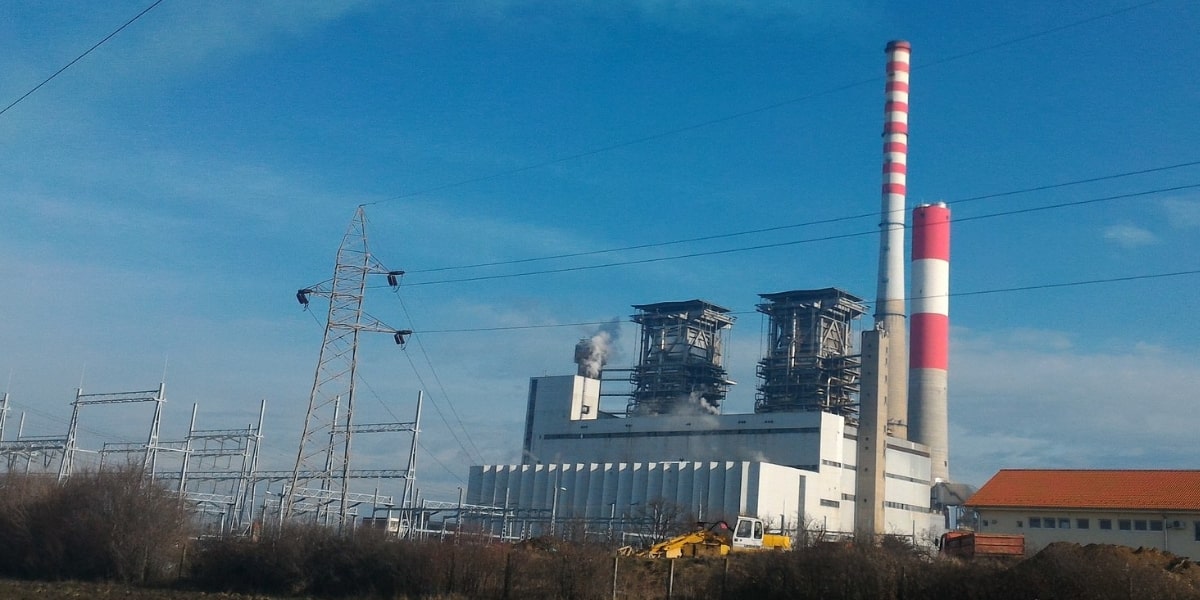
As part of its new EUR 200 million loan to the Serbian electricity company EPS, the European Bank for Reconstruction and Development aims to assist with “identifying opportunities to improve environmental, safety, social, and labour governance and capacity, and on helping EPS to develop a more strategic approach to managing these issues”. As outlined in this briefing, so far the EBRD’s fifteen-year partnership with EPS has not brought visible improvements in company practices and it is high time for the bank to prove that its engagement can add value.
Myronivsky Hliboproduct PJSC, also known as MHP, is a long-term client of the European Bank for Reconstruction and Development. Following loands in 2013 and 2010, the EBRD approved a USD 85 million loan on 28 October 2015 to support MHP’s agricultural working capital needs. While the agricultural sector is widely viewed as one of the engines of the Ukrainian economy, MHP’s operations are having a range of negative impacts on local communities.

