
Ukraine Reconstruction Campaigner
Email:Tel.:
Anna is Bankwatch’s Ukraine Reconstruction Campaigner, working on green reconstruction and environmental safeguards in Ukraine’s recovery. Her work focuses on alternative sources of energy for communities, energy resilience, and the alignment of Ukraine’s energy policy and public investment management system with EU standards. Originally from Kyiv, she holds an MSc in Environmental Sciences and Policy from Central European University and is based in Bratislava.
More from
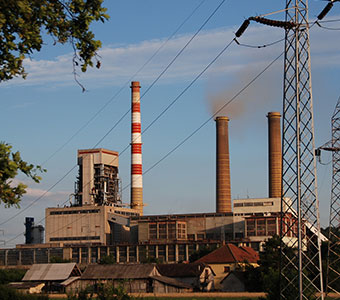
The Energy Union must find ways to prevent state support for the production of fossil fuel energy by the European Union’s immediate neighbours. The EU cannot afford to have newly acceding members holding up progress towards the new 2030 climate goals or watering down future policy making.

The Peoples Energy Sovereignty Network (Catalonia) and the organisations that are part of it, want to invite you to participate in the second edition of the VOLT, a journey that aims to establish links between different groups, campaigns and local struggles. The VOLT also aims at building alliances to work on future responses to major energy projects. Tour stops (subject to change): Barcelona – Castellar del Vallès – Sallent – Graus – Sabiñanigo – Mont-Rebei – Barcelona To register in English please contact alfons.perez@odg.cat

Clear guidance is needed more than public assurances to make the European Fund for Strategic Investments (EFSI) be indeed a vehicle for energy efficiency. Counter to public statements, the current set-up does not promise to be effective.
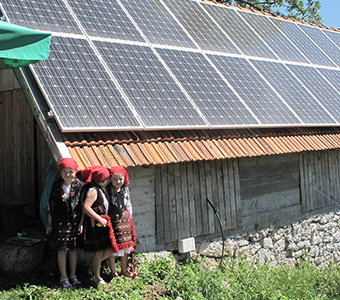
Building the Energy Union, the European Commission pretends that all is well for renewables in Croatia and unnecessarily fixates on diversifying gas supply instead of managing demand.
On several occasions the European Bank for Reconstruction and Development stated that operations of its clients should comply with all international treaties and other legal obligations. In spite of these reassurances, Energoatom in Ukraine keeps ignoring its international obligations, as outlined in the Espoo Convention, in the processes of assessing the life-time extension of its nuclear reactors.

