
Ukraine Reconstruction Campaigner
Email:Tel.:
Anna is Bankwatch’s Ukraine Reconstruction Campaigner, working on green reconstruction and environmental safeguards in Ukraine’s recovery. Her work focuses on alternative sources of energy for communities, energy resilience, and the alignment of Ukraine’s energy policy and public investment management system with EU standards. Originally from Kyiv, she holds an MSc in Environmental Sciences and Policy from Central European University and is based in Bratislava.
More from
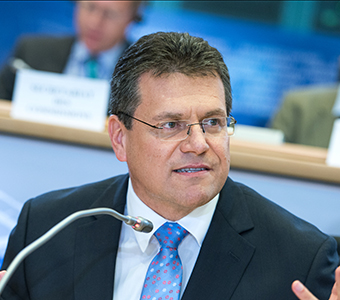
EU energy ministers are meeting in Brussels today to discuss the implementation of the Energy Union. Looking at what has been discussed so far, the strategy may not prioritise energy efficiency enough to help Europe become climate-friendly.
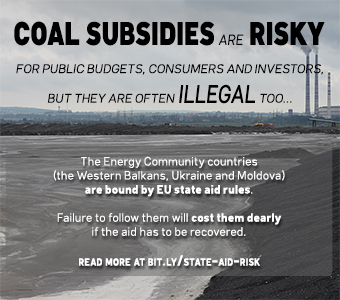
Prague – New investments in coal mines and power plants could cost the Western Balkans and Ukraine dearly if they fail to take into account binding rules on subsidies (State aid), according to a new briefing released today by CEE Bankwatch Network.
By signing the Energy Community Treaty in 2005, countries in the Western Balkans, Ukraine and Moldova agreed that the European Union’s competition rules are to be applied also within their territory. A number of energy sector investments are being planned that may not so far have taken adequate account of State aid rules. This briefing therefore provides a summary to draw attention to relevant requirements of EU law and highlight the risks of failure to take them into account when planning investments. The account when planning investments.
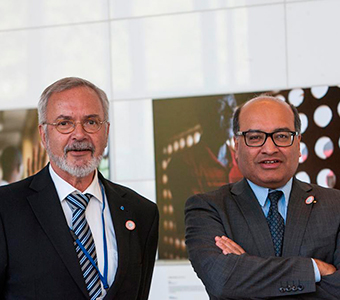
The recently published 2015 Aid Transparency Review concludes that the European Union is off track from meeting its aid transparency commitments. Europe’s two multilateral development banks are indicative of the altogether rather disappointing outcome.
In November 2014 CEE Bankwatch Network visited Jordan to explore issues surrounding the Red Sea – Dead Sea Conveyance project. The aim of the mission was to understand better the problems, concerns and hopes of local communities living along the route of the project, and identify the risks and benefits of the project through interviews with specialists having knowledge of its development.

